KNEE BRACES & SUPPORTS FOR CYCLING
3 products
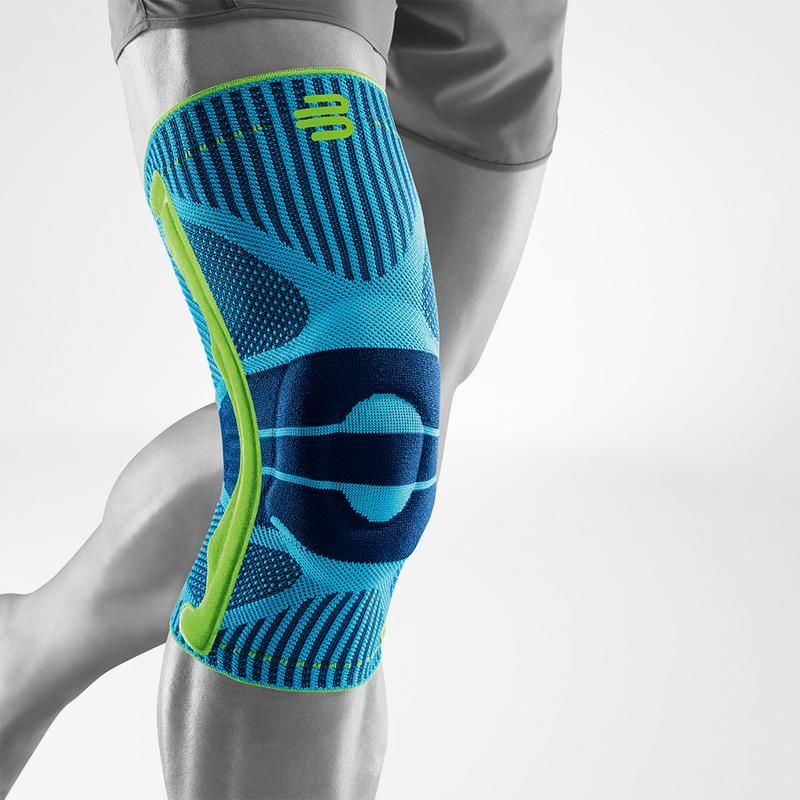
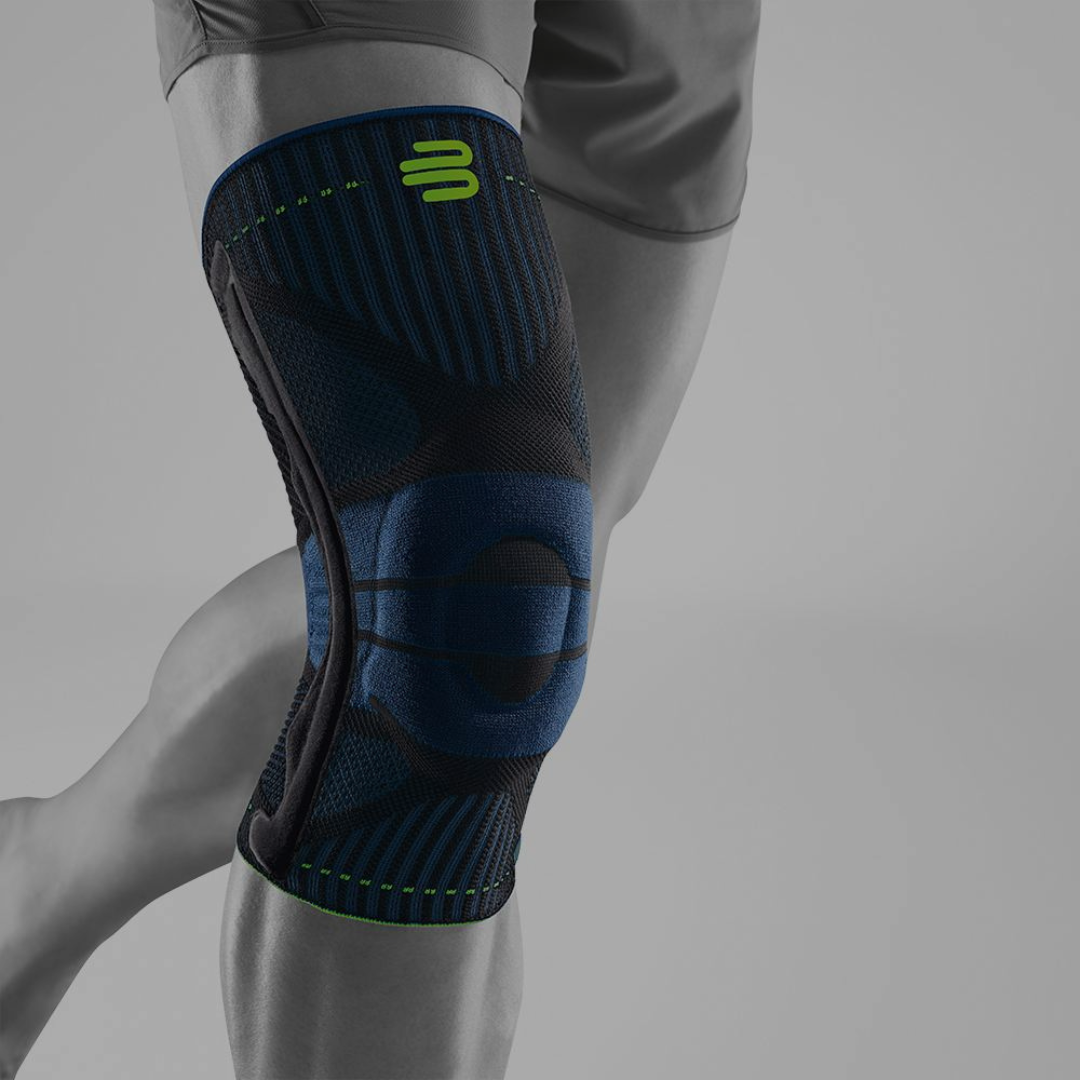
The best knee brace for sports - lightweight, comfortable, durable and washable.
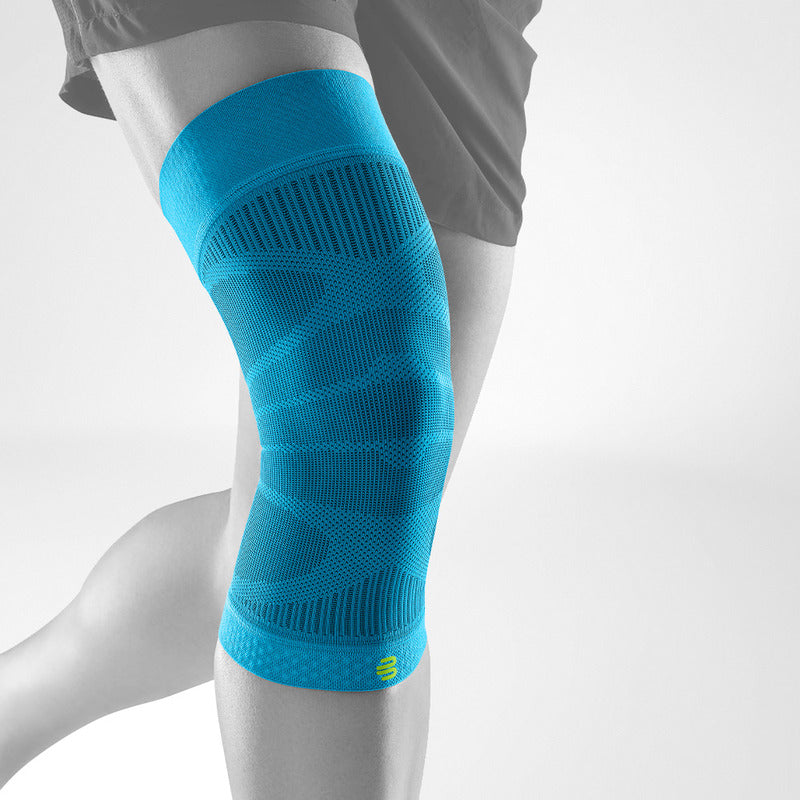
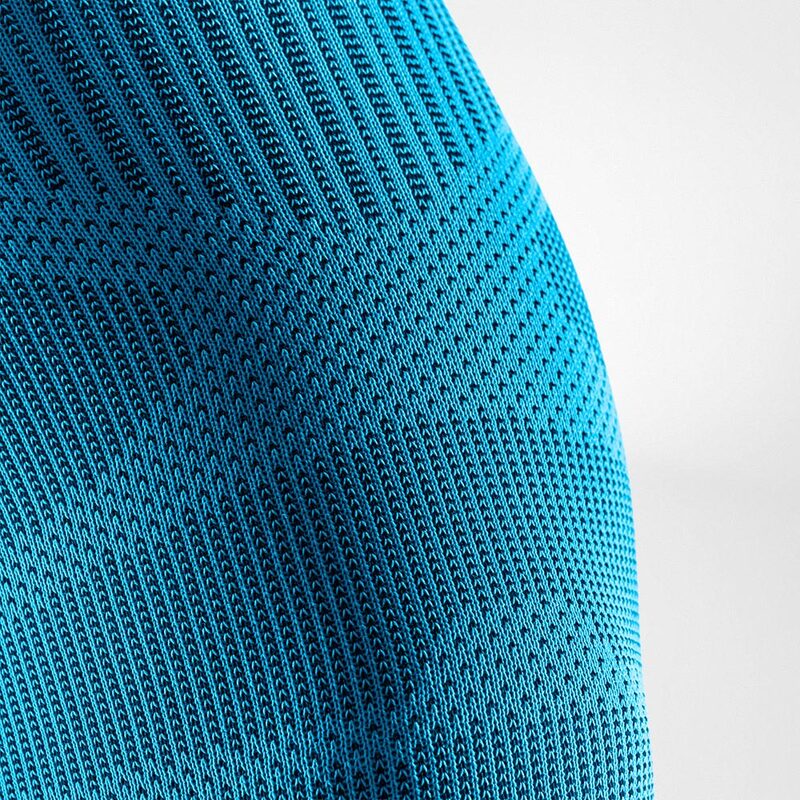
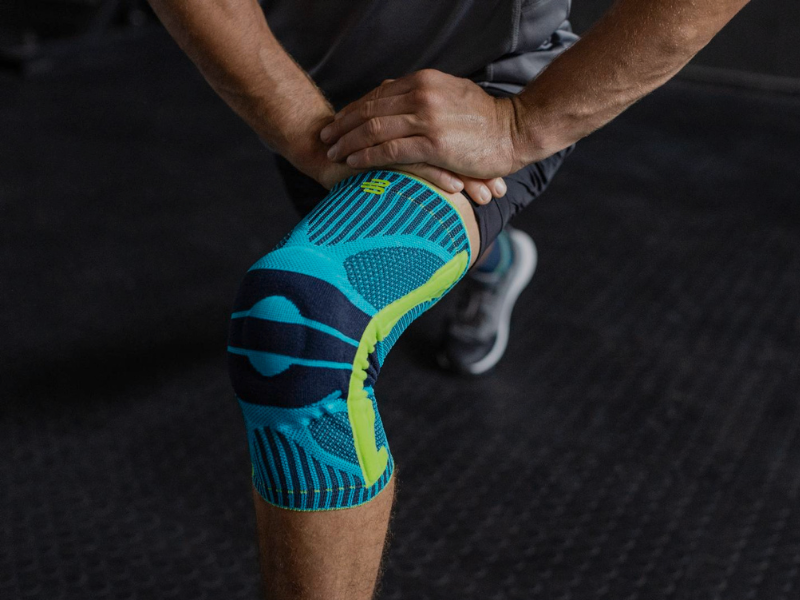
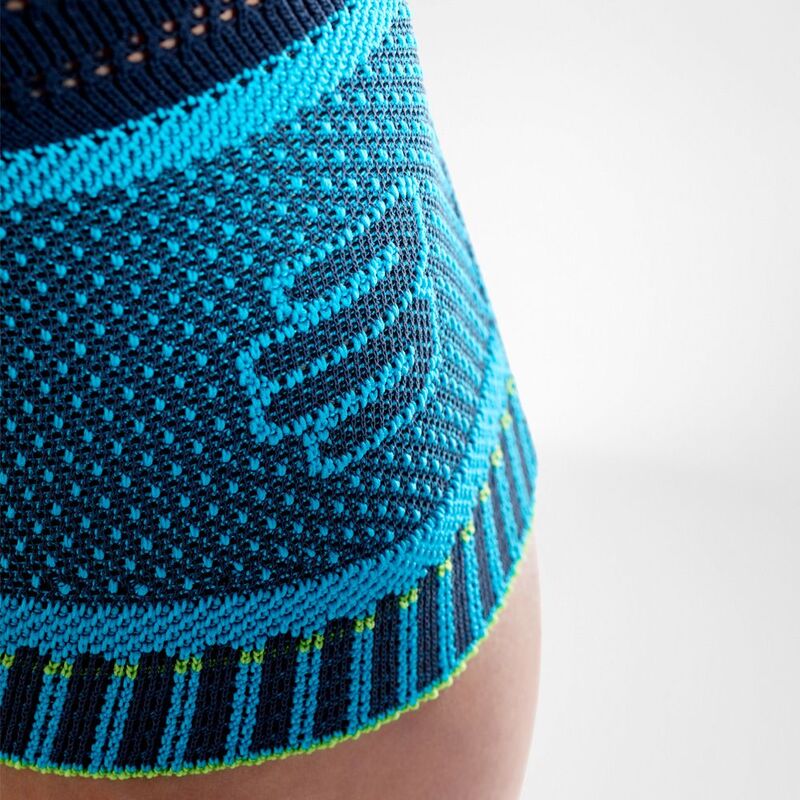
Compression knee sleeve for improved muscle control - lightweight, comfortable, durable and washable.
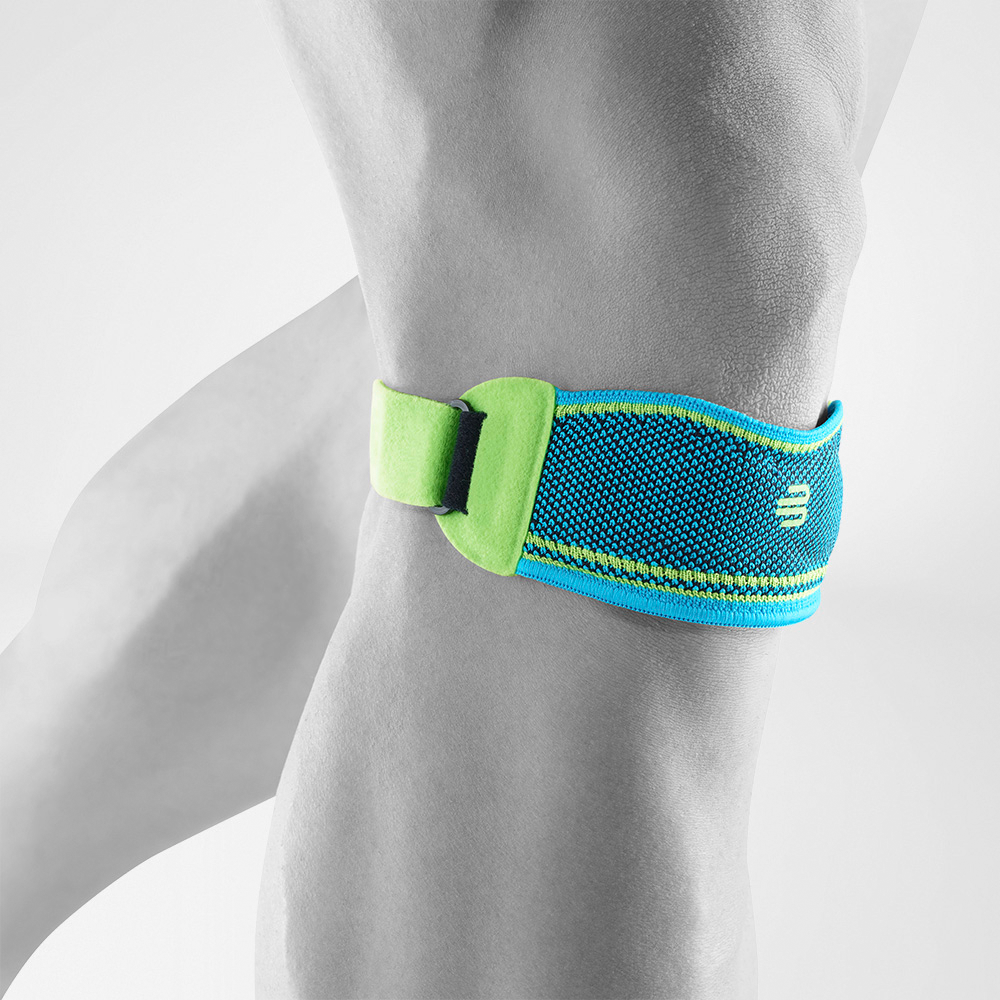
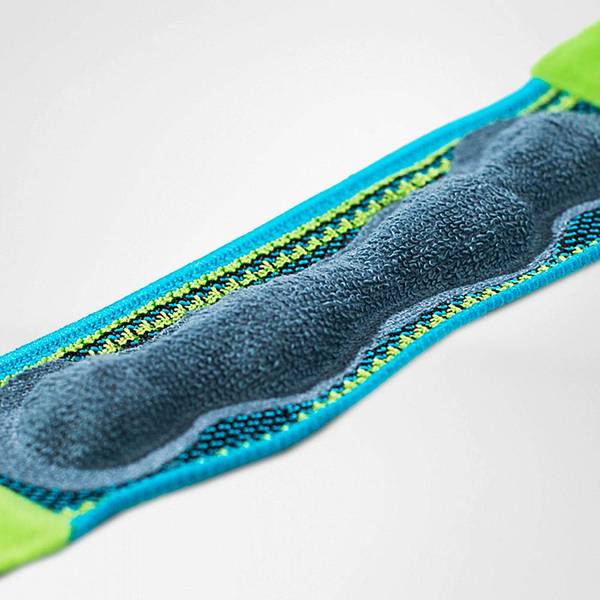
The best patella band for the knee - individually adjustable, lightweight, comfortable and durable.
A knee that aches by kilometer 40 usually isn't a sign you need to stop riding, it's a sign your knee needs better support. Every pedal stroke sends repetitive load through the joint, and that repetition is exactly what nagging pain, from patellar strain to general fatigue, feeds on. Bauerfeind Sports knee braces, sleeves, and straps combine German-engineered compression with targeted stabilization to support that stroke, whether you're riding to prevent discomfort or already managing pain that's shown up. Find the option below that matches how you actually ride.
Why Cyclists Wear Knee Support
Most cyclists reach for knee support for one of two reasons: to stay ahead of overuse pain, or to manage discomfort that has already set in. That first reason matters more than it might seem. Overuse knee joint pain affects roughly 50% of cyclists, which makes prevention worth taking seriously even before pain shows up.
A compression sleeve won't fix a bike that's set up wrong, but it reduces muscle vibration, keeps the joint warm, and supports proprioception, the body's sense of where the knee is in space, over the course of a long ride. Pairing it with compression sleeves built for recovery extends that support well past the ride itself. For cyclists already dealing with patellar strain or an old injury, a structured brace adds guided stability that a sleeve alone can't provide.
Compression Sleeve or Knee Brace: Which One Do You Need?
If you're riding pain-free and want to stay that way, a compression sleeve is usually the better starting point. If you already have knee pain, instability, or a history of injury, a structured brace with added support outperforms it.
| Product | Ideal for | Support level | Key feature |
|---|---|---|---|
| Sports Knee Strap | Patellar pain or instability | Targeted | Focused pressure on the tendon (Patella Pad) |
| Sports Compression Knee Sleeve 20-30 mmHg | Prevention, recovery | Light to moderate | Seamless 360° compression |
| Sports Knee Support | Knee pain, instability | Moderate to high | Anatomical Omega Pad |
For most riders without active pain, the compression sleeve is the safer default. Once pain or instability enters the picture, the added structure of the Sports Knee Support or the targeted pressure of the Sports Knee Strap does more of the work.
The Technology Behind Our Cycling Knee Support
Each product on this page relies on a specific technology, not a generic compression fabric, to do its job on the bike.


What Causes Knee Pain When Cycling?
Most knee pain in cycling traces back to the bike, not the rider. Saddle height, saddle setback, and cleat or foot alignment are the most common contributors to knee pain on the bike, since even small errors change how much the knee bends and how much load passes through the kneecap on every stroke. A saddle set too low overloads the front of the knee, while one set too high strains the back of the knee and the hamstrings. Pain in a specific spot, front, back, or to one side, is often a fit issue rather than a strength problem.
Bike Fit Comes First
A knee support can ease discomfort while you ride, but it won't correct an underlying fit problem. A professional bike fit, or at minimum a recheck of saddle height and cleat alignment, addresses the cause rather than just the symptom. Training load plays a role too: a widely used cycling guideline recommends keeping at least 75% of weekly ride time at an easy, conversational effort, which limits the repetitive high-strain pedaling most likely to aggravate a sensitive knee. Pairing a properly fitted bike with the right knee support, prevention or recovery, gives the joint its best shot at holding up over a full season.
Complete Protection for Every Part of Your Ride
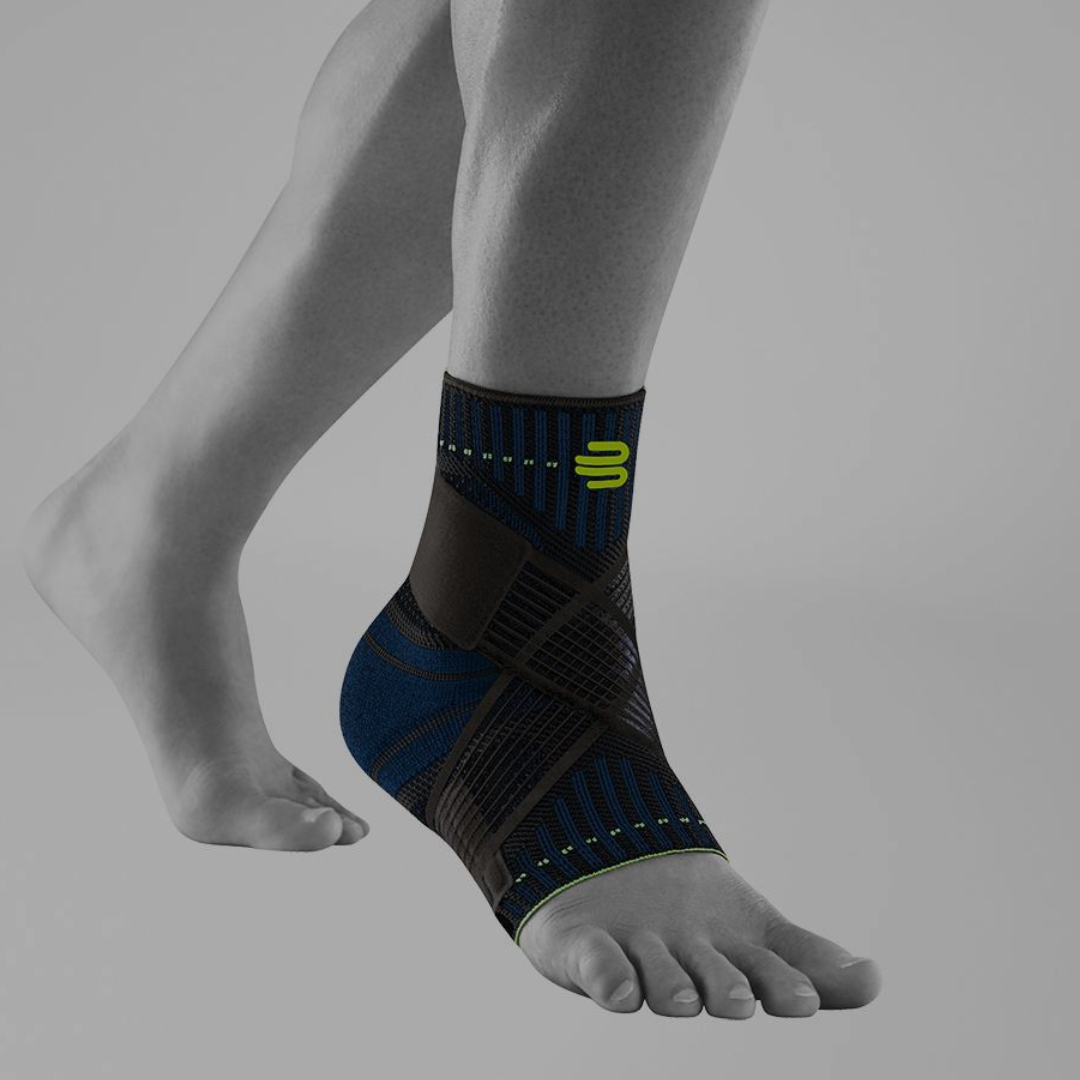
The knee isn't the only joint under repetitive load on a bike. Riders who feel instability through uneven terrain or long descents often pair their knee support with an ankle support for cycling, since a stable ankle changes how force travels up through the knee on every pedal stroke.
For recovery after long rides, compression socks for cycling complement a knee sleeve well: they support venous return in the calf, which indirectly reduces the fatigue that tends to build up around the knee over a multi-day tour. Before ordering, use our sizing guide to measure correctly, since a properly fitted support performs best from the first ride. Riders building out a fuller setup can browse the complete cycling gear lineup for everything above and below the knee.
FAQ
Is it good to wear knee support while cycling?
Yes, for most riders. A knee sleeve or brace reduces muscle vibration and supports proprioception on long rides, though it works best alongside a properly fitted bike rather than as a replacement for one.
What is the best knee support for cycling?
It depends on your knee, not just your ride. Cyclists without pain generally do well with a compression sleeve for prevention and recovery, while those managing existing pain or instability benefit more from a structured brace like the Sports Knee Support.
What is the 75% rule in cycling?
The 75% rule is a training guideline, not a knee-specific one: it recommends spending about three-quarters of weekly ride time at an easy, low-intensity effort. Keeping most training in that easy zone reduces the repetitive high-strain pedaling that tends to aggravate knee pain over a season.
How tight should a knee support be on the bike?
A properly fitted knee support should feel snug and secure without pinching, numbness, or restricted movement. If you notice tingling, discoloration, or the support digging in after the first few minutes, it's sized too small.
Can I wear a knee support for long-distance rides?
Yes. Bauerfeind Sports knee supports are built for extended wear, including century rides and multi-day tours. The breathable knit and grip technology are designed to stay in place and stay comfortable well beyond a short ride.
How do I choose the right size ?
To ensure optimal performance and comfort, it’s important to follow the product-specific measurement charts and instructions on each Bauerfeind Sports product page. Our products are anatomically designed and rely on precise measurements to guarantee the correct fit. The right size means optimal compression, stability, and freedom of movement — so your gear supports you exactly as it should.
How do I care for my knee support ?
Bauerfeind Sports Supports and Sleeves are machine washable. Use cold water on a gentle cycle with liquid detergent (no bleach or fabric softener). Lay flat to air dry; do not tumble dry or hang, as it can stretch the fabric. Regular washing helps maintain compression and performance.