CYCLING COMPRESSION SLEEVES
3 products
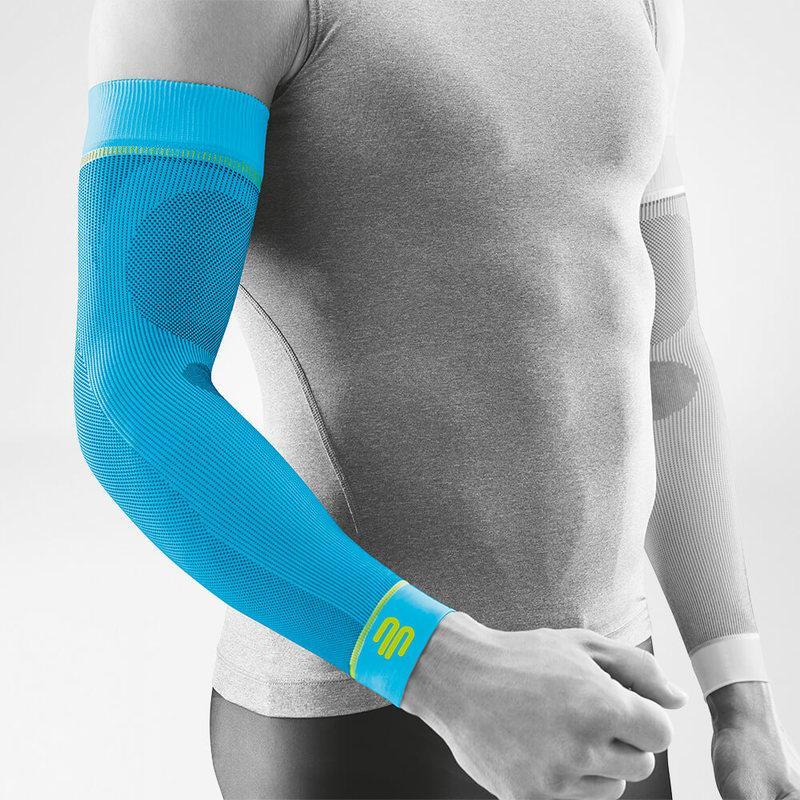
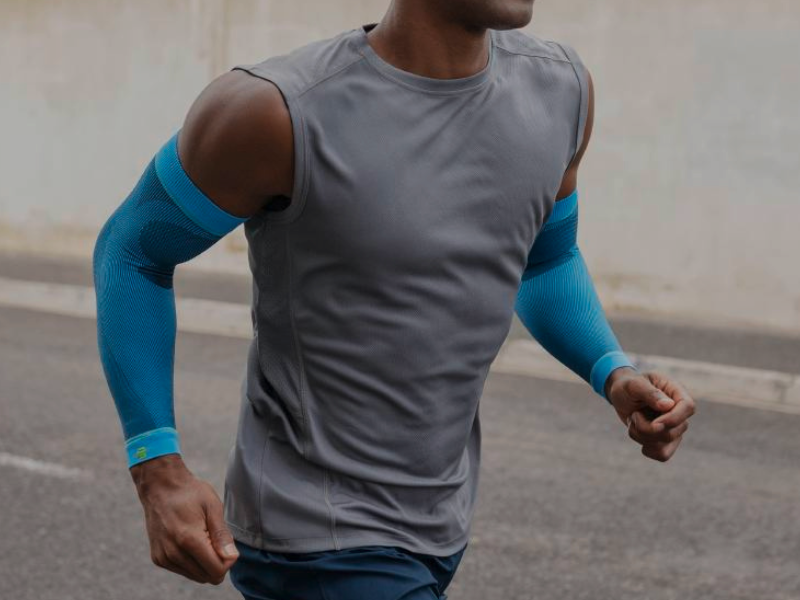
Compressive arm sleeves for improved muscle performance and recovery - lightweight, comfortable, durable and washable.
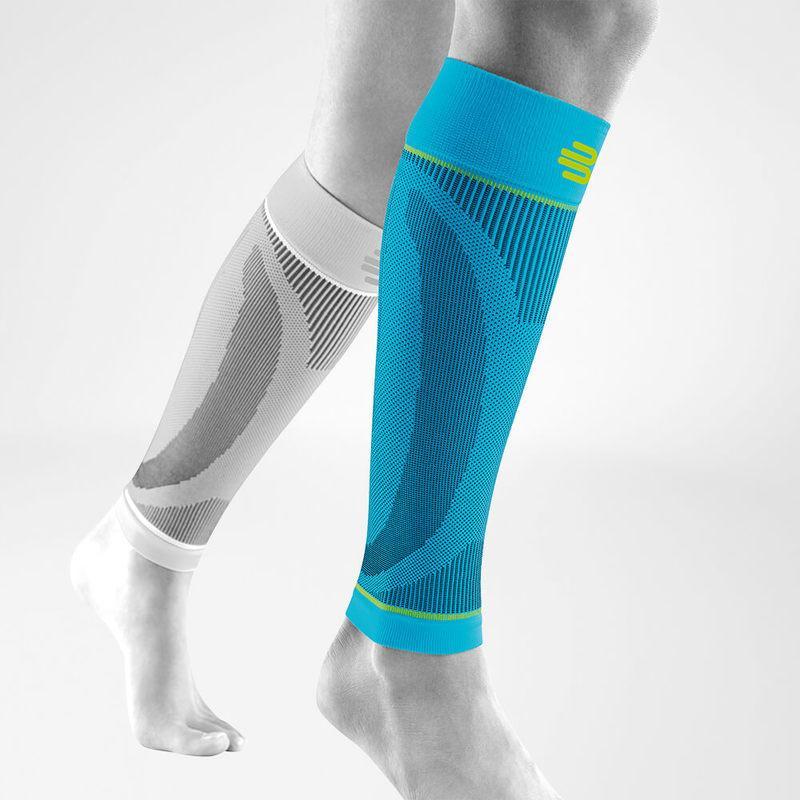
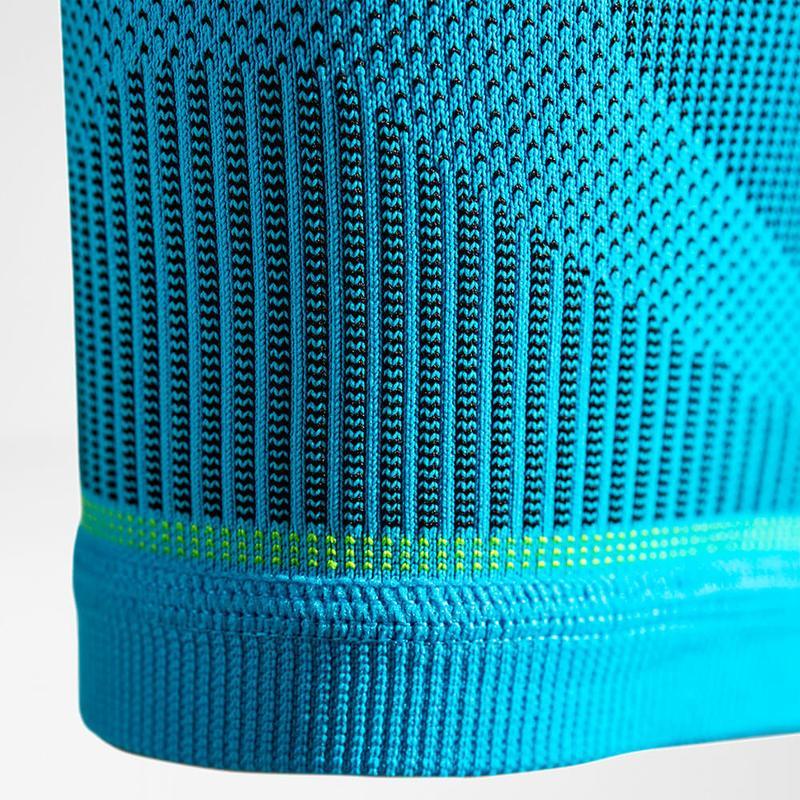
Compressive calf sleeves for improved muscle performance and recovery - lightweight, comfortable, durable and washable.
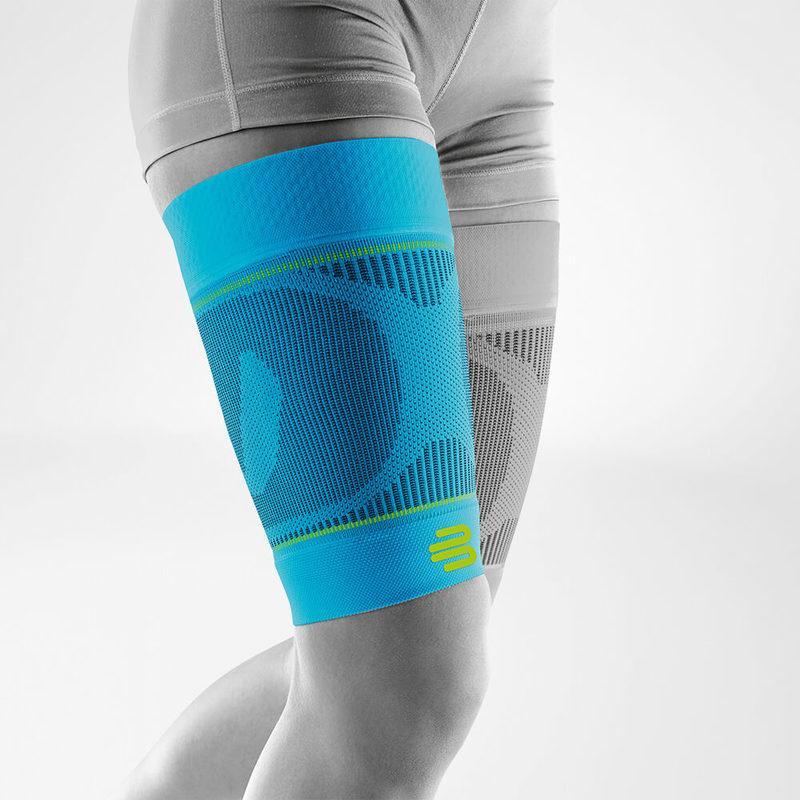
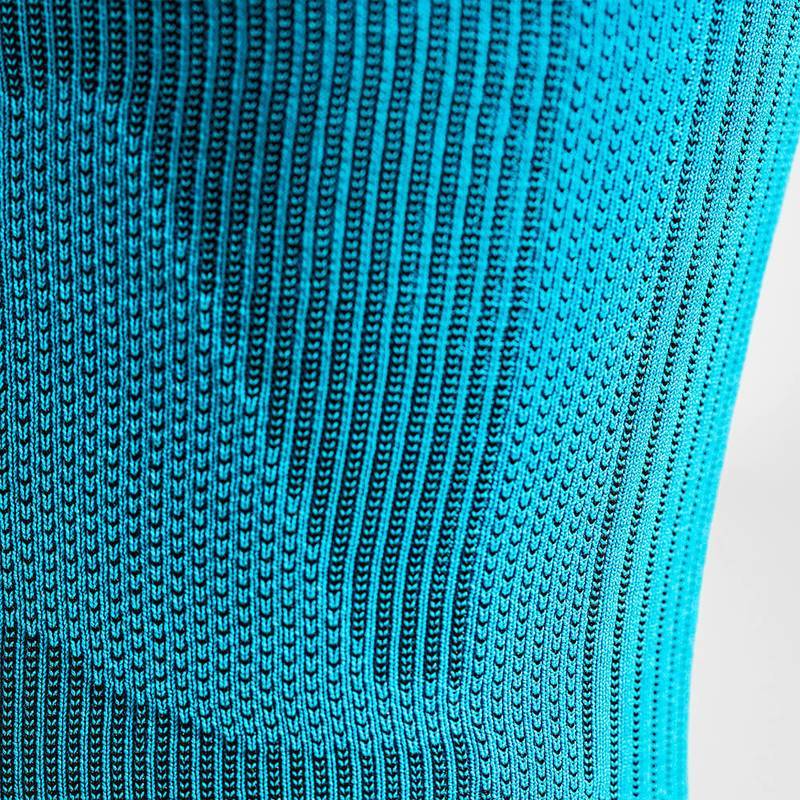
Compressive thigh sleeves for improved muscle performance and recovery - lightweight, comfortable, durable and washable.
Bauerfeind Sports cycling compression sleeves use graduated 20-30 mmHg compression to support circulation and speed up muscle recovery on the bike. Long rides put constant, low-level strain on the arms and legs, and that strain adds up over hours in the saddle. Whether you're grinding through a climb or logging steady kilometres on flat roads, a sleeve engineered to move with your muscles rather than against them makes a real difference.
Bauerfeind builds each sleeve in Germany from a light, breathable microfibre knit, then applies a compression gradient that decreases as it moves up the limb. These sleeves sit within Bauerfeind's full cycling lineup, alongside braces, supports and socks built around the same demands: long hours in the saddle, repetitive strain, and the need for gear that moves with the body instead of against it.
How Bauerfeind Cycling Compression Sleeves Support Circulation and Recovery
Compression works by applying steady, graduated pressure to the muscle, and the research on what that pressure actually does is more nuanced than most marketing admits. A 2021 systematic scoping review in Sports Medicine by Weakley et al. found that evidence for compression garments improving raw performance, like speed or power output, remains mixed and inconsistent across studies. Where the evidence is more consistent is in peripheral blood flow and proprioception, the body's sense of joint position and muscle engagement.
A related meta-analysis published in Sports Medicine confirmed that sports compression garments meaningfully enhance venous blood flow, both at rest and during recovery from exercise, which is the mechanism most directly tied to feeling less swollen and less heavy-legged after a long ride. Bauerfeind's graduated compression is designed around that same principle: steady pressure that supports blood moving back toward the heart, reducing the pooling that leads to swelling and next-day soreness.
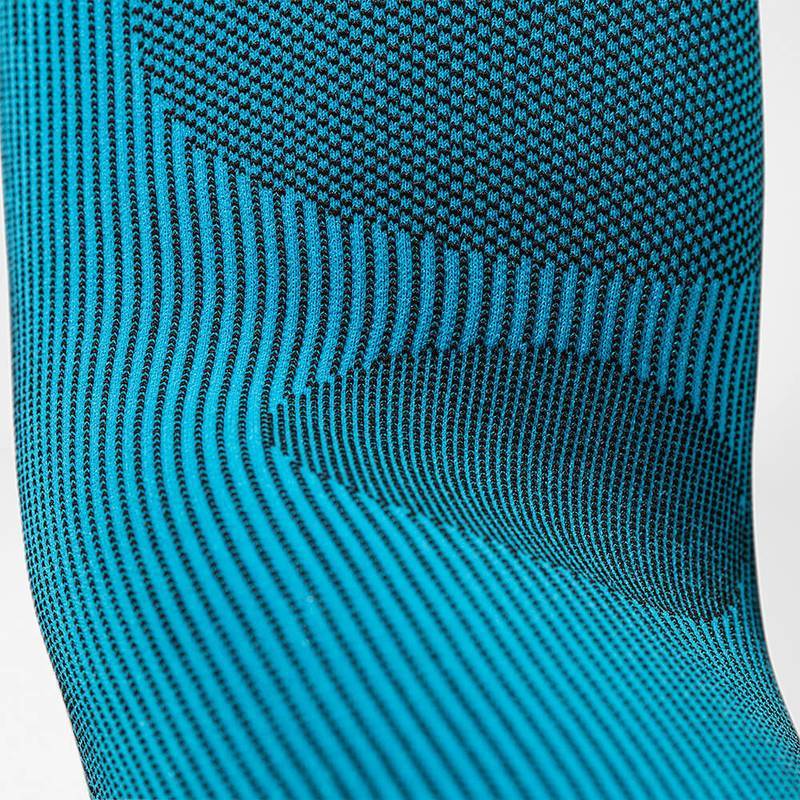
The gradient also reduces muscle vibration, the constant micro-shaking your leg and arm muscles absorb from road buzz and uneven surfaces. Less vibration means less accumulated fatigue by the end of a long ride. This engineering choice runs across Bauerfeind's full compression range, not just sleeves, combined here with 3D Airknit fabric that wicks sweat and regulates temperature so riders get compression support without overheating on hot rides.
The Technology Behind Every Sleeve
Two features do most of the work inside every Bauerfeind cycling sleeve: a taping system that targets the muscles under the most load, and a grip band that keeps the sleeve from sliding during hard efforts. Both are built into the arm, calf and thigh sleeves featured in this collection.


Choosing Between Arm, Calf, and Thigh Sleeves
The right sleeve depends on where you feel fatigue first and what kind of riding you do most. All three Bauerfeind sleeves share the same 20-30 mmHg graduated compression and 3D Airknit fabric, so the real decision comes down to zone and discipline.
| Sleeve | Zone | Compression | Technology |
|---|---|---|---|
| Sports Compression Arm Sleeves | Bicep and forearm | 20-30 mmHg | 3D Airknit, UPF 80 |
| Sports Compression Calf Sleeves | Lower leg | 20-30 mmHg | 3D Airknit, UPF 80 |
| Sports Compression Thigh Sleeves | Upper leg | 20-30 mmHg | 3D Airknit, UPF 80 |
Road cyclists doing long, exposed rides often reach for arm sleeves first, since they double as sun coverage on top of circulation support, thanks to the built-in UPF 80 protection. Mountain bikers and gravel riders tend to feel fatigue lower down, where uneven terrain amplifies muscle vibration, making calf sleeves the more practical choice for technical trails. Triathletes and long-course endurance riders frequently choose thigh sleeves, since quad and hamstring fatigue tends to build fastest over multi-hour efforts. If your priority is lower-leg recovery specifically, our guide to compression socks built for cycling covers the sock-versus-sleeve decision in more depth.
Sleeves are designed for muscle fatigue and circulation, not joint pain. If what's bothering you is the knee itself rather than the surrounding muscle, a knee support for cycling addresses that differently, and the same distinction applies lower down: persistent ankle discomfort calls for an ankle support for cycling rather than a compression sleeve.
When to Wear Compression Sleeves and When to Be Cautious
Most riders get the most benefit from wearing sleeves both during long rides and in the hours afterward, since the compression supports circulation through the effort itself and continues helping venous return once you're off the bike. There's no need to remove them the moment you finish riding. Many riders keep them on through the immediate recovery window, then take them off before sleep.
Compression sleeves aren't right for everyone, though. General medical guidance, including contraindications referenced in the Canadian Medical Association Journal, advises against compression therapy for people with advanced peripheral arterial disease, uncontrolled congestive heart failure, or open skin infections on the limb being covered. Reduced sensation from diabetes-related neuropathy is another situation that calls for extra caution. If you have a diagnosed circulation or cardiovascular condition, talk to your doctor before adding compression sleeves to your routine. For healthy riders without these conditions, cycling compression sleeves are considered safe for regular use.
FAQ
Do compression sleeves actually help with cycling performance and recovery?
The evidence is stronger for recovery than for raw performance. Research shows compression garments reliably improve venous blood flow and reduce the sense of heaviness after exercise, while their effect on speed or power output is inconsistent across studies. Most riders notice the benefit in how their legs feel the next day, not in a stopwatch.
When should you not wear compression sleeves?
Avoid compression sleeves if you have advanced peripheral arterial disease, uncontrolled heart failure, or an open wound or infection on the limb you'd be covering. People with diabetes-related nerve damage should also check with a doctor first, since reduced sensation can mask discomfort from a sleeve that's too tight.
Are compression sleeves allowed in competitive road cycling?
UCI technical regulations restrict clothing designed specifically to modify the rider's body for performance purposes, which has historically been interpreted to cover certain compression garments in sanctioned road races. Recreational and training use is unaffected. If you're racing under UCI rules, confirm the current-season regulations with your team or race organizer before an event.
Should I choose arm, calf, or thigh sleeves for cycling?
It depends on where you feel fatigue first. Arm sleeves suit road cyclists who want circulation support plus sun coverage, calf sleeves work well for mountain bikers dealing with vibration on technical terrain, and thigh sleeves are the common pick for triathletes and long-distance riders with quad fatigue.
How tight should cycling compression sleeves fit?
A properly fitted sleeve should feel snug and consistent along its length without pinching, numbness, or visible skin discoloration at the edges. If a sleeve leaves a deep indentation after removal or your fingers feel tingly while wearing it, size up.
How do I choose the right size ?
To ensure optimal performance and comfort, it’s important to follow the product-specific measurement charts and instructions on each Bauerfeind Sports product page. Our products are anatomically designed and rely on precise measurements to guarantee the correct fit. The right size means optimal compression, stability, and freedom of movement — so your gear supports you exactly as it should.
How do I care for my compression sleeves ?
Bauerfeind Sports Compression Sleeves and Socks are machine washable. Use cold water on a gentle cycle with liquid detergent (no bleach or fabric softener). Lay flat to air dry; do not tumble dry or hang, as it can stretch the fabric. Regular washing helps maintain compression and performance.