SOCCER KNEE SUPPORT
3 products
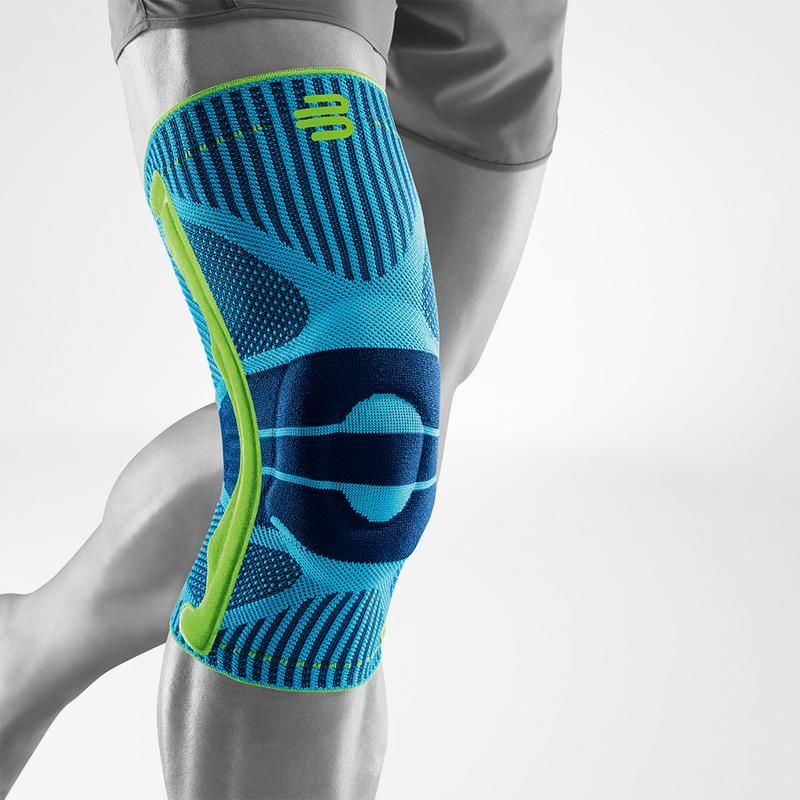
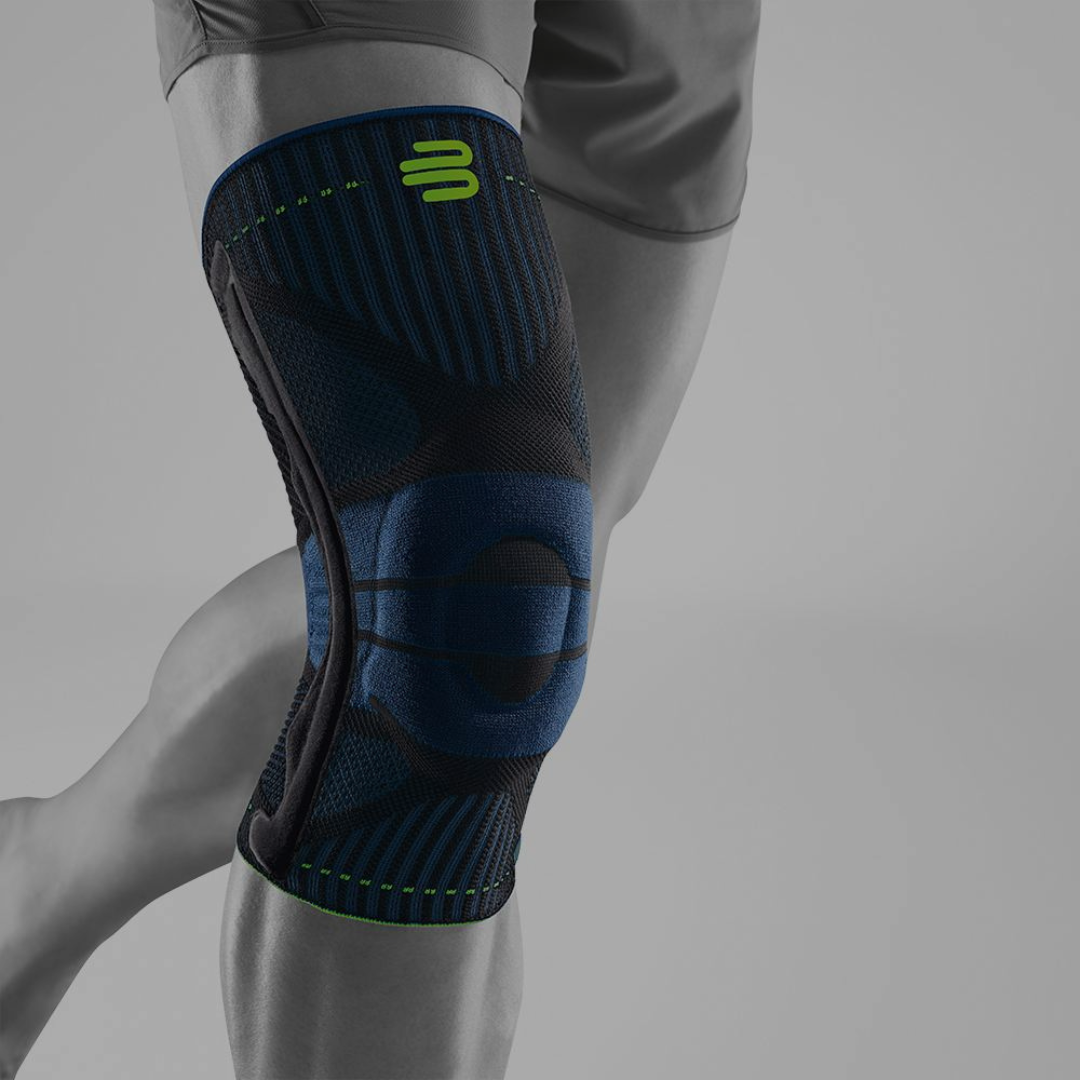
The best knee brace for sports - lightweight, comfortable, durable and washable.
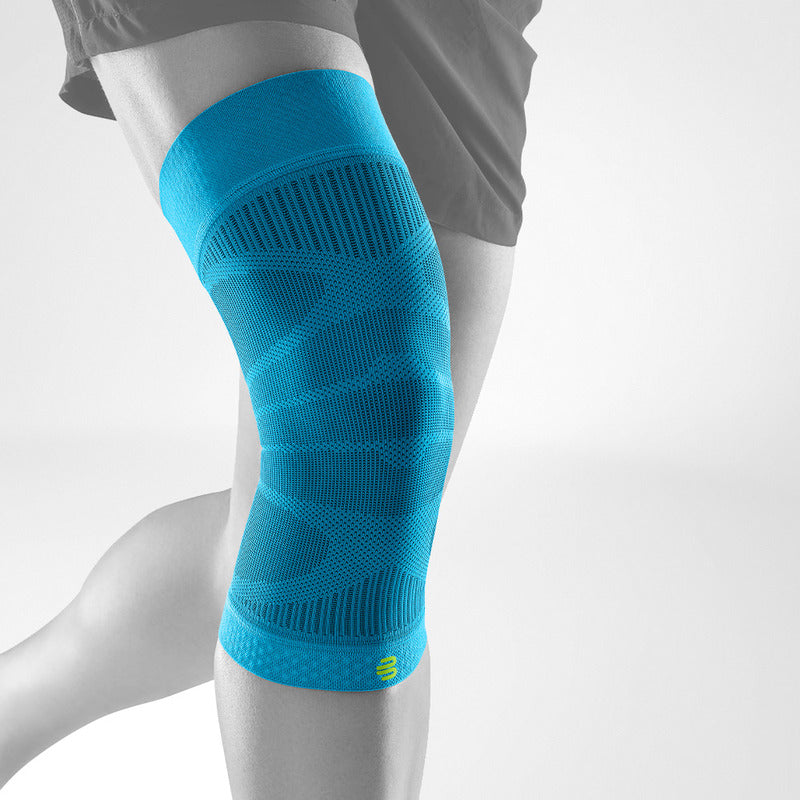
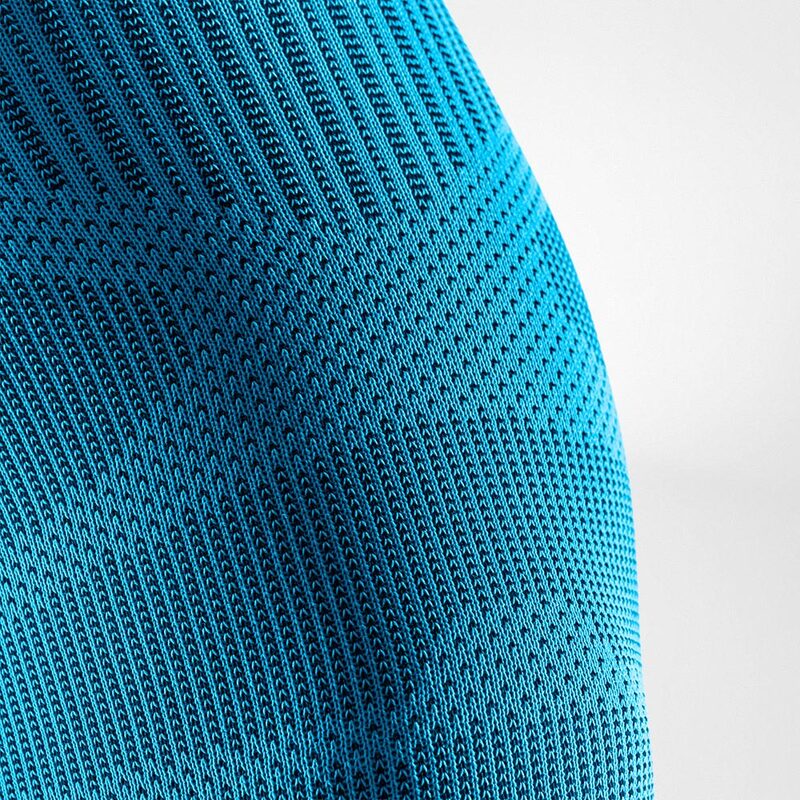
Compression knee sleeve for improved muscle control - lightweight, comfortable, durable and washable.
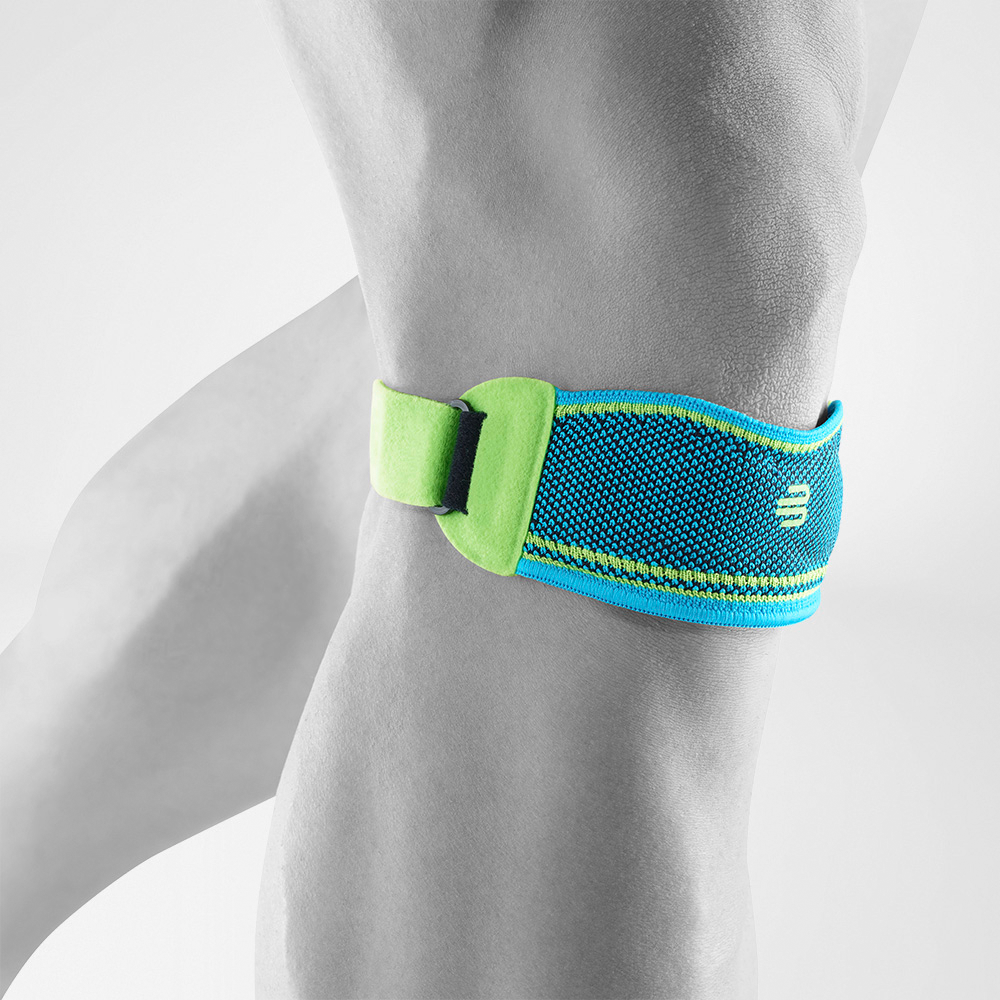
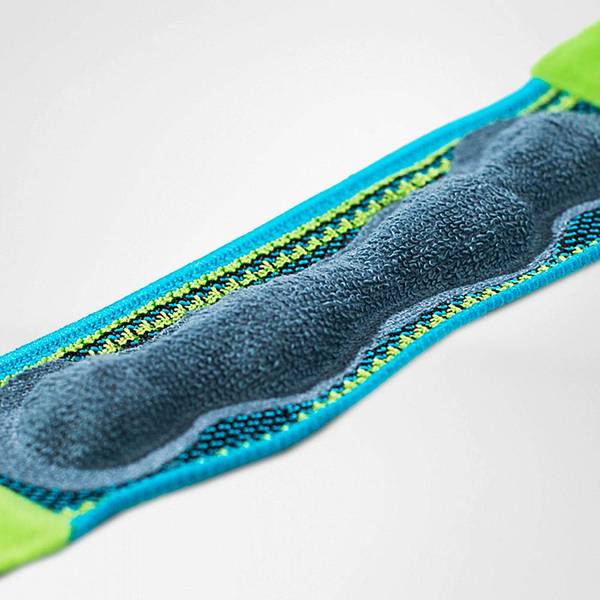
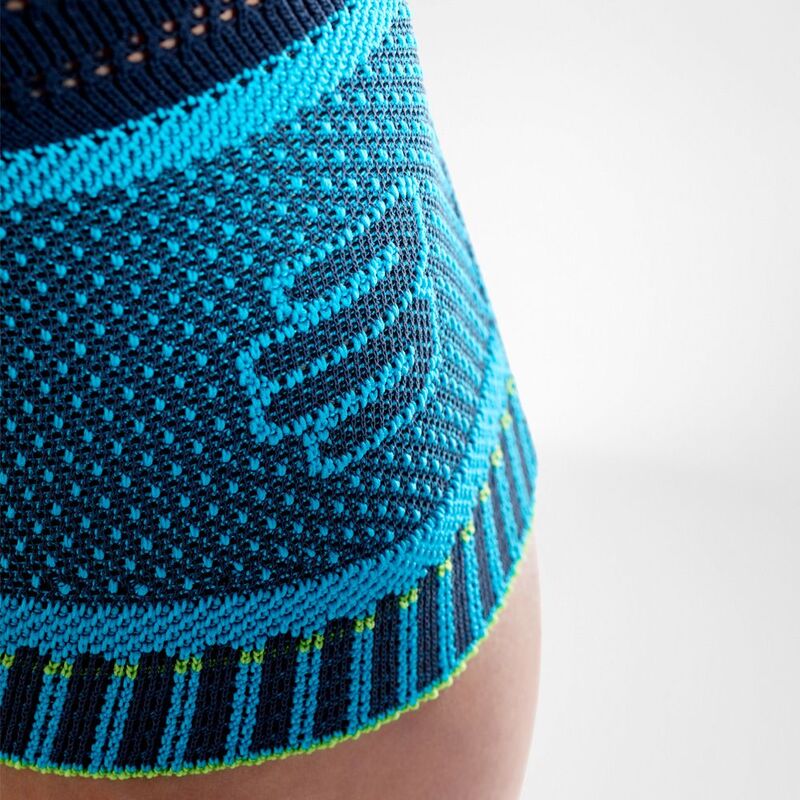
The best patella band for the knee - individually adjustable, lightweight, comfortable and durable.
The right soccer knee support combines compression with a fit that holds up through 90 minutes of sprinting, cutting, and contact. Soccer places repeated, high-force demands on the knee joint, and even players without a prior injury benefit from targeted compression during matches and training. This collection features Bauerfeind's Sports Line knee braces and sleeves, engineered in Germany and built specifically for the demands of the pitch. Explore the full range of Bauerfeind Sports gear for soccer to protect your ankles and legs alongside your knees.
Why Wear Knee Support When Playing Soccer
Soccer is one of the sports most associated with knee injuries, and the knee is the joint most commonly hurt on the pitch. A review of soccer injury research found that anterior cruciate ligament (ACL) tears occur at a rate of roughly 1.7 per 10,000 athlete exposures, with the risk noticeably higher among female players than male players. That risk comes from the sport's core movements: sudden direction changes, deceleration, and contact during tackles all load the knee joint in ways that can strain ligaments and tendons over a season.
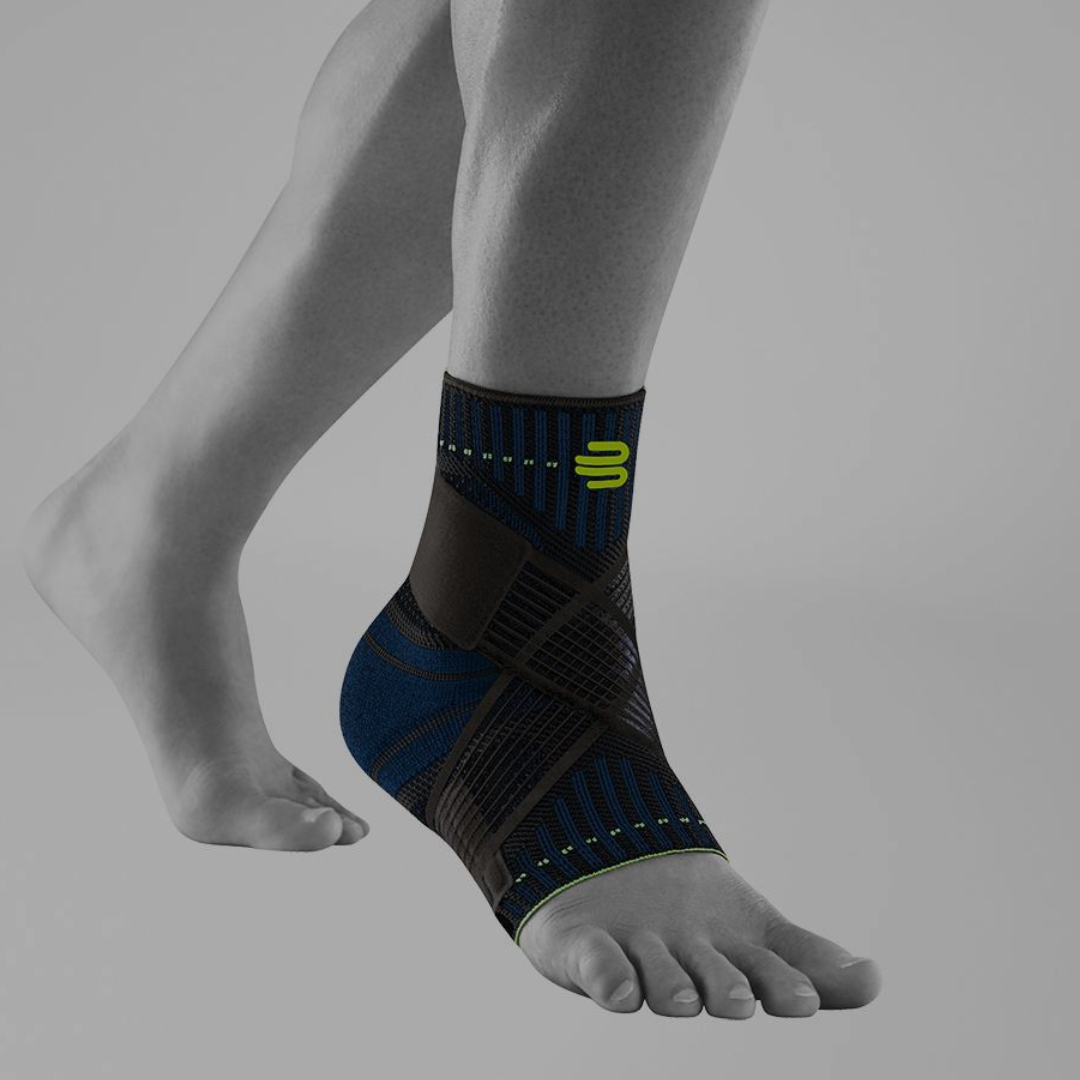
Wearing knee support doesn't eliminate that risk, but it adds a layer of stability and proprioceptive feedback that helps the joint react faster to those movements. Bauerfeind's Sports Line uses medical-grade 20-30 mmHg compression, the same pressure range used in clinical compression therapy, to improve circulation and reduce muscle vibration during play. It's not just the knee that's exposed on turf: sprains and rolled ankles are just as common, which is why many players pair their knee support with dedicated ankle support for soccer.
Choosing the Right Type of Knee Support for Your Injury
The right knee support depends on whether you're preventing an injury or managing one you already have. A sleeve and a structured support serve different purposes, and picking the wrong one either under-protects the joint or restricts movement you don't need to give up.
| Criterion | Sports Compression Knee Sleeve | Sports Knee Support | Sports Knee Strap |
|---|---|---|---|
| Compression | 20-30 mmHg, seamless knit | Targeted compression + anatomical Omega Pad | Focused pressure on the patellar tendon |
| Best for | Prevention, players with no current injury | Mild to moderate instability, patellar discomfort | Localized kneecap pain, like jumper's knee |
| Recommended profile | Everyday training and match-day prevention | Return to play after strain or ongoing sensitivity | Minimalist support without added bulk |
Knee Sleeves for Everyday Prevention
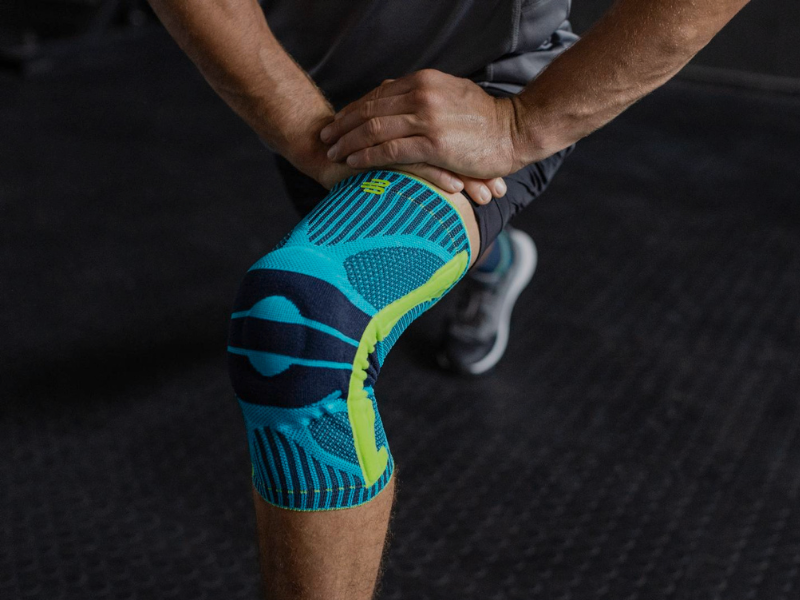
The Sports Compression Knee Sleeve wraps the joint in seamless 20-30 mmHg compression, activating the surrounding muscles without adding bulk. That targeted pressure improves blood flow and knee proprioception, translating into faster reaction times on quick direction changes. For players managing no current injury but wanting a preventive edge through a full season, this is the lowest-profile option that still delivers clinical-grade support.
Knee Support for Stability and Recovery
The Sports Knee Support adds an anatomical Omega Pad around the kneecap, distributing pressure evenly and guiding the patella's natural movement. That structure gives the joint more active guidance than a sleeve alone, which matters most for players returning from strains, mild instability, or recurring soreness after matches. The breathable AirKnit fabric keeps it light enough to wear through a full 90 minutes without restricting your stride.
Knee Straps for Targeted Tendon Relief
The Sports Knee Strap takes a narrower approach, applying focused pressure just below the kneecap to relieve tension on the patellar tendon. It's the right call for players dealing specifically with jumper's knee or tendon irritation rather than general joint instability, since it doesn't compress the whole joint the way a sleeve or support does. Minimalist and low-profile, it's built for players who want targeted relief without extra bulk under their shorts.
The Technology Behind Every Bauerfeind Sports Knee Product
Every Sports Knee Support, Compression Knee Sleeve, and Knee Strap in this collection shares the same three core technologies, each solving a specific problem soccer creates for the knee: slipping during sprints, overheating over 90 minutes, and pressure that isn't distributed where you actually need it.


Common Soccer Knee Injuries and How Compression Helps
The Canadian Academy of Sport and Exercise Medicine highlights ACL tears as among the most consequential knee injuries in young athletes, citing long recovery timelines and elevated long-term joint health risks. Most soccer knee injuries fall into a handful of recognizable categories:
- ACL tears: a ligament injury typically from cutting, pivoting, or contact, with the longest recovery timeline of the four
- Meniscus tears: cartilage damage from twisting the knee under load
- Patellofemoral pain syndrome: overuse pain around the kneecap, common with repeated sprinting
- Osgood-Schlatter: pain below the kneecap linked to growth-plate stress, most common in younger players
Compression supports the joint through all of these without replacing medical treatment. For an active, uninjured player, consistent compression during training reduces the muscle fatigue and joint instability that make these injuries more likely. This information isn't a substitute for a diagnosis: if you're managing knee pain or a suspected ligament injury, consult a physiotherapist or sports medicine physician before returning to play.
Wearing Knee Support During Matches
Yes, soccer players can wear knee support during official matches, as long as the equipment meets the safety standards set by the sport's rulebook. Under Law 4 of the Laws of the Game, published by the International Football Association Board (IFAB), knee protectors made of soft, lightweight padded material are explicitly permitted, provided they aren't dangerous to the wearer or other players.
That means a compression sleeve or a padded knee support like the ones in this collection is generally allowed without issue. Braces with exposed metal hinges or hard, unpadded parts are more likely to draw scrutiny during the mandatory pre-match equipment check, since the rule is built around player safety rather than performance. If your support has rigid components, confirm with your league or referee before kickoff, as local competitions can apply additional restrictions.
Find Your Fit
The right soccer knee support only works if it fits correctly, so measure your knee against our sizing guide before you order. If tired calves or shin fatigue are part of your match-day routine too, pairing your knee support with our soccer compression socks rounds out your lower-leg protection for a full 90 minutes. Try any Sports Line product risk-free: if it's not the right fit, our 30-day money-back guarantee has you covered.
FAQ
Do I need a knee brace if I've never had a knee injury?
You don't need a rigid brace, but a compression sleeve is a reasonable preventive step for regular players. Soccer's sprinting and directional changes put repeated stress on the knee even without a specific injury, and compression can reduce that cumulative fatigue over a season.
What's the difference between a knee sleeve and a knee brace?
A knee sleeve provides uniform compression around the joint for prevention and mild support, while a knee support adds structural elements like an anatomical pad to guide the kneecap. The right choice depends on whether you're preventing an issue or actively managing one.
Can I wear a knee support during official matches?
Yes. Soft, padded knee supports are permitted under Law 4 of the IFAB Laws of the Game, provided they contain no exposed hard or sharp parts that could injure another player. Braces with rigid hinges may need referee approval before the match.
Does wearing a knee support slow you down on the field?
A properly sized, lightweight support shouldn't restrict your speed or range of motion. Bauerfeind's AirKnit fabric is designed to move with the joint, built specifically for sport rather than adapted from a medical brace.
How much compression should soccer knee support provide?
Medical-grade compression in the 20-30 mmHg range is generally used to improve circulation and reduce muscle vibration during activity. Lower compression levels suit all-day comfort better than performance support during a match.
Should I size up or down if I'm between sizes?
When in doubt, sizing down usually provides more effective compression, as long as it doesn't restrict circulation or movement. Measure at the point specified in the sizing guide for the most accurate fit before choosing between two sizes.
How do I choose the right size ?
To ensure optimal performance and comfort, it’s important to follow the product-specific measurement charts and instructions on each Bauerfeind Sports product page. Our products are anatomically designed and rely on precise measurements to guarantee the correct fit. The right size means optimal compression, stability, and freedom of movement — so your gear supports you exactly as it should.
How do I care for my knee support ?
Bauerfeind Sports Supports and Sleeves are machine washable. Use cold water on a gentle cycle with liquid detergent (with no bleach or fabric softener). Lay flat to air dry; do not tumble dry or hang, as it can stretch the fabric. Regular washing helps maintain compression and performance.