SOCCER ANKLE SUPPORTS
4 products
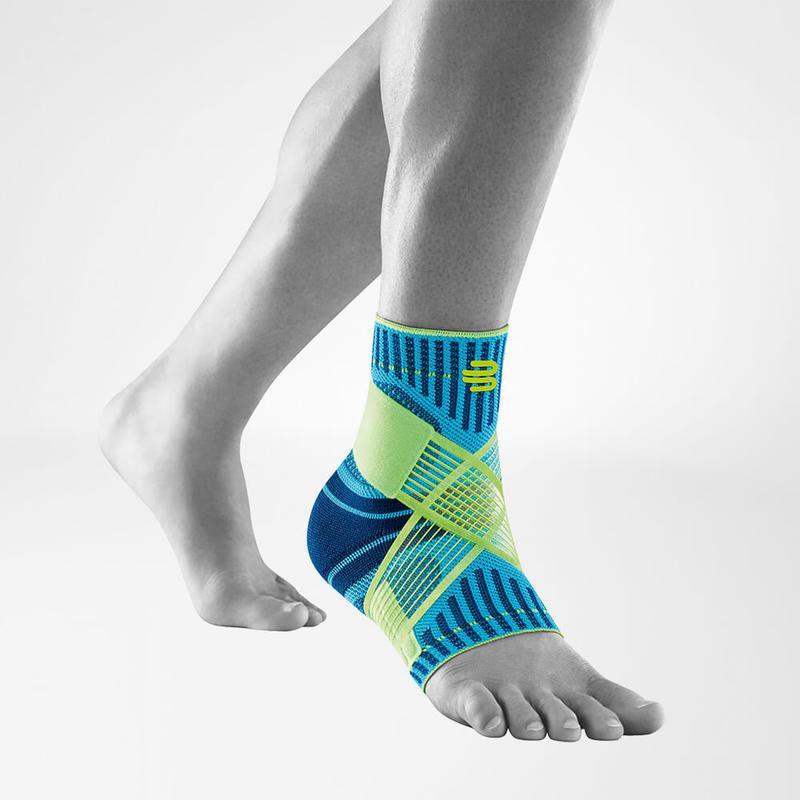
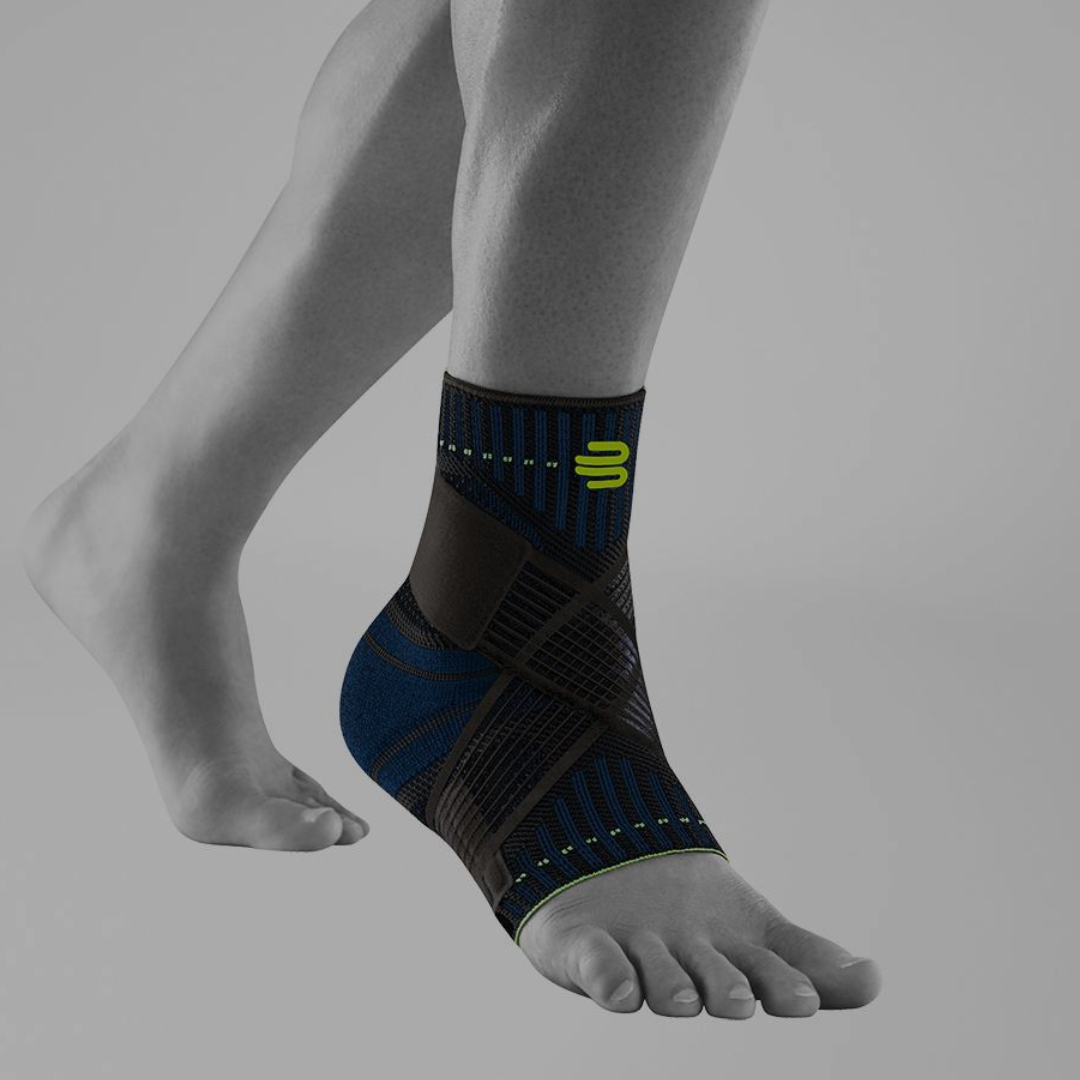
The best ankle brace for sports - lightweight, comfortable, durable and washable.
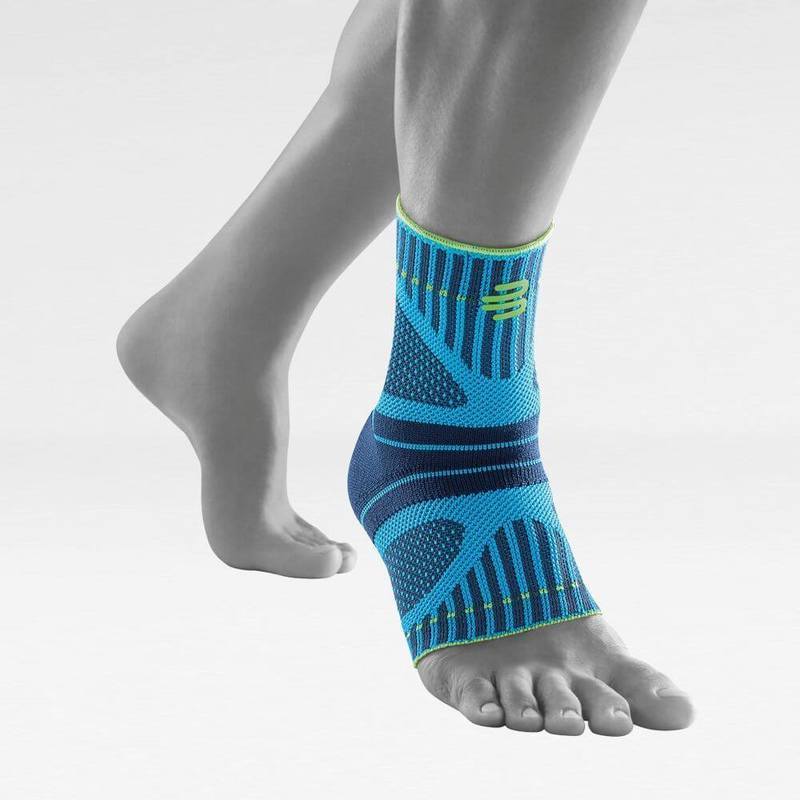
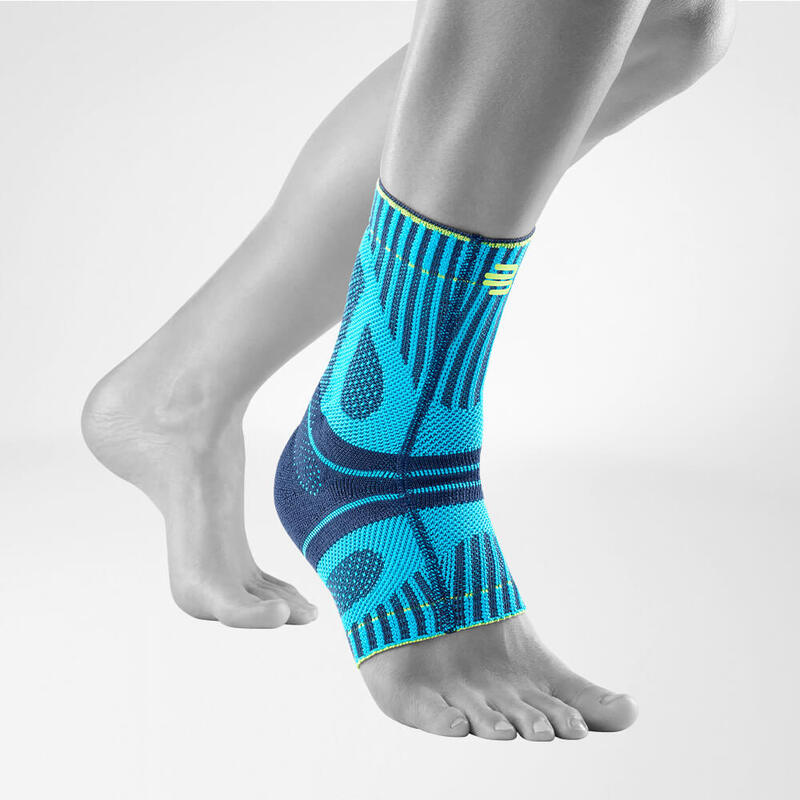
Compressive ankle support for improved mobility and reduced strain - lightweight, comfortable, durable and washable.
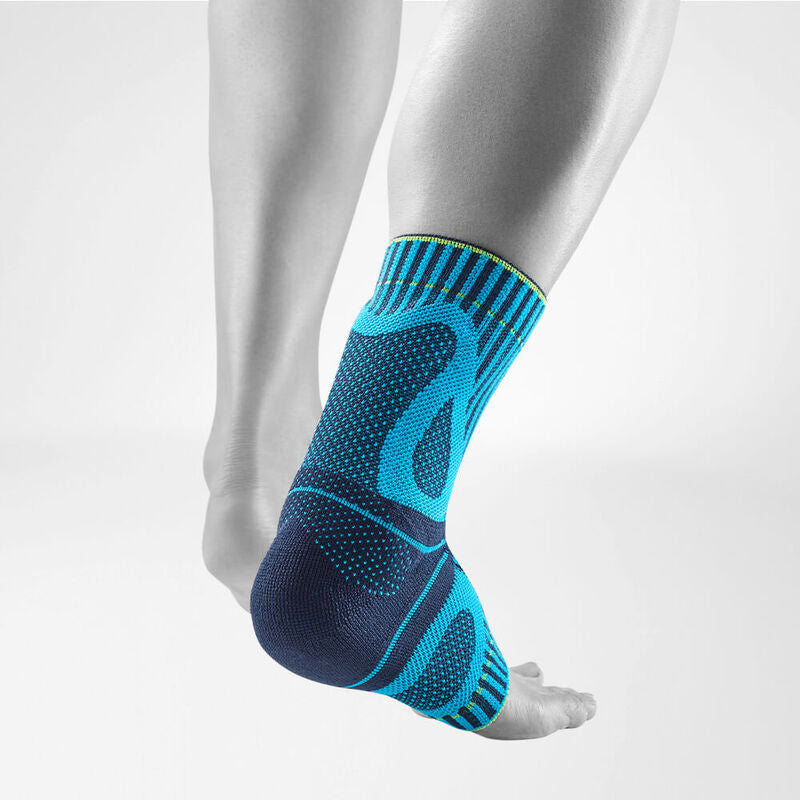
Don't let it stop you! With our brand new Achilles tendon support Sports Achilles Support, you get reliable protection for...
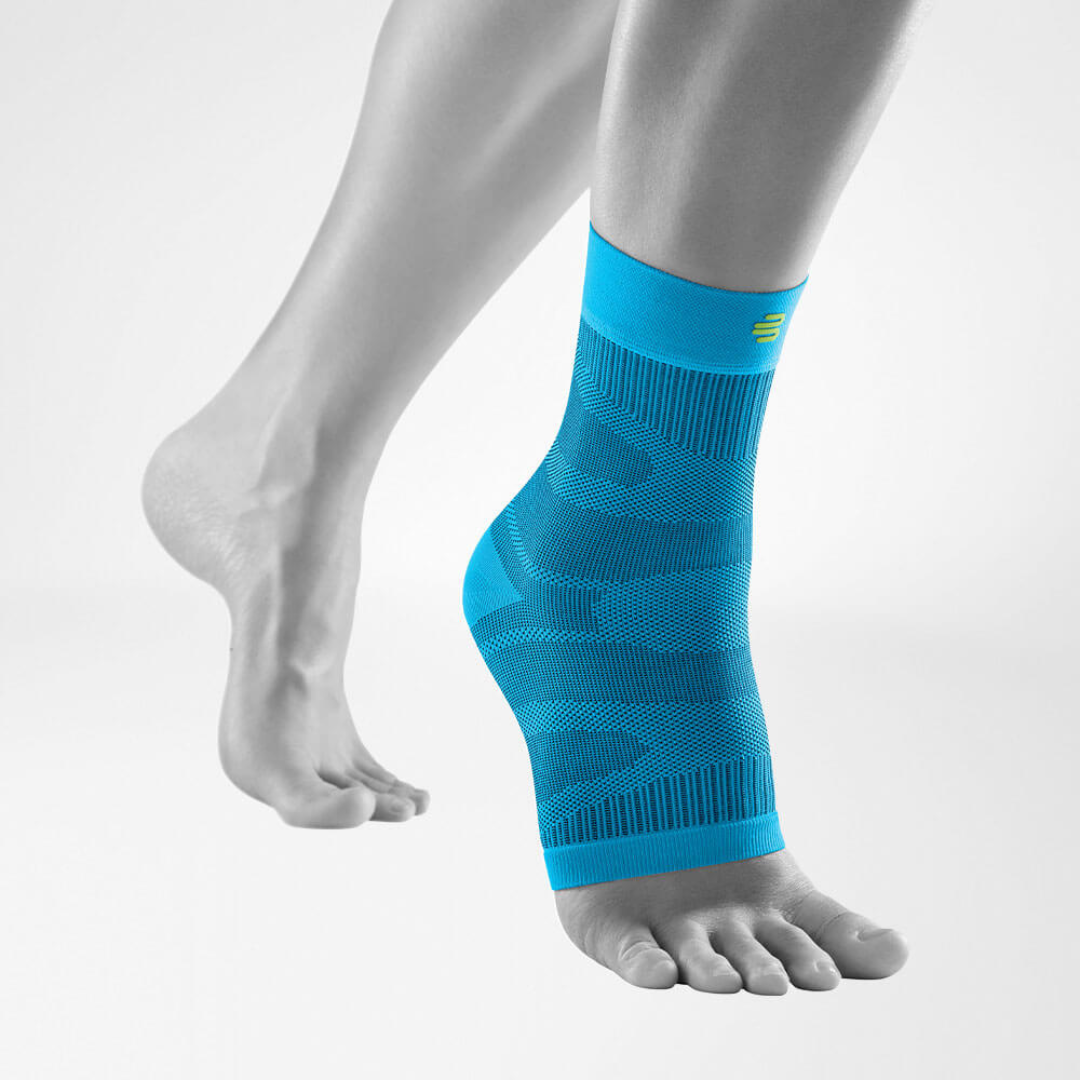
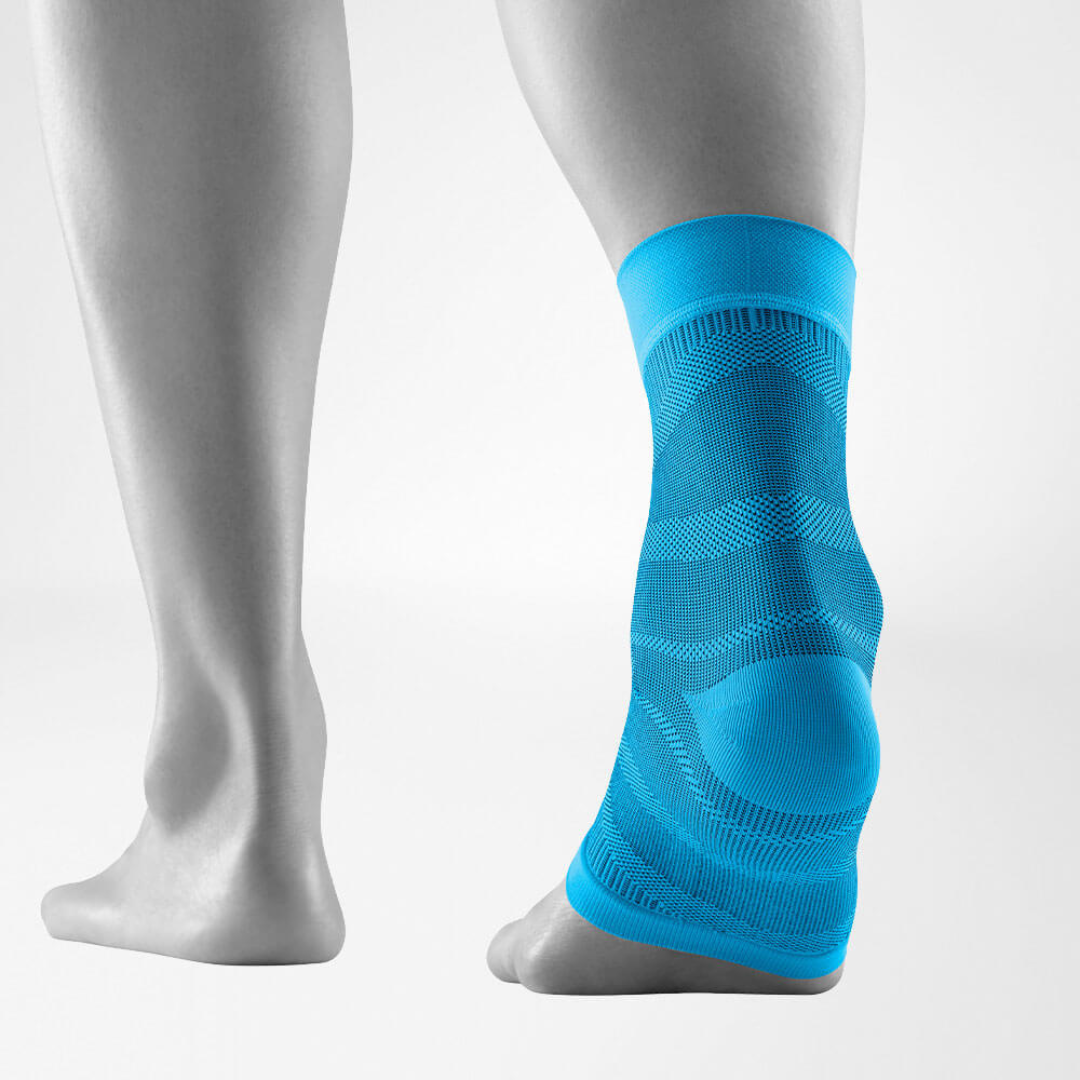
Compressive ankle sleeve for improved muscle control - lightweight, comfortable, durable and washable
The right ankle support for soccer depends on one question: are you protecting a healthy joint, or recovering from a sprain? Soccer's constant cuts, sprints, and contact put more stress on the ankle than almost any other team sport, and the wrong product can restrict your game without actually protecting you. This guide breaks down how graduated compression, structural support, and cleat compatibility work together, so that you can match the right level of support to your ankle instead of guessing.
Why the Ankle Is Soccer's Most Common Injury
Soccer puts the ankle at more risk than almost any other joint on the field. A 2025 systematic review found that competitive soccer produces between 13 and 35 injuries per 1,000 hours of play, and that roughly 77% of soccer-related ankle injuries are ligament sprains (Source: MDPI Sports, 2025). Most of these are lateral sprains: the ligaments on the outside of the ankle, most often the anterior talofibular ligament, stretch or tear when the foot rolls inward during a tackle, a sudden stop, or an awkward landing.
Roughly half of these injuries happen through direct contact with another player, while the rest come from non-contact mechanisms like cutting, pressing, or landing off-balance (Source: PMC, Buckthorpe et al., 2025). Once the ankle has been sprained once, the joint becomes structurally more vulnerable, which is why re-injury is so common at every level of the sport, from weekend leagues to elite competition.
Structured warm-up programs can meaningfully reduce injury rates, but for many players, added ankle support for soccer is what closes the gap between a good warm-up routine and real confidence on the ball. It's one reason we built a full range of soccer support gear around the joints that carry the most repeated stress during a match.
Understanding mmHg Compression for Ankle Support
mmHg is the unit that measures how much pressure a compression garment applies to the ankle, and it's the single most useful spec for comparing products. Graduated compression in the 20-30 mmHg range assists the natural pumping action of the calf muscles, helping blood move back toward the heart instead of pooling around the joint. A 2023 study measuring sports compression garments on athletes recorded pressures around 29 mmHg at the calf, within the range associated with measurable improvements in venous return and muscle blood flow (Source: PMC, 2023).
What 20-30 mmHg Compression Does for Soccer Players
For soccer specifically, that pressure translates into two practical benefits: reduced swelling after a match, and better proprioception, your body's sense of where the joint is positioned during fast, unpredictable movement. Players who want that same graduated pressure extended further up the leg often pair their ankle support with compression socks for soccer, which apply the same 20-30 mmHg principle from the ankle through the calf.
Prevention or Recovery: Which Ankle Support Do You Need?
The right ankle support depends on your ankle's history, not just your position on the field. A healthy ankle needs light, breathable compression that reinforces natural movement, while a joint recovering from a sprain needs added structural stability to limit the rolling motion that caused the injury in the first place. Use the guide below to match your situation to the right product before you buy.
| Products | Sports Compression Ankle Sleeve | Sports Ankle Support Dynamic | Sports Ankle Support | Sports Achilles Support |
|---|---|---|---|---|
| Best for | Healthy ankles, everyday prevention | Active players who want mobility and muscle activation | Recovering from a sprain or managing instability | Achilles tightness alongside ankle support |
| Compression level | 20-30 mmHg | Compressive knit | Compressive knit | Compressive knit |
| Structural support | None, pure compression | Light, no strap | Figure-8 taping strap | Achilles pad, no ankle strap |
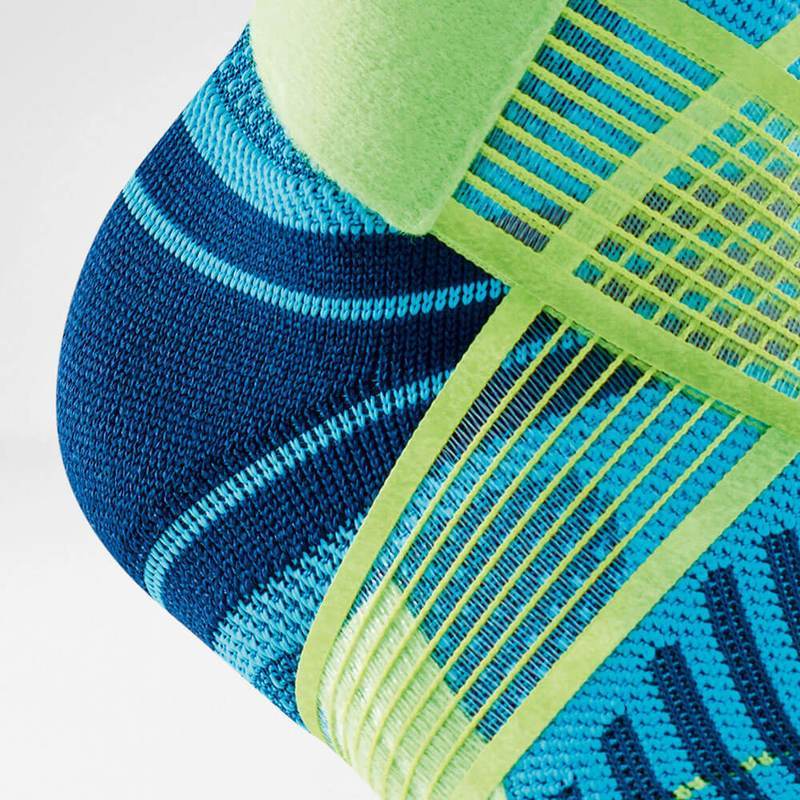
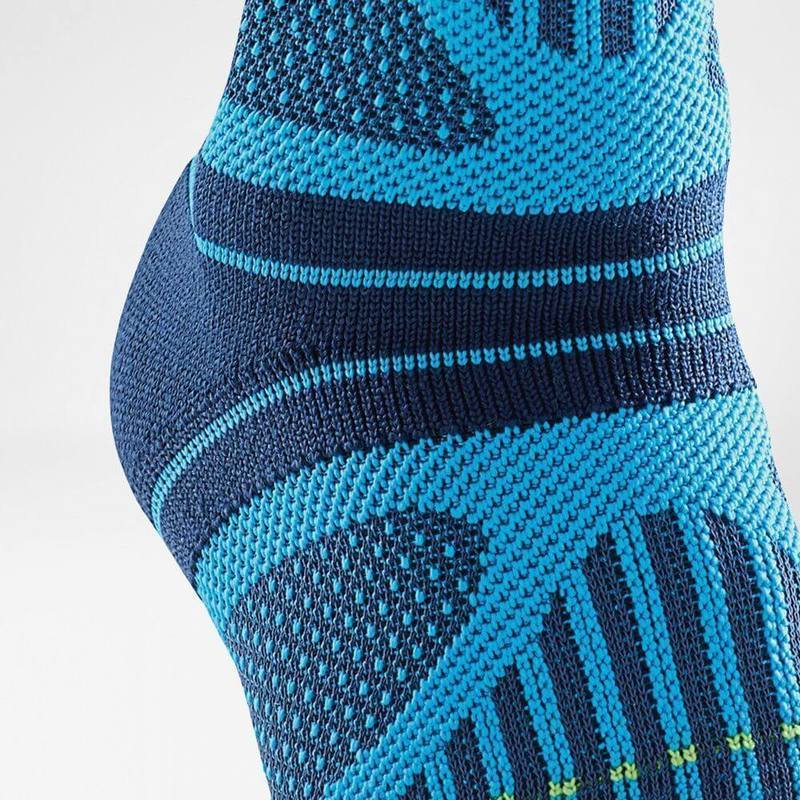
| Key technology | Seamless Compression Technology | 3D Airknit Technology | Taping Technology + 3D Airknit Technology | Achilles Pad + 3D Airknit Technology |
| Fit profile | Lowest profile, seamless | Low profile, airy mesh | Slightly more structured, still cleat-compatible | Low profile, targeted at the heel/tendon area |
Our take: if your ankle has no injury history, start with the Sports Compression Ankle Sleeve, it's the lowest-commitment option for everyday circulation and proprioception. If you're actively training and want more muscle activation without a strap, the Sports Ankle Support Dynamic is the step up. If you've had a recent sprain or your ankle feels unstable during play, the Sports Ankle Support with its taping strap offers the most structural stabilization. Players managing Achilles tightness alongside any of the above can add the Sports Achilles Support for targeted relief.
If you're coming back from a sprain specifically, timing matters as much as the product. Recovery should always be confirmed by a healthcare or sports medicine professional, but evidence-based guidelines describe a phased return that typically spans several weeks to a few months: controlling inflammation first, then restoring mobility and strength, then rebuilding neuromuscular control before a full return to competitive play (Source: PMC, Vuurberg et al.). Because compensating for a weak ankle often shifts stress onto the knee during that window, many players also look at knee support for soccer to protect against secondary strain while they work back to full fitness.
The Technologies Built Into Our Soccer Ankle Support
This collection combines four purpose-built technologies rather than relying on compression alone. Each one addresses a specific demand of soccer: lateral cuts, sudden stops, contact, and 90 minutes of sustained movement inside a tight-fitting cleat.


Find Your Soccer Ankle Support
Whether you're protecting a healthy ankle or working your way back from a sprain, the right support should match where you are, not a generic "one size fits all" claim. Explore the rest of our soccer support gear to build a setup that covers the joints under the most pressure on the pitch.
FAQ
Can I wear ankle support while playing soccer?
Yes. Soccer's constant direction changes and contact make it one of the sports where ankle support is most commonly recommended, whether for prevention or after a sprain.
What's the difference between a compression sleeve and an ankle brace?
A compression sleeve applies graduated pressure for circulation and mild support, while a brace adds structural elements like straps or a closure system to physically limit the ankle's range of motion.
Will ankle support fit inside my soccer cleats?
A properly fitted, low-profile design should fit inside standard cleats without requiring you to loosen your laces or size up.
Should I wear ankle support if I haven't been injured?
Many players do, especially those with a history of sprains or naturally less stable ankles. Light compression can support circulation and joint awareness without limiting performance.
How tight should ankle support be during a game?
It should feel secure without restricting circulation. You should be able to fit a finger between the support and your skin comfortably.
How long after an ankle sprain can I return to soccer?
Timelines vary by severity and should be confirmed with a healthcare professional, but phased recovery protocols generally span several weeks to a few months before a full competitive return.
What does 20-30 mmHg compression mean for ankle support?
It's the pressure level shown to support venous return and joint awareness in athletic populations, the same range used on the Sports Compression Ankle Sleeve in this collection.
How do I choose the right size ?
To ensure optimal performance and comfort, it’s important to follow the product-specific measurement charts and instructions on each Bauerfeind Sports product page. Our products are anatomically designed and rely on precise measurements to guarantee the correct fit. The right size means optimal compression, stability, and freedom of movement — so your gear supports you exactly as it should.
How do I care for my ankle support ?
Bauerfeind Sports Supports and Sleeves are machine washable. Use cold water on a gentle cycle with liquid detergent (no bleach or fabric softener). Lay flat to air dry; do not tumble dry or hang the garment, as this can stretch the fabric. Regular washing helps maintain compression and performance.