


Running injuries rarely happen because of one bad run.
More often, they develop gradually. A slightly too-long stride here. A skipped recovery day there. A few weeks of pushing through fatigue because you don't want to miss a workout. Individually, these decisions may seem insignificant. Together, they can create the perfect conditions for pain, frustration, and lost training time.
The challenge is that many common running mistakes don't feel like mistakes at first. In fact, some of them can look like dedication. Running through soreness. Adding extra mileage. Skipping rest days. Training harder when progress stalls.
But the runners who stay healthy year after year usually aren't the ones who train the hardest. They're the ones who train the smartest.
Whether you're preparing for your first 5K or building toward a marathon personal best, understanding the most common running mistakes can help you improve performance, reduce injury risk, and enjoy more consistent training.
Key Takeaways
- Most common running mistakes are correctable. Overstriding, poor recovery, and increasing mileage too quickly are responsible for many running-related injuries.
- Running injuries often develop silently over weeks or months before symptoms appear.
- Strengthening your hips, glutes, calves, and core can significantly reduce your risk of common overuse injuries.
- Small improvements in recovery, form, and training habits often produce bigger long-term gains than adding more mileage.
- Supportive tools such as compression socks, insoles, and joint supports can complement a smart training plan when used appropriately.
Mistake #1: Ignoring Recovery Between Runs

Many runners think fitness is built during workouts.
In reality, workouts only create the stimulus. Recovery is where the actual adaptation happens.
Every run places stress on your muscles, tendons, joints, and nervous system. During recovery, your body repairs damaged tissue, replenishes energy stores, and prepares for future training. When recovery is inadequate, that process becomes incomplete.
The result?
You may notice:
- Heavy legs during easy runs
- Persistent soreness
- Poor sleep quality
- Reduced motivation
- Slower recovery between workouts
- Increased injury risk
One of the biggest mistakes runners make is treating recovery as something they earn after training rather than a critical part of the training plan itself.babaubbb
How to Fix It
Improve Sleep Quality
If you only focus on one recovery habit, make it sleep.
Most muscle repair, hormone regulation, and nervous system recovery occurs while you sleep. Aim for 7–9 hours per night, especially during higher-volume training blocks.
Simple improvements include:
- Going to bed at the same time each night
- Limiting screen exposure before bed
- Keeping your room cool and dark
- Avoiding caffeine late in the day
Schedule Recovery Days
Many runners plan workouts but never plan recovery.
Your schedule should include:
- Easy runs
- Recovery runs
- Mobility sessions
- Full rest days
These lower-intensity days allow your body to absorb training rather than simply accumulate fatigue.
Prioritize Nutrition and Hydration
Recovery begins the moment a run ends.
Consuming carbohydrates helps restore glycogen stores, while protein supports muscle repair. Hydration is equally important, especially after long runs or hot-weather training.
Even mild dehydration can affect recovery quality and performance in subsequent sessions.
Use Recovery Tools Strategically
Recovery tools won't replace sleep or nutrition, but they can help support the process.
Many runners use:
- Foam rolling
- Walking
- Light cycling
- Massage
- Mobility work
- Compression garments
For runners who often experience heavy legs after long runs, Bauerfeind compression running socks offer medical-grade graduated compression designed to promote blood circulation and recovery between training sessions, without restricting movement.
The goal isn’t to recover faster so you can train more intensely the next day. The goal is to recover well enough to be able to train consistently for months, or even years.
Mistake #2: Running With Poor Posture

As fatigue builds, running form often begins to break down.
One of the most common running form errors is poor posture.
You might notice yourself:
- Looking down at the ground
- Rounding your shoulders
- Leaning excessively from the waist
- Tensing your neck and upper back
These changes may seem minor, but they can have a significant impact on performance.
Poor posture reduces breathing efficiency, increases muscular tension, and makes running less economical. Over time, it can also contribute to discomfort in the neck, shoulders, hips, and lower back.
How to Fix It
Perform Regular Form Checks
Every few minutes during a run, ask yourself:
- Are my shoulders relaxed?
- Am I looking ahead?
- Is my torso tall?
- Are my arms swinging naturally?
These quick check-ins can prevent gradual form breakdown.
Mistake #3: Skipping Strength Training

Many runners assume that running itself is enough to build the strength they need.
While running does strengthen certain muscles, it doesn't address many of the weaknesses that contribute to injury and inefficient movement. In fact, some of the most common running injuries are linked to deficits in strength and stability rather than a lack of cardiovascular fitness.
Think about it this way: running is essentially a series of single-leg hops. Every step requires your body to absorb force, stabilize joints, and produce power. If one link in that chain is weak, other structures often compensate.
How to Fix It
Build Strength Where Runners Need It Most Your glutes help stabilize the pelvis and control knee alignment, your calves absorb and release force with every step, and single-leg stability helps you maintain efficient movement as fatigue sets in. When these areas are underdeveloped, other joints and tissues often compensate, increasing the risk of injury.
You don't need to become a powerlifter. Aim for two strength sessions per week that focus on key running muscles. Exercises such as split squats, step-ups, calf raises, single-leg deadlifts, reverse lunges, and balance drills can improve stability, running economy, and injury resilience while helping you handle higher training volumes more effectively
Use Support During Higher-Volume Training
If you're returning from injury or increasing mileage significantly, additional support can sometimes help bridge the gap while strength catches up.
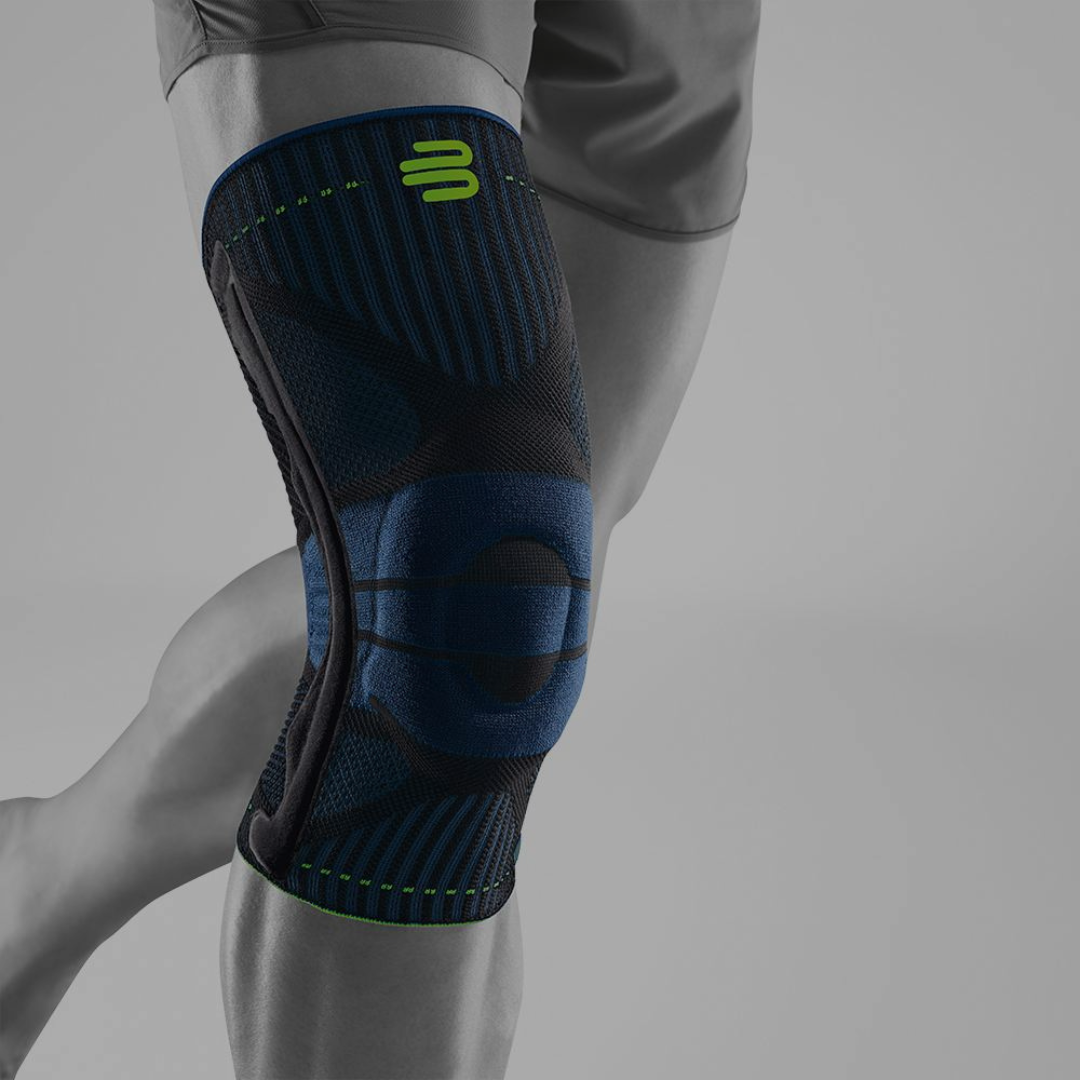
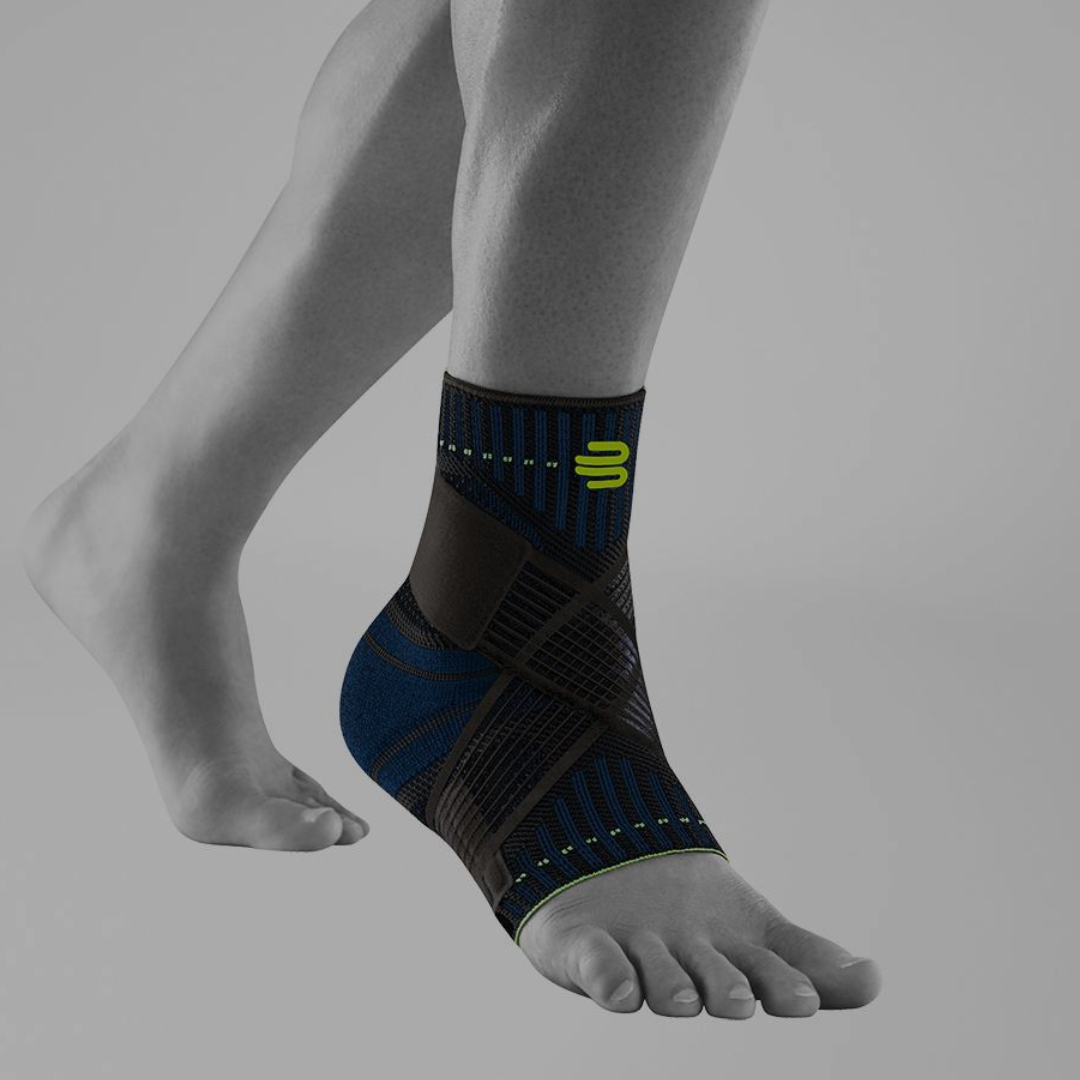
Bauerfeind's Sports Knee Support and Sports Ankle Support are designed to provide targeted stabilization without significantly restricting movement, making them useful options for runners managing previous injuries while rebuilding confidence.
Mistake #4: Underestimating Heat
Heat changes everything.
A pace that feels comfortable in cool spring weather can suddenly feel difficult during a hot summer run.
The reason is simple: your body has competing priorities.
It must:
- Deliver oxygen to working muscles
- Regulate body temperature
- Maintain hydration balance
As temperatures rise, blood flow is redirected toward cooling mechanisms, forcing your cardiovascular system to work harder.
This phenomenon, often called cardiovascular drift, causes heart rate to rise even when pace remains unchanged.
How to Fix It
Adjust Expectations
One of the smartest things a runner can do during summer is accept that pace will often slow down. Focus on effort rather than pace.
Run Earlier
Early morning runs often provide:
- Lower temperatures
- Lower humidity
- Reduced sun exposure
Hydrate Strategically
Don't wait until you're thirsty. Hydration should begin before the run and continue afterward. Longer runs may also require electrolytes to replace sodium lost through sweat.
Dress for Conditions
Choose:
- Breathable fabrics
- Moisture-wicking materials
- Light colours
The goal is to help your body cool itself as efficiently as possible.
Remember: slowing down in the heat isn't weakness. It's smart training.

Mistake #5: Wearing the Wrong Footwear or Lacking Support
Many runners obsess over training plans while ignoring the equipment they use every day.
Shoes are the foundation of every run.
When footwear is worn out, poorly fitted, or unsuited to your needs, stress often travels upward through the foot, ankle, knee, and hip.
Signs Your Footwear May Be Contributing to Problems
- Recurring foot fatigue
- Hot spots or blisters
- Persistent aches after runs
- Uneven shoe wear
- Reduced comfort compared to when the shoes were new
How to Fix It
Replace Shoes Regularly
Most running shoes perform best for approximately 500-800 km.
Beyond that point, cushioning and support often begin to degrade.
Consider Additional Support
Some runners benefit from extra arch support, particularly when dealing with recurring foot fatigue.
Bauerfeind's Weightflex® Insoles are designed to support natural foot movement while helping distribute pressure more evenly throughout the stride.

Mistake #6: Overlooking Small Performance Advantages
Many runners spend months searching for a breakthrough workout.
In reality, major improvements often come from small advantages accumulated consistently over time.
Think about the habits that happen every day:
- Sleep
- Nutrition
- Hydration
- Recovery
- Equipment choices
- Stress management
Each individual factor may seem minor.
Combined, they can have a significant impact on performance.
How to Fix It
Create a simple checklist:
✓ Sleep 7-9 hours
✓ Stay hydrated
✓ Eat enough carbohydrates and protein
✓ Prioritize recovery
✓ Strength train consistently
✓ Replace worn-out gear
✓ Manage life stress where possible
Many runners find that supportive equipment also falls into this category.
The Bauerfeind Running Collection includes compression socks, supports, and insoles designed to help runners stay comfortable and focused throughout training and recovery.
Marginal gains won't transform your running overnight.
But they often make the difference over an entire season.

Mistake #7: Overstriding (The Form Error That Slows You Down and Hurts Your Knees)
Overstriding is one of the most common running form errors and one of the most misunderstood.
It occurs when your foot lands too far in front of your body's centre of gravity.
Instead of moving smoothly forward, your foot effectively acts as a brake.
Every step sends additional force through the knee and hip.
Over time, this can contribute to:
- Runner's knee
- IT band syndrome
- Hip discomfort
- Reduced running economy
Many runners accidentally overstride because they believe longer steps equal faster running.
In reality, longer strides often create more braking force and less efficiency.
What Overstriding Looks Like
A runner who is overstriding typically:
- Lands heavily on the heel
- Has a nearly straight leg at contact
- Appears to reach forward with each step
How to Check
Film yourself from the side. A smartphone placed beside a treadmill or used by a training partner is often enough. If your foot lands noticeably ahead of your knee at impact, you may be overstriding.
How to Fix It
Increase Cadence
This is the most effective correction. Many recreational runners average 150-160 steps per minute. Increasing cadence by 5-10% often shortens stride length naturally.
Improve Posture
A tall posture and slight forward lean encourage more efficient mechanics.
Use Running Drills
Helpful drills include:
- A-skips
- High knees
- Fast feet
- Hill strides
Address Weaknesses
Sometimes overstriding is simply a symptom. Weak calves, weak glutes, or accumulated fatigue may contribute to poor mechanics. Addressing the root cause often creates lasting improvement.
Mistake #8: Increasing Mileage Too Fast
One of the most common beginner running mistakes is increasing training volume faster than the body can adapt.
The challenge is that cardiovascular fitness improves relatively quickly.
Your connective tissue does not.
Tendons, ligaments, cartilage, and bone adapt far more slowly than your heart and lungs.
This creates what coaches often call the adaptation gap.
You feel fit enough to run more.
Your tissues may not be ready.
This is one of the most common running injury causes.
Common Injuries Associated With Rapid Progression
- Shin splints
- Achilles tendinitis
- Patellar tendinopathy
- Plantar fasciitis
How to Fix It
Follow the 10% Rule
Avoid increasing weekly training volume by more than 10%.
Use Step-Back Weeks
Every few weeks, reduce mileage intentionally. This gives your body an opportunity to absorb training.
Track Total Load
Remember that load includes:
- Running
- Strength training
- Sports
- Daily physical activity
Adjust for Age
Runners over 40 often require slightly longer recovery windows. This isn't a limitation. It's simply a factor to consider when planning progression. Consistency beats aggressive mileage increases every time.

Common Running Mistakes at a Glance
| Running Mistake | Joint at Risk | Common Injury | Key Fix |
|---|---|---|---|
| Overstriding | Knee, Hip | Runner's Knee, IT Band Syndrome | Increase cadence to 170–180 spm |
| Too Much Too Soon | Shins, Achilles | Shin Splints, Achilles Tendinitis | Follow the 10% rule |
| Skipping Strength Training | Knee, Ankle | Patellofemoral Pain | Two strength sessions weekly |
| Poor Recovery | Full Lower Body | Overuse Injuries | Sleep, nutrition, compression |
| Poor Posture | Neck, Hips, Back | Tension, Tightness | Regular posture checks |
| Ignoring Heat | Full Body | Heat Exhaustion | Adjust pace and hydration |
| Wrong Footwear | Foot, Ankle, Knee | Plantar Fasciitis | Proper footwear and support |
Frequently Asked Questions
What is the most common running mistake beginners make?
Doing too much too soon is one of the most common beginner running mistakes. Many new runners quickly improve their cardiovascular fitness and assume their body is ready for significantly more mileage. Unfortunately, tendons and connective tissue adapt much more slowly. Overstriding often appears at the same time, creating a combination that increases injury risk substantially.
Can running mistakes cause permanent knee damage?
In most cases, no. Most running-related knee issues are overuse injuries rather than structural trauma. The earlier you address training errors, improve strength, and manage recovery, the more likely you are to make a full recovery without long-term consequences.
Should I wear a knee support while correcting my running form?
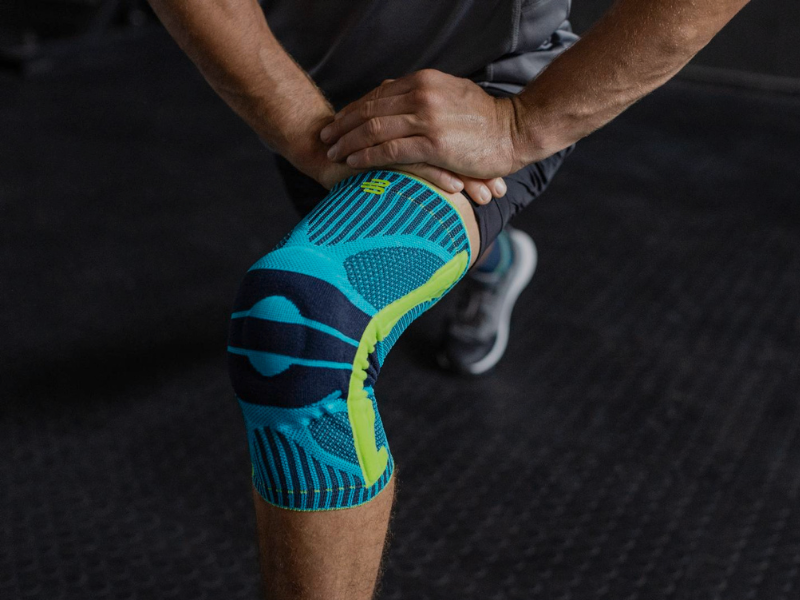
Many runners find knee supports helpful while transitioning to better mechanics. Correcting movement patterns takes time, and the joint remains under load during the process. A medical-grade support can provide additional stability and confidence while you continue strengthening the surrounding muscles.
How do I know if I am overstriding?
The easiest method is filming your stride from the side. If your foot lands clearly ahead of your knee at impact, you are likely overstriding. Increasing cadence by 5-10% is often the most effective correction because it naturally shortens stride length.
Are compression socks worth it for runners?
Compression socks are not a magic solution, but many runners find them helpful for supporting circulation, reducing the heavy-leg sensation after long runs, and improving comfort during recovery. They work best when combined with good sleep, nutrition, hydration, and a well-structured training plan.
Train Smarter, Run Longer
The best runners aren't always the ones who train the hardest.
More often, they're the ones who stay healthy enough to train consistently.
By improving recovery, strengthening key muscle groups, managing training load, avoiding common running form errors, and paying attention to the small details, you can dramatically reduce your risk of injury while improving performance.
Focus on consistency.
Trust the process.
Make small improvements where you can.
And remember: avoiding common running mistakes is often just as important as adding another kilometre to your weekly mileage.
For many runners, that combination of smart training, thoughtful recovery, and the right support tools is what ultimately leads to their strongest seasons and healthiest years of running.