

You trained for months.
You completed the long runs. You followed your nutrition plan. You woke up early when you didn't feel like it. You sacrificed weekends, pushed through tough workouts, and trusted the process.
Then race day arrives. It's 4:30 AM.
Your alarm goes off. You've barely slept. You've checked the weather forecast three times. Your stomach feels unsettled, your heart rate is elevated, and suddenly you're questioning everything.
Did I train enough?
What if I don't hit my goal?
What if something goes wrong?
If this sounds familiar, you're not alone.
Pre race anxiety is one of the most common experiences runners face. Whether you're preparing for your first 5K, a half marathon, or your tenth marathon, pre-race nerves can affect even the most experienced athletes.
The good news? Running anxiety doesn't mean you're unprepared. In many cases, it means you care deeply about the goal you've worked so hard to achieve.

Key Takeaways
- Pre race anxiety affects up to 78% of trained runners and its impact goes beyond your mindset.
- When anxiety kicks in, your body releases cortisol and adrenaline that tighten muscles, disrupt breathing, and reduce circulation to working muscles.
- There is a difference between race-day jitters, which can be helpful, and performance anxiety, which can work against you.
- A pre race physical routine, supported by medical-grade compression, reduces the physical triggers of anxiety, not just the mental ones.
- Confidence on race day is built through preparation: training, recovery, gear, and body support all play a role.
Common Race Anxiety Symptoms Before a Marathon or Running Event

Race day anxiety can show up days before an event or hit suddenly while standing in the starting corral.
Common symptoms include:
- Difficulty sleeping before race day
- Constantly second-guessing your training
- Elevated heart rate before the race begins
- Fear of injury or not meeting personal goals
- Comparing yourself to other runners
- Digestive discomfort or loss of appetite
- Feeling unusually emotional or irritable
The important thing to remember is that these feelings are normal. Even elite athletes experience race-day nerves before major competitions.
Pre Race Jitters vs. Performance Anxiety: Know the Difference
Not every nervous feeling before a race is a problem. Race day jitters can be useful because they activate the body, sharpen attention, and help you feel ready to move. Performance anxiety is different: instead of helping you rise to the moment, it can push the body into shutdown mode and make normal effort feel harder than it should.
Race-Day Jitters |
Performance Anxiety |
|
| Heart rate | Elevated, feels manageable | Spiked, feels threatening |
| Muscle tension | Light activation | Locked, cramped |
| Focus | Sharp, clear | Scattered |
| Energy level | Boosted | Depleted before the start |
| Breathing | Deep, rhythmic | Shallow, rapid |
| Once race starts | You relax and get into flow | Tension stays or gets worse |
If what you're experiencing looks more like the right column, here's what's actually happening inside your body.

What Pre Race Anxiety Actually Does to Your Body
Pre race anxiety starts with the fight-or-flight response. When your brain senses threat, the hypothalamus signals the body to release stress hormones such as cortisol and adrenaline. That response is useful in short bursts, but it can create physical changes that work against smooth, efficient running.
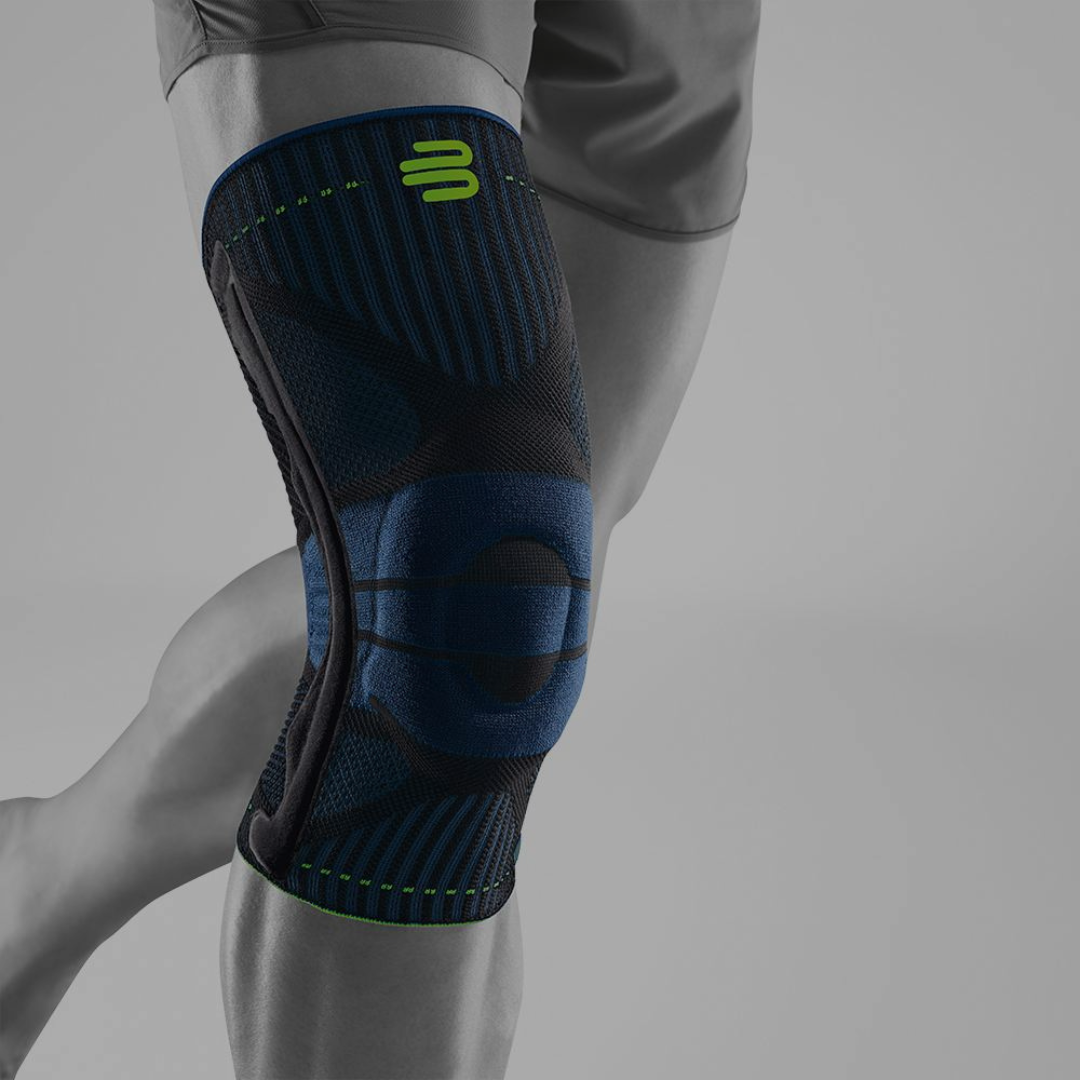
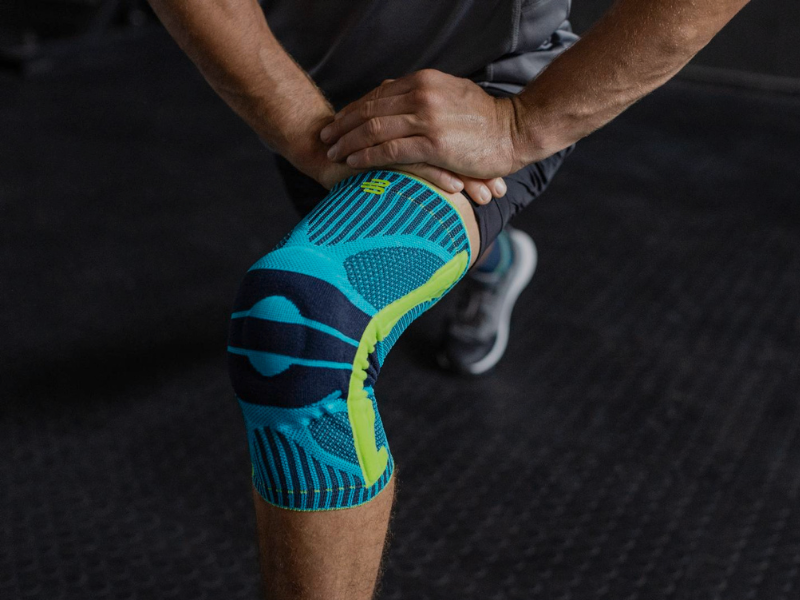
One of the first effects is muscle tension in the shoulders, neck, jaw, and legs, which can disrupt running economy and make your stride feel forced. Runners with a history of knee discomfort may find that knee braces for running provide an added layer of confidence before the starting gun even fires.
Shallow breathing can reduce oxygen delivery to working muscles, while peripheral vasoconstriction can limit blood flow to the areas that need it most. For marathoners, cortisol can also interfere with glycogen utilization, which matters because stored carbohydrate is a critical fuel source late in a race.
This is why addressing pre race anxiety physically, not just mentally, makes a measurable difference on race day.
5 Practical Ways to Reduce Race-Day Anxiety
While some nervousness is normal, there are proven ways to reduce anxiety and build confidence before your race.
1. Focus on What You Can Control
You can't control:
- The weather
- The competition
- Unexpected race-day challenges
You can control:
- Your preparation
- Your pacing strategy
- Your recovery habits
- Your equipment
- Your mindset
When runners focus on controllable factors, confidence often replaces uncertainty.
2. Stick to Your Normal Routine
Avoid making major changes before race day. Eat familiar foods, wear gear you have trained in, and follow the routines that helped you throughout your training cycle.
3. Visualize Success
Spend a few minutes imagining yourself running strong, staying relaxed, and crossing the finish line feeling proud of your effort. Visualization can help reduce uncertainty and reinforce confidence.
4. Trust Your Training
One workout, one missed run, or one imperfect week won't define your race. Your fitness was built over months, not days.
5. Prepare Your Gear in Advance
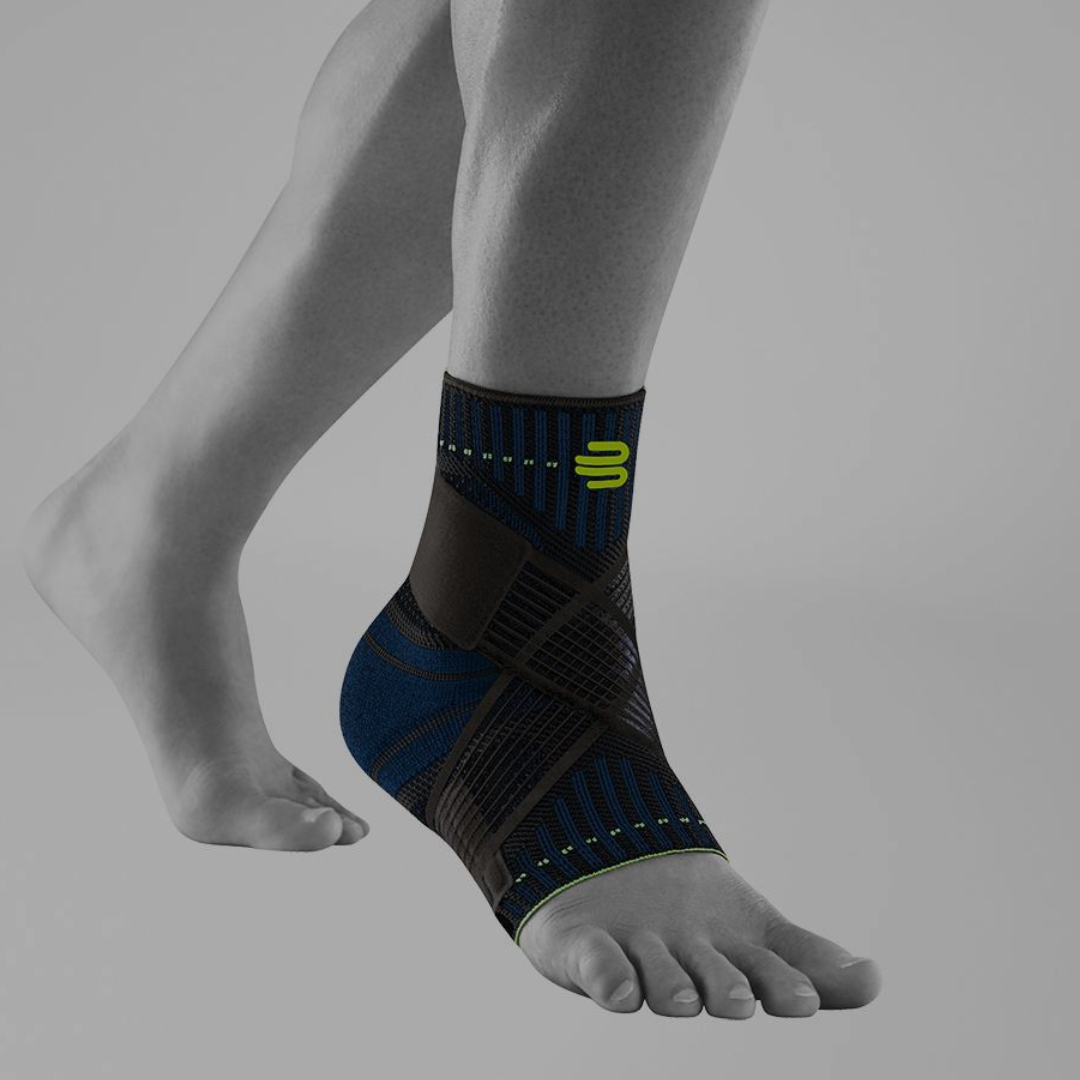
One of the easiest ways to reduce stress is to remove unnecessary race-morning decisions. Lay out your gear, nutrition, hydration plan, and race essentials the night before. If ankle stability is part of your race-day routine, having the right ankle braces for running ready removes one more variable from the morning.
One Overlooked Source of Race Anxiety

Many runners assume anxiety is purely mental. But often, anxiety comes from uncertainty.
Questions like:
- Will my legs feel heavy during the race?
- Will my calves tighten up?
- Will I stay comfortable throughout the event?
- How will my body recover afterward?
The fewer unknowns runners face on race day, the more confident they tend to feel. That is why experienced athletes focus on preparation in every area, not just training.
How the Right Equipment Can Help You Feel More Prepared
While no piece of gear can eliminate race-day nerves, the right equipment can help reduce some of the physical concerns that contribute to anxiety.
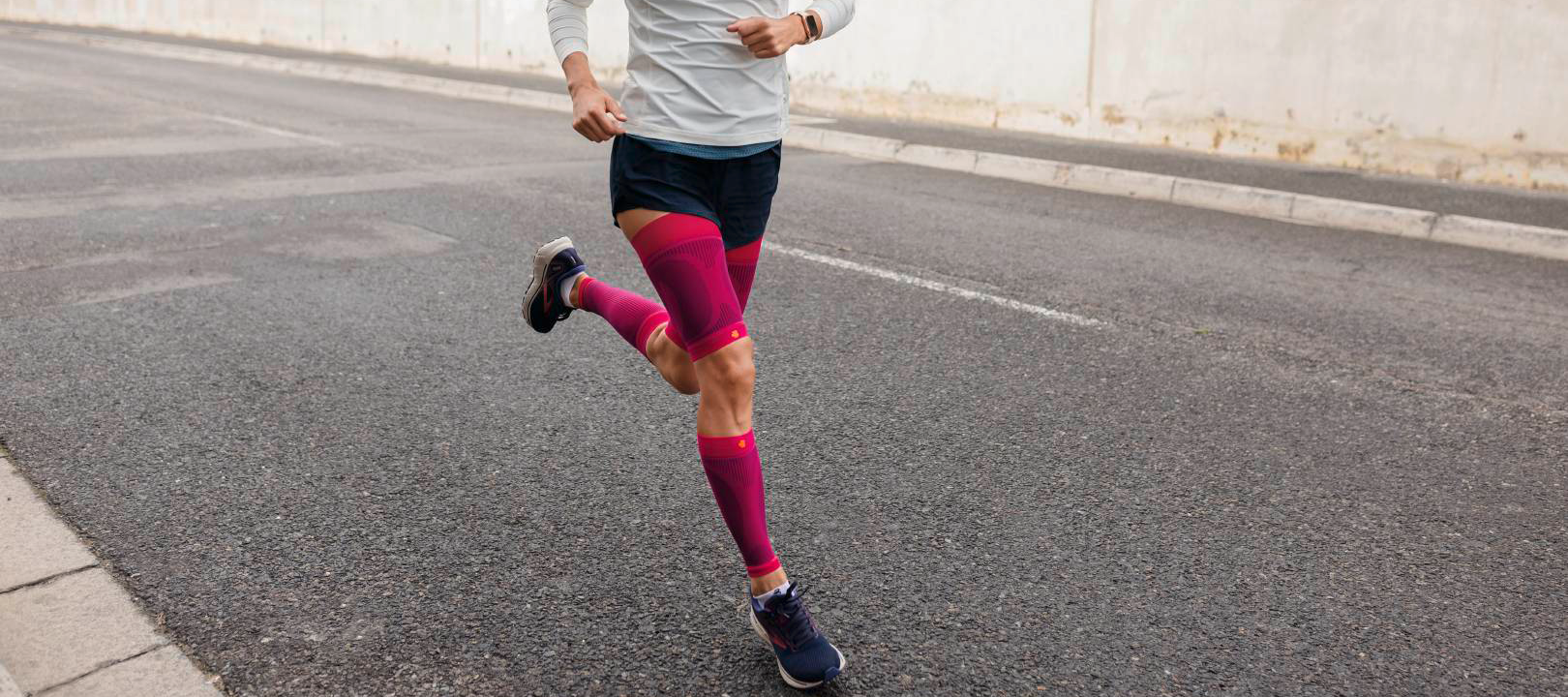
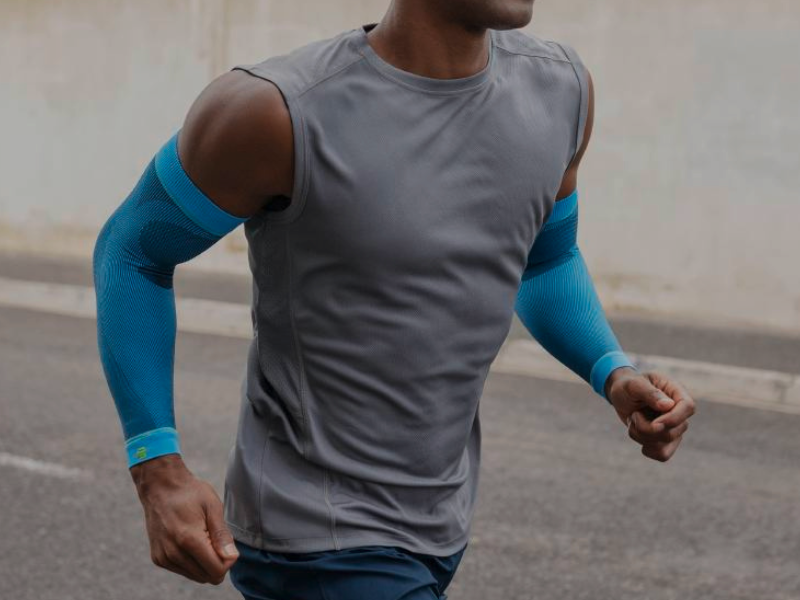
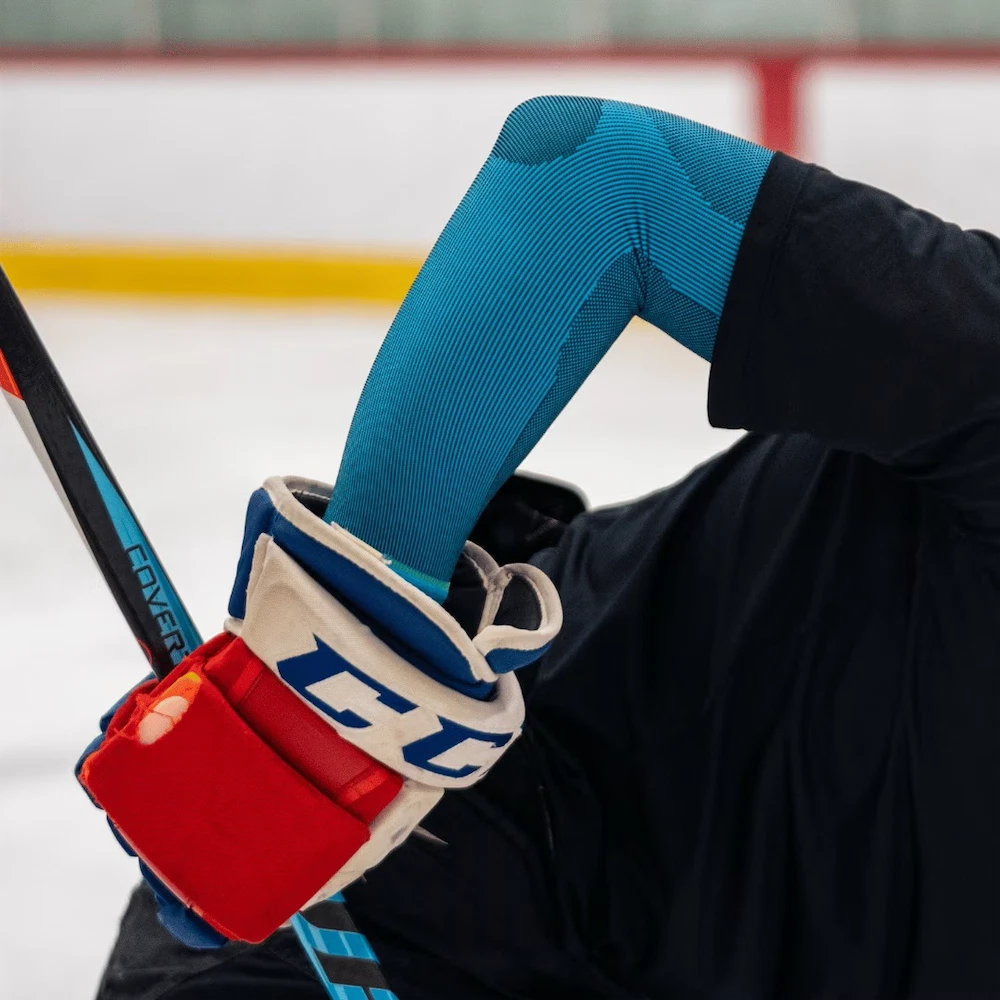
20-30 mmHg compression can directly support the physical side of pre-race nerves by encouraging circulation and oxygen delivery to muscles from the first kilometre. Graduated pressure can also help reduce the heavy-leg sensation and muscle tension runners often notice at the start line. Bauerfeind's microfiber knit delivers targeted graduated pressure, unlike generic compression that applies uniform pressure throughout. Grip Technology helps the product stay securely in place without slipping, even during the explosive movement of a race start.
Underfoot support matters equally : Run Performance Insoles provide Weightflex® arch support that helps maintain healthy biomechanics when fatigue and nerves affect your stride.

When runners know their bodies are properly supported, they are often able to focus more on the race itself and less on concerns about discomfort, fatigue, or recovery.
For decades, Bauerfeind Sports has helped athletes feel more confident through performance-focused support products rooted in medical innovation and sports science.
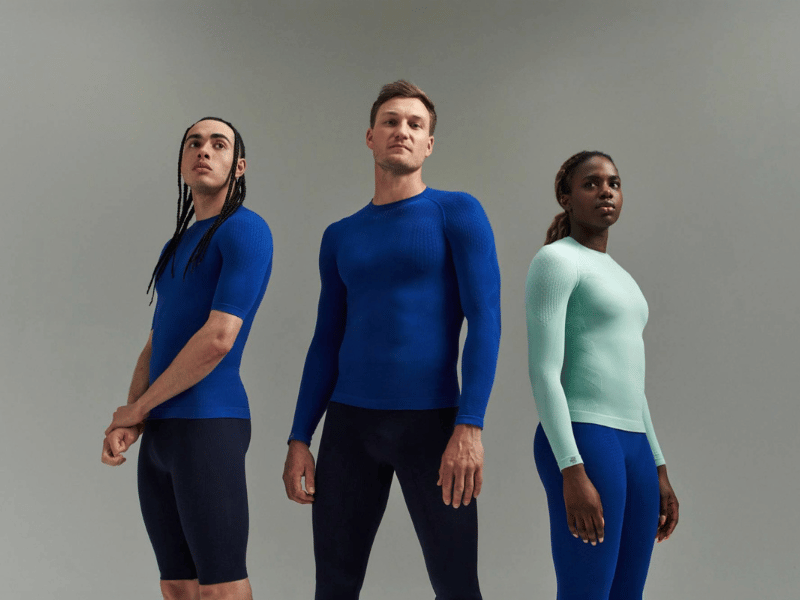
Trusted by professional athletes, Olympians, and runners worldwide, Bauerfeind develops compression products designed to support circulation, improve comfort, and help athletes perform at their best during both training and competition.
Their running collection features products engineered to provide targeted support and compression that can help runners feel more prepared and confident heading into race day.

Recommended product support by race-day concern:
| Concern on race day | Recommended product | Key benefit |
| Leg fatigue and circulation | Sports Compression Socks | 20-30 mmHg graduated compression |
| Knee instability or past injury | Sports Knee Support | Targeted support with Omega Pad technology |
| Ankle support or past sprain | Sports Ankle Support | Stabilization with Taping Technology |
| Foot fatigue and biomechanics | Weightflex® Insoles | Arch support and natural foot movement control |

Small Advantages Create Big Results
Every runner knows that success rarely comes from one major breakthrough. It is built through hundreds of small decisions:
- Following your training plan
- Prioritizing recovery
- Getting enough sleep
- Fueling properly
- Managing stress
- Wearing equipment designed to support performance
Bauerfeind's Sports Compression Socks feature targeted compression zones and comfort-focused construction designed to help runners stay supported during training, recovery, and race day.


FAQ: Pre Race Anxiety and Race-Day Nerves
Is pre race anxiety normal?
Yes. Pre-race anxiety affects up to 78% of trained runners, so feeling nervous before a starting gun does not mean you are underprepared. The key is knowing whether you are experiencing useful jitters or harmful anxiety that disrupts your body before the race begins.
What are the physical symptoms of pre-race anxiety?
Physical symptoms can include muscle tension, shallow breathing, elevated heart rate, digestive discomfort, and heavy legs. These symptoms connect back to the cortisol and adrenaline response that prepares the body for threat, even when the threat is simply the pressure of performance.
How do I calm down before a race?
Focus on what you can control, stick to your normal routine, visualize success, trust your training, and prepare your gear in advance. Calming down also means preparing your body, which is why support, recovery, and compression can help reduce avoidable physical distractions.
Does compression help with pre-race nerves?
Yes, compression can help address the physical symptoms that often come with pre-race nerves, including circulation concerns, muscle tension, and heavy legs. For runners who feel more anxious when their body feels uncertain, compression socks for running can provide a more supported start-line feeling.
How do I sleep the night before a race?
Prepare your kit the evening before so your brain has fewer decisions to manage. Avoid last-minute changes, use a simple breathing routine, and remember that one difficult night of sleep does not erase months of training.
Should I change my routine on race day?
No. Race day is not the time to test new food, new shoes, new gear, or a new warm-up. Stick to the nutrition, equipment, pacing, and preparation habits that worked during training.
Race Day Starts Before the Starting Line
The goal isn't to eliminate every ounce of nervousness. Even elite athletes experience race anxiety.
The goal is to show up knowing you've done everything possible to prepare.
Trust your training. Trust your process. Focus on what you can control.
Confidence comes from preparation, and preparation extends beyond your training plan. From recovery habits to race-day equipment, every detail plays a role in helping you feel ready when the starting gun goes off.
Because while race-day nerves may never completely disappear, confidence grows when preparation meets support.
And sometimes the biggest performance advantage isn't running harder. It is removing the distractions, discomforts, and doubts that prevent you from running your best.
Sources :