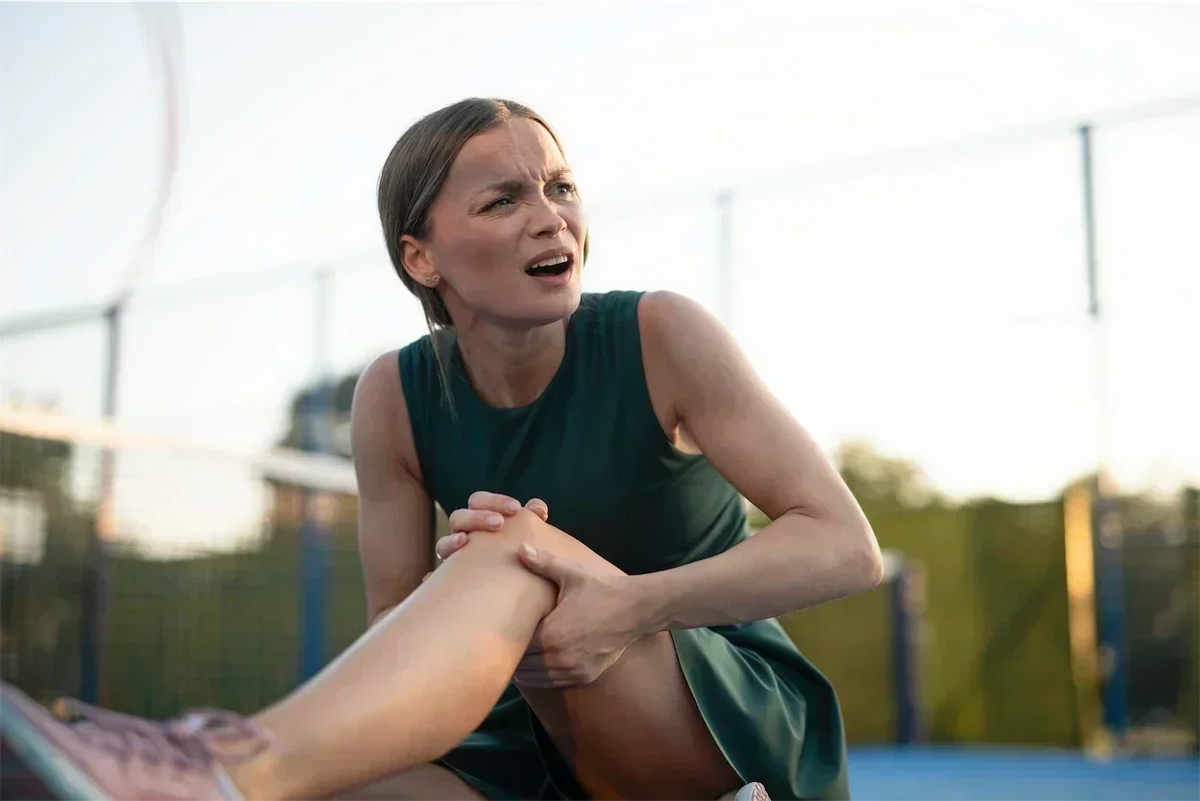
Pickleball elbow is a form of lateral epicondylitis, the same tendon injury better known as tennis elbow, and it can show up within weeks of picking up a paddle for the first time. The pain usually starts as a dull ache on the outside of the elbow and gets worse every time you grip the paddle or swing. If it goes unmanaged, that ache can turn into a nagging injury that keeps you off the court for months. This guide explains what causes pickleball elbow, how it differs from tennis elbow and golfer's elbow, how long recovery typically takes, and what actually helps.
Key takeaway
- Pickleball elbow is lateral epicondylitis, the same tendon injury as tennis elbow, not the same condition as golfer's elbow.
- Mild cases often ease within a few weeks of rest; more entrenched cases can take several months to fully resolve.
- A properly fitted elbow brace or compression sleeve reduces strain on the tendon and helps many players stay active while they recover.
What is pickleball elbow?

Pickleball elbow is an overuse injury of the extensor tendon on the outside of the elbow, medically known as lateral epicondylitis. According to StatPearls, published by the U.S. National Library of Medicine, this condition involves repetitive strain on the extensor carpi radialis brevis tendon, the tendon responsible for extending the wrist during a backhand or a hard forehand drive. It is not caused by inflammation of the bone itself, despite the "-itis" in its name, but by micro-tearing and degeneration of the tendon fibers from repeated loaded gripping.
The term "pickleball elbow" simply describes tennis elbow occurring in pickleball players instead of tennis players. The mechanism is the same: a paddle sport that demands frequent gripping, wrist extension, and short, sharp impact.
What causes pickleball elbow?
Pickleball elbow develops from repeated stress on the forearm tendons, not from a single injury. The most common triggers are a paddle grip that is too tight or the wrong size, the hard vibration transmitted through the paddle on contact, and technique flaws like leading shots with the wrist instead of the shoulder. Playing several games in a row without rest adds up quickly, especially for players returning to the sport after time away.
Pickleball's growth has made this a bigger concern than it was a few years ago. National injury surveillance data shows pickleball-related emergency department visits in the United States rose sharply between 2020 and 2023, and players aged 50 and older account for the large majority of reported injuries. That age pattern lines up with who tends to pick up pickleball elbow in the first place: players easing into a fast, repetitive sport later in life, often without the forearm conditioning that racquet sports demand.
Pickleball elbow vs tennis elbow vs golfer's elbow: What's the difference?
Pickleball elbow and tennis elbow are the same condition, while golfer's elbow is a separate injury on the opposite side of the joint. Both pickleball elbow and tennis elbow are lateral epicondylitis, affecting the outer elbow and the wrist extensor tendons. Golfer's elbow, medically called medial epicondylitis, affects the inner elbow and the wrist flexor tendons instead, and it is roughly seven to ten times less common than lateral epicondylitis.
Pickleball elbow vs tennis elbow
There is no medical difference here. Pickleball elbow is tennis elbow, just triggered by a paddle instead of a racquet. Both come from the same repetitive wrist-extension mechanism, and both respond to the same first-line treatment.
Pickleball elbow vs golfer's elbow
These are two distinct conditions that happen to sit on opposite sides of the same joint, which is why they get confused so often, even in search results. Golfer's elbow causes pain on the inside of the elbow and worsens with gripping and forearm rotation, while pickleball elbow causes pain on the outside and worsens with wrist extension. Getting the diagnosis right matters because the stretching, strengthening, and bracing strategies for each condition target opposite muscle groups.
| Criteria |
Pickleball Elbow (Tennis Elbow) |
Golfer's Elbow (Medial Epicondylitis) |
| Medical term | Lateral epicondylitis | Medial epicondylitis |
| Pain location | Outside of the elbow | Inside of the elbow |
| Tendon affected | Wrist extensor tendons | Wrist flexor and pronator tendons |
| Aggravating motion | Wrist extension, gripping | Wrist flexion, forearm rotation |
| Relative frequency | Most common form of elbow overuse pain | About 7 to 10 times less common |
How long does pickleball elbow take to heal?
Most cases of pickleball elbow improve with conservative care, though the timeline depends heavily on severity and how early treatment starts. Clinical literature on lateral epicondylitis does not publish a single fixed recovery number. Instead, it describes a wide but generally favorable window: most patients see pain relief within three to eighteen months of rest, ice, and anti-inflammatory care, and eighty to ninety percent recover spontaneously within one to two years. Mild cases caught early tend to sit at the short end of that range, while cases that are ignored or repeatedly re-aggravated drift toward the long end.
| Severity | Typical presentation | General recovery window |
| Mild | Dull ache during or after play, no impact on daily tasks | A few weeks with rest, ice, and reduced grip load |
| Moderate | Pain during play and light daily tasks (lifting a cup, turning a doorknob) | Several weeks to a few months with structured rest, bracing, and physiotherapy |
| Severe or chronic | Persistent pain even at rest, weakened grip strength | Several months up to a year or more, often requiring physiotherapy and closer medical follow-up |
These ranges are general guidance, not a diagnosis. A physiotherapist or physician can confirm severity and rule out other causes of elbow pain, which matters since roughly 10 to 15 percent of suspected tennis elbow cases involve a coexisting nerve entrapment that changes the treatment plan.
How to treat and manage pickleball elbow
Early, consistent management shortens recovery more than any single product or technique on its own. The standard first-line approach combines rest from the aggravating activity, ice after play, and over-the-counter anti-inflammatory medication for pain control. Forearm stretching and progressive strengthening, ideally guided by a physiotherapist, help rebuild tendon tolerance once the acute pain settles.
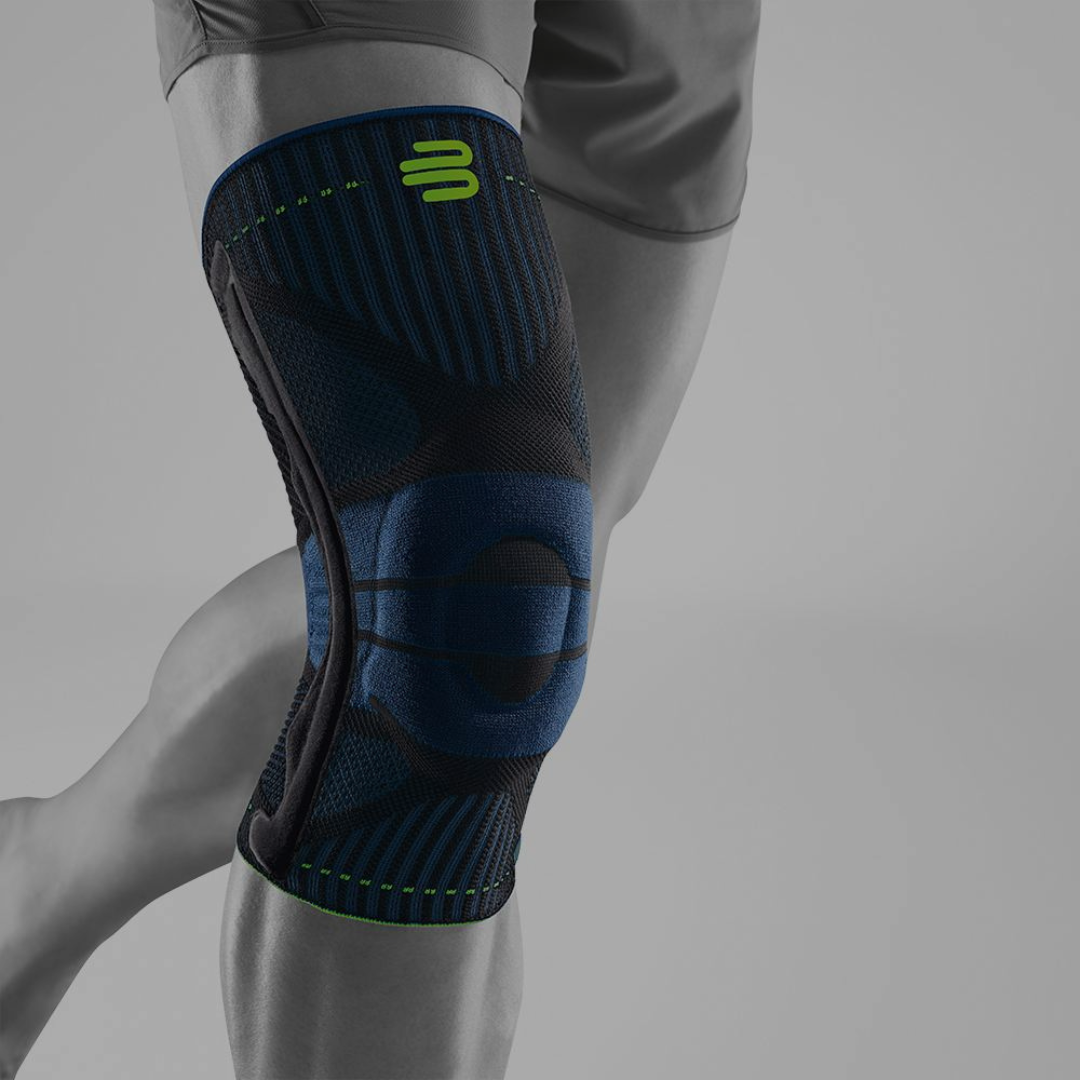
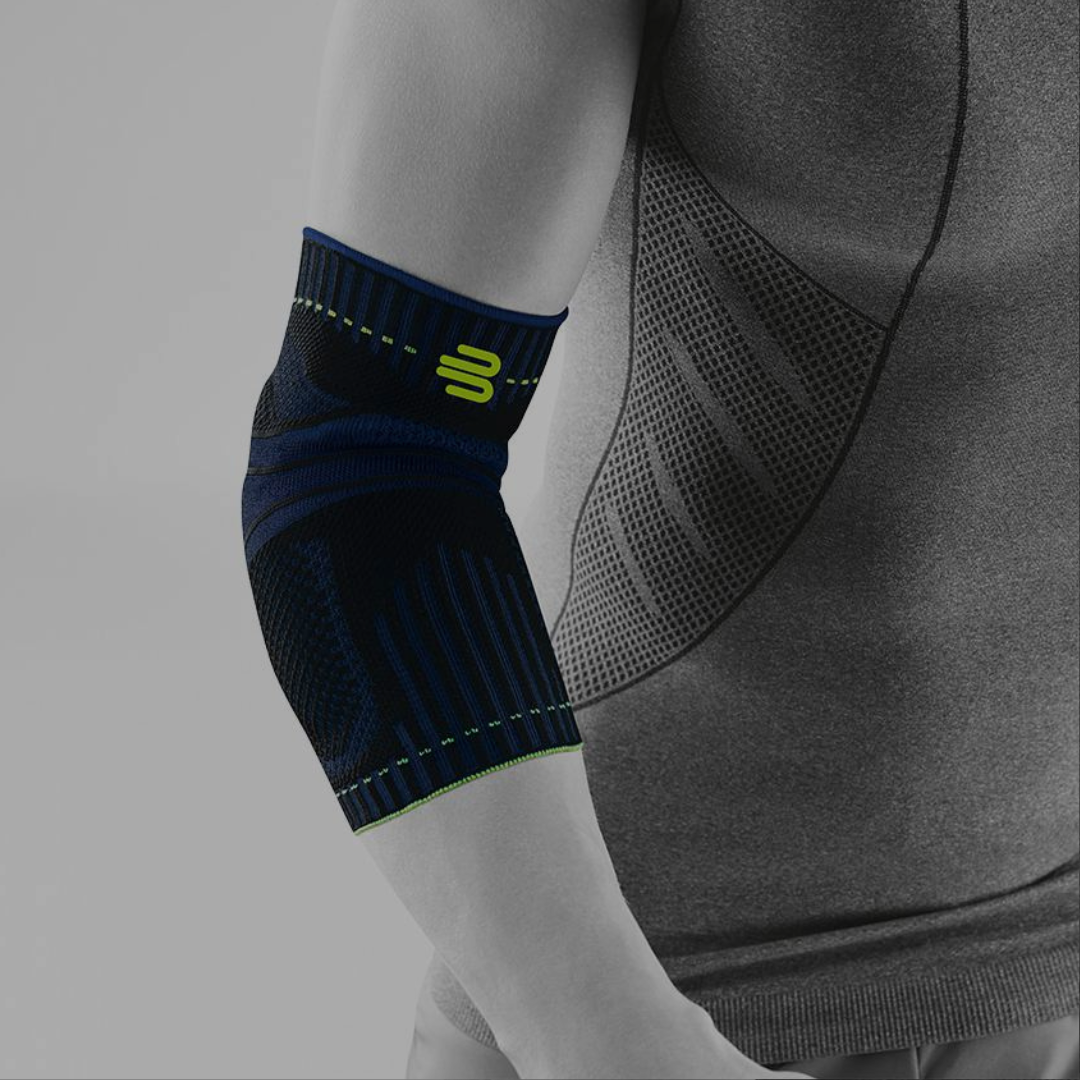
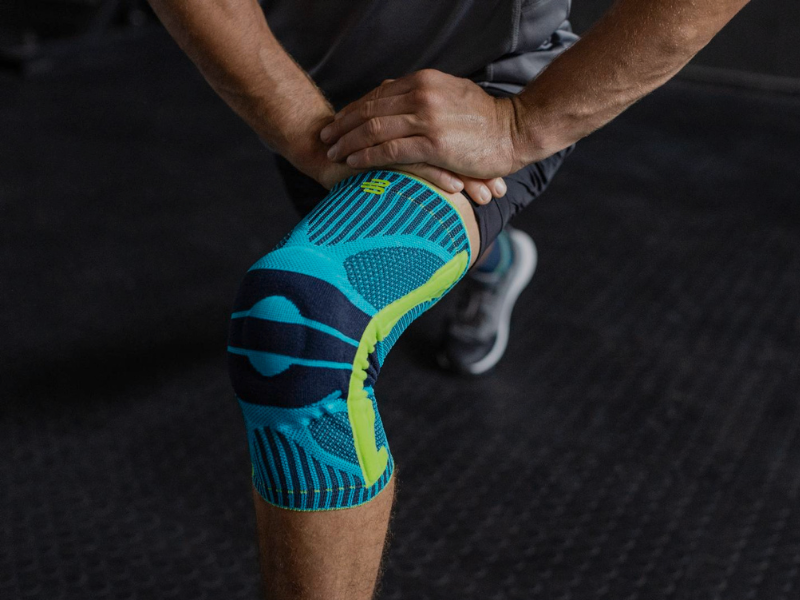
Bracing plays a supporting role throughout that process. A counterforce strap or a compressive elbow support reduces the tension pulling on the irritated tendon during activity, which is why it is commonly recommended alongside rest and therapy rather than as a replacement for either. Bauerfeind's Pickleball Elbow Braces & Supports collection includes compressive designs built with an integrated silicone Grip Technology border, which helps the brace stay in place through fast lateral movement instead of sliding down the forearm mid-rally.
Can you keep playing pickleball with elbow pain?

Many players do not want to hear "stop playing," and in mild cases you usually do not have to. If the pain is a dull ache that fades within a day of rest, shortening your sessions, easing off power shots, and adding support to the forearm is often enough to keep you on the court while the tendon recovers. If the pain lingers at rest, worsens during play, or affects your grip strength off the court, that is a signal to scale back further and get it assessed rather than push through it.
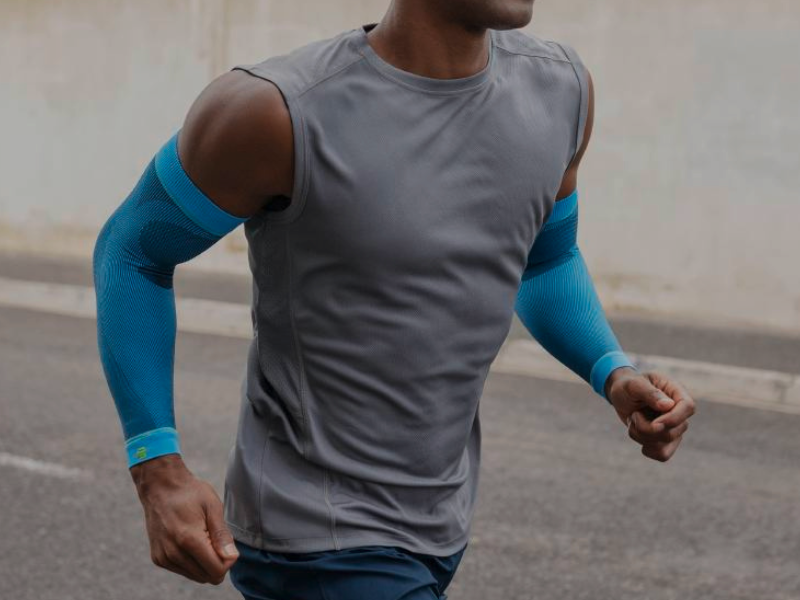
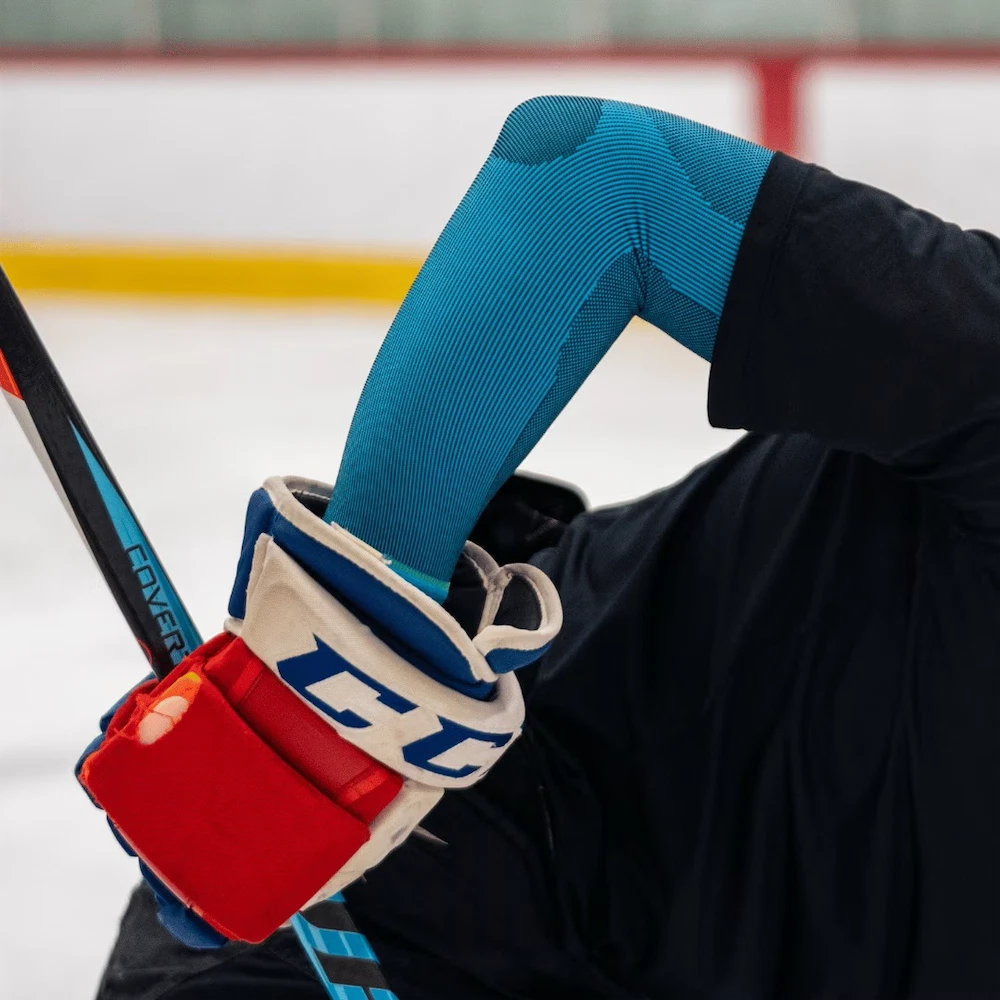
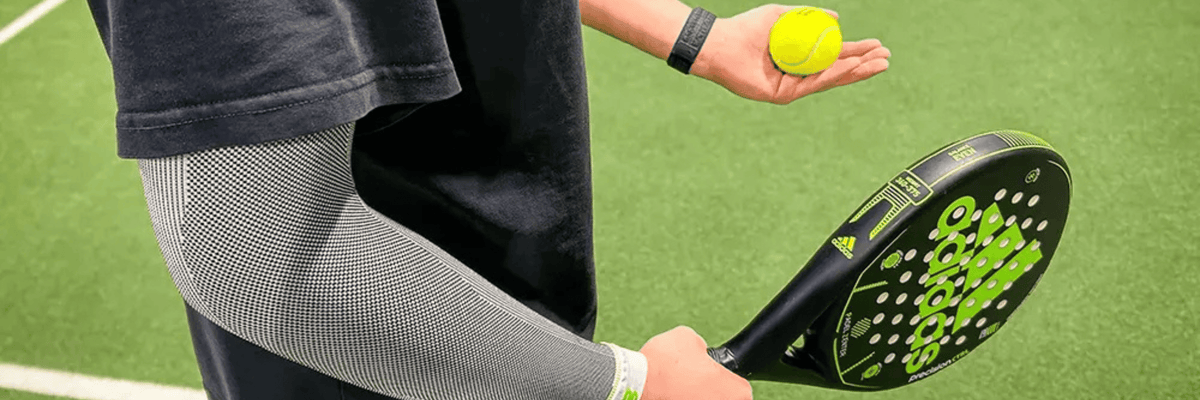
A graduated compression sleeve is a practical middle ground for players who want to stay active during a mild flare-up. Rather than immobilizing the joint the way a rigid brace does, pickleball arm compression sleeves apply gradient pressure along the forearm to support circulation and reduce the muscle vibration that aggravates the tendon on every shot.
Getting back on the court after pickleball elbow
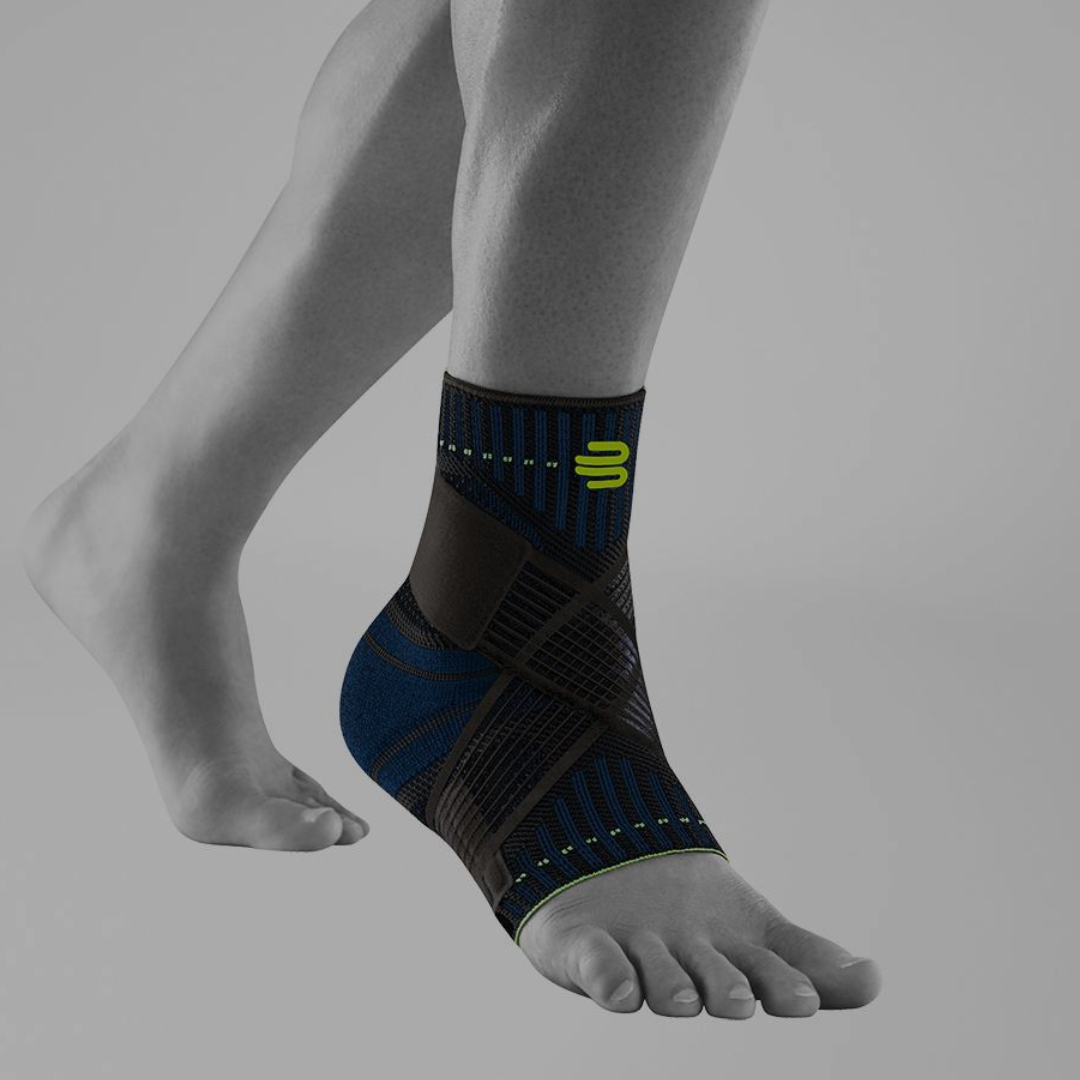
Pickleball elbow responds well to early, consistent management: rest the tendon, ice it, support it, and rebuild strength gradually rather than pushing through the pain. Getting the diagnosis right, distinguishing it clearly from golfer's elbow, is the first step toward treating it correctly. For joint-specific protection beyond the elbow, from ankle to knee, Bauerfeind's full range of pickleball gear is built to help you stay supported through recovery and back on the court with confidence.
Your questions about pickleball elbow
What is pickleball elbow exactly?
Pickleball elbow is lateral epicondylitis, an overuse injury of the tendon on the outside of the elbow caused by repetitive gripping and wrist extension during play. It is the same condition commonly known as tennis elbow.
How do you get rid of pickleball elbow?
The standard approach combines rest from aggravating activity, ice after play, anti-inflammatory medication for pain, and a forearm brace or strap to reduce tendon strain during movement. Physiotherapy focused on stretching and progressive strengthening is added once the acute pain settles.
How long does it take for pickleball elbow to heal?
Recovery ranges from a few weeks for mild cases to several months, or up to a year or more, for cases that are severe or left untreated. Most patients see meaningful improvement within three to eighteen months of consistent conservative care.
Is pickleball elbow the same as tennis elbow?
Yes. Both are lateral epicondylitis, affecting the same tendon through the same repetitive wrist-extension mechanism, regardless of which racquet or paddle sport caused it.
Is pickleball elbow the same as golfer's elbow?
No. Golfer's elbow, or medial epicondylitis, affects the inside of the elbow and the wrist flexor tendons, while pickleball elbow affects the outside of the elbow and the wrist extensor tendons. They require different stretching and strengthening approaches.
What is the most common injury from playing pickleball?
Strains, sprains, and fractures are the most frequently reported pickleball injuries overall in emergency department data, with elbow, knee, and ankle injuries especially common among regular players.
Can you still play pickleball with pickleball elbow?
Often yes, in mild cases, as long as you reduce session length and intensity and add supportive bracing. Persistent pain at rest or weakening grip strength is a signal to scale back further and have it assessed rather than continue playing through it.
When should you see a doctor for pickleball elbow?
See a healthcare professional if the pain does not improve after a few weeks of rest and self-care, if it worsens during daily tasks, or if you notice numbness or tingling, which can point to a coexisting nerve issue rather than tendon strain alone.
Sources
- National Library of Medicine (NIH), StatPearls. "Lateral Epicondylitis (Tennis Elbow)."
- PubMed / Arthroscopy, Sports Medicine, and Rehabilitation. "A Substantial Increase in Injuries and Hospitalizations Associated With Playing Pickleball From 2020 to 2022."
- PubMed. "The Epidemiology of Pickleball Injuries Presenting to US Emergency Departments."
- National Library of Medicine (NIH), StatPearls. "Medial Epicondylitis."
- National Library of Medicine (NIH), StatPearls. "Medial Epicondyle Injection."