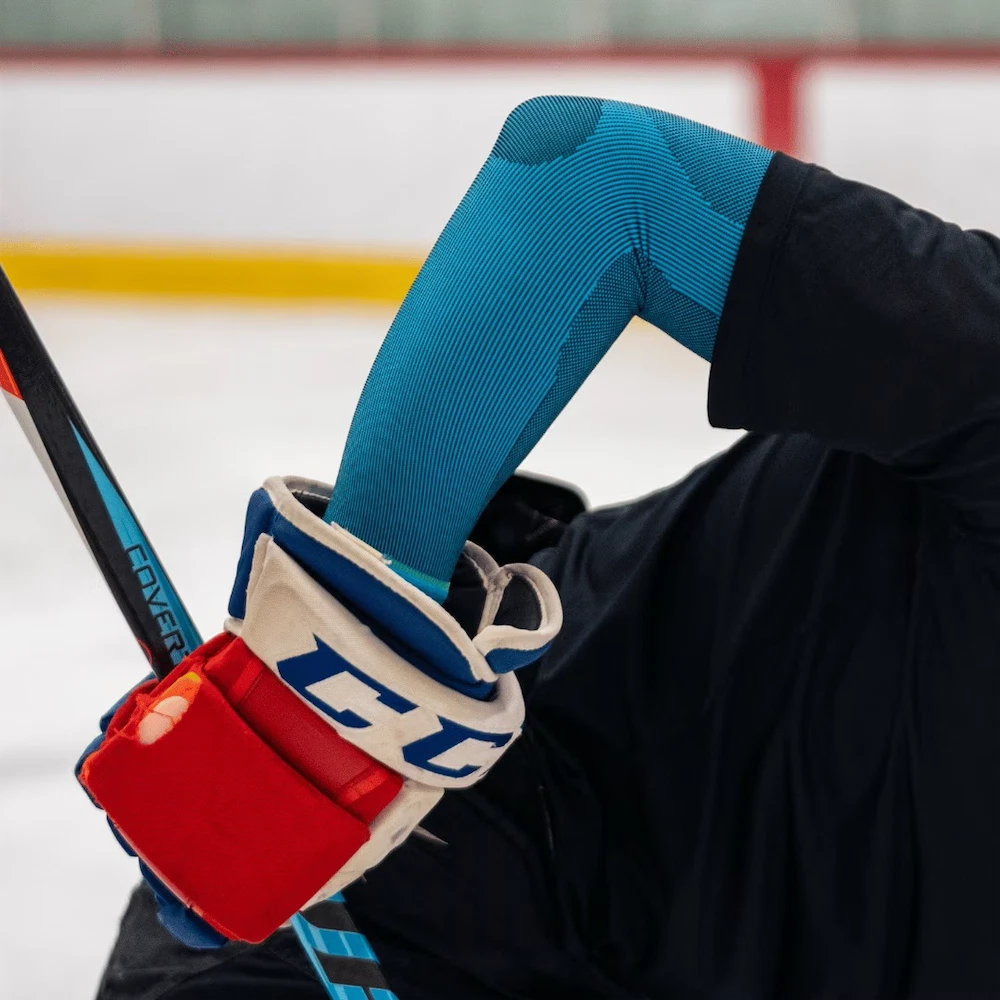
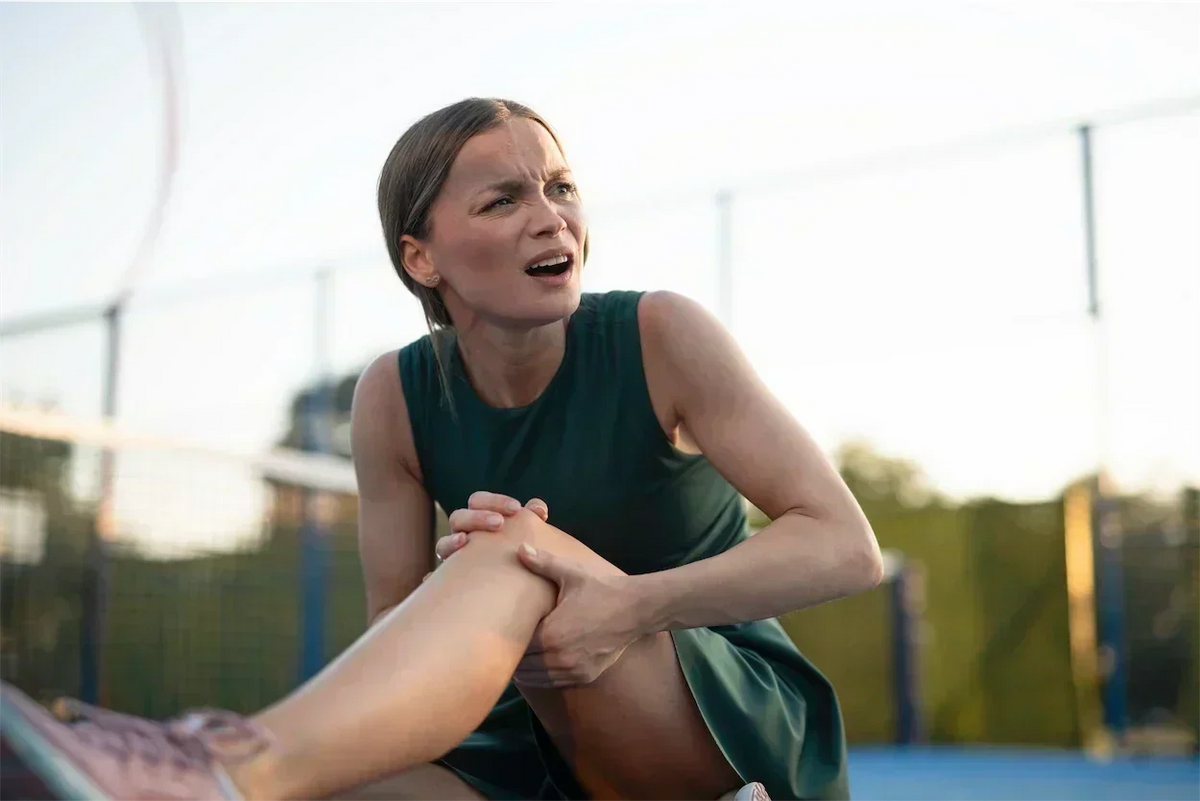
Knee pain after playing pickleball is almost always the result of repeated lateral stress, not one dramatic injury. Between kitchen lunges, split-steps, and sudden direction changes, pickleball asks the knee joint to absorb twisting and pivoting loads that few recreational sports demand at that pace. This guide breaks down the specific injuries most likely behind that pain, realistic recovery timelines for each one, and how a knee brace or compression sleeve fits into getting back on the court safely.
Key Takeaways
- Knee pain after playing pickleball usually comes from repeated lateral lunges and quick pivots, not one specific accident.
- The most common culprits are patellar tendinopathy, meniscus strain, MCL sprains, and IT band irritation.
- A knee brace or compression sleeve can relieve pain and add stability, but it works alongside rest and strengthening, not instead of them.
- Most mild pickleball knee injuries improve within three to six weeks of rest, ice, and targeted exercise.
What causes knee pain after playing Pickleball?

Pickleball's short, explosive points ask the knee to absorb far more twisting and lateral load than a steady-state sport like running or cycling. Because rallies are played on hard, low-give courts with little recovery time between points, that stress accumulates quickly across a single session.
The movements that strain the knee
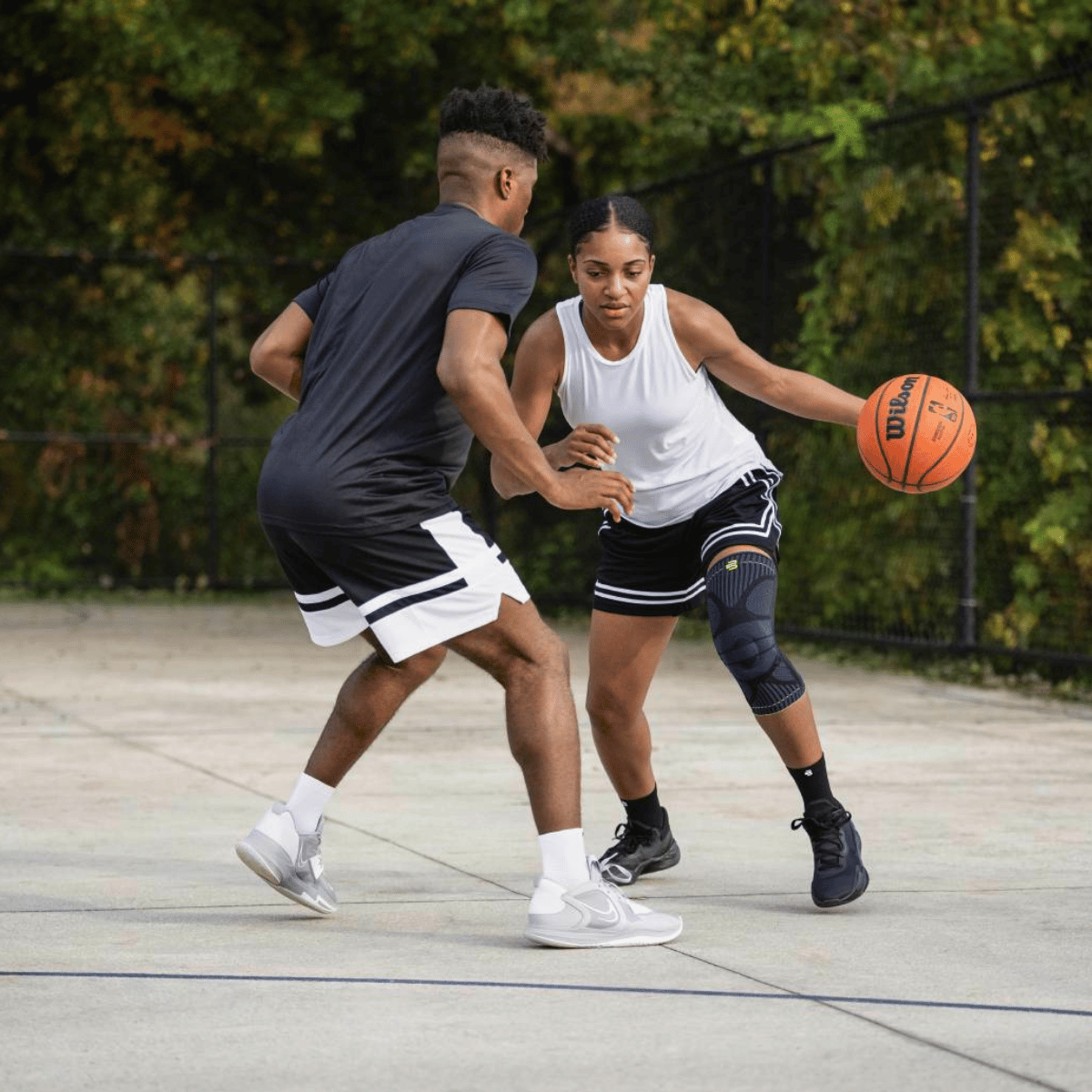
A typical point involves shuffling sideways, planting one foot to change direction, then lunging toward the kitchen (the non-volley zone at the net). Each of those actions loads a different structure: the patellar tendon during crouching and quick pushes off the ground, the meniscus during twisting with the foot planted, and the medial collateral ligament during sharp lateral cuts.
Risk factors that make it worse
A prior knee injury, muscle imbalance between the quadriceps and hamstrings, and age-related changes to tendon elasticity and cartilage all raise the risk of pain flaring up. Pickleball has grown quickly among Canadian adults of every age: Pickleball Canada's 2026 participation survey found the sport now counts roughly 1.8 million players nationwide, up 14% year over year and close to 80% higher than in 2022. That growth means more players are picking up a paddle later in life, at a stage when joints recover more slowly than they did a decade earlier.
Symptom, injury and recovery time at a glance
Not all pickleball knee pain points to the same injury, and recognizing the pattern is the first step to knowing how long recovery might realistically take.
| Symptom | Likely injury | Typical recovery (non-surgical) | See a professional if... |
|---|---|---|---|
| Pain just below the kneecap, worse with jumping or lunging | Patellar tendinopathy (jumper's knee) | A few weeks with rest, ice, and load management | Pain persists beyond a few weeks or worsens with activity |
| Swelling, clicking, or a "giving way" feeling after a twist | Meniscus tear | Roughly 3 to 6 weeks for minor tears treated conservatively | The knee locks, won't straighten, or stays swollen |
| Tenderness on the inner knee after a lateral plant | MCL sprain | 1 to 3 weeks for mild sprains, 6 or more weeks for severe ones | The knee feels unstable or buckles under weight |
| Aching on the outer knee that builds as play continues | IT band syndrome | About 6 weeks with rest and physical therapy | Pain doesn't ease with reduced activity |
These are typical, non-surgical recovery windows and can vary by individual. Persistent, worsening, or recurring pain should always be assessed by a doctor or physiotherapist rather than self-diagnosed from symptoms alone.
How to protect your knees during Pickleball

Most pickleball knee injuries are preventable with the right warm-up and strengthening routine, since the joint responds well to gradual, consistent loading rather than sudden intensity.
Warm-up and mobility routine
- Dynamic lunges and lateral band walks to activate the muscles around the knee before the first point
- Ankle and calf mobility drills, since limited ankle motion often shifts extra stress onto the knee
- A short jog or shadow footwork drill to raise tissue temperature before playing at full speed
Strengthening exercises for knee stability
- Quad sets and straight-leg raises to build support directly around the kneecap
- Step-ups and single-leg balance work to train the stability that pickleball's lateral movement demands
- Hip and glute strengthening, since weak hips often show up as knee pain during pivots
Wearing light compression during play is a common way to support these efforts. A compression sleeve with graduated 20 to 30 mmHg medical-grade compression improves circulation and muscle activation without restricting the footwork pickleball requires, making it a common choice for players with no current pain who simply want to reduce wear over a season.
Should you wear a knee brace for Pickleball?
Yes, in many cases. A knee brace or compression sleeve can relieve pain, reduce swelling, and add stability during lateral movement, but it works best alongside rest and strengthening, not as a substitute for them. Which type helps most depends on whether you're preventing strain, managing tendon pain, or recovering from instability.
What a knee brace can (and can't) do
A brace redistributes load, guides the kneecap's movement, and gives many players the confidence to plant and pivot without hesitation. What it does not do is fix the underlying cause of pain. If the same ache returns every session despite wearing one, that is usually a sign the brace is masking a problem that rest, strengthening, or a professional assessment still needs to address.
Choosing the right type: Sleeve vs. strap vs. brace
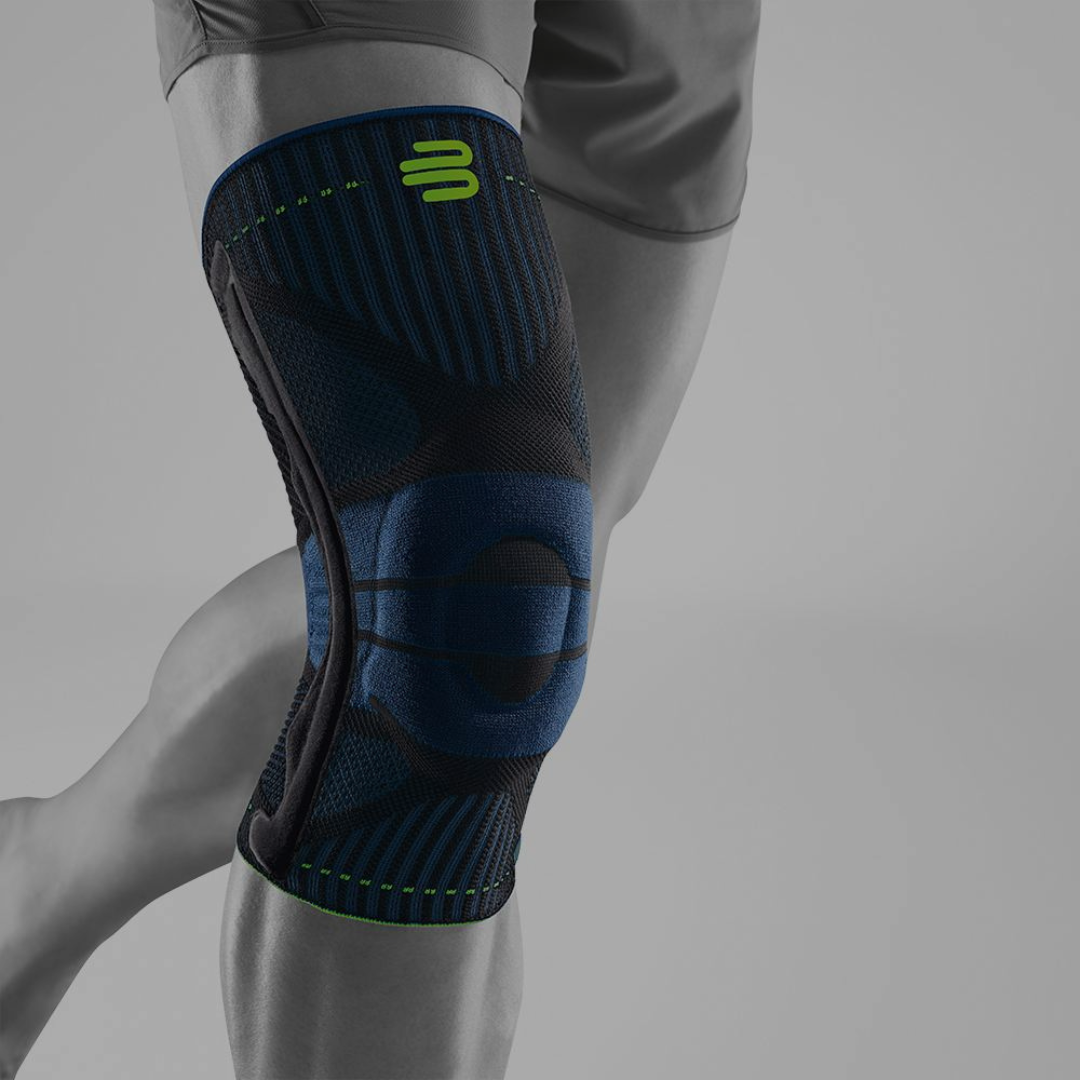
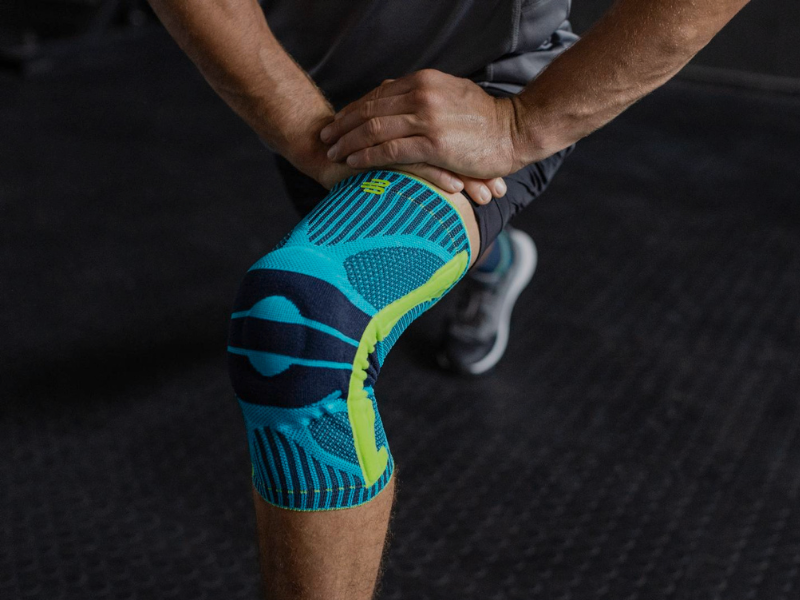
Players with no current pain who want to prevent wear are usually best served by compression alone, which is where the Sports Compression Knee Sleeve fits. Pain felt specifically just below the kneecap points to the patellar tendon and responds better to a strap built for that structure, such as the Sports Knee Strap and its four-point pressure pad. Players managing chronic instability or a history of sprains typically need the added structure of a full brace, like the Sports Knee Support with its Omega Pad and reinforced, anatomical fit. For a closer side-by-side comparison of these options, Bauerfeind's full lineup of pickleball knee supports breaks each one down by situation and activity level.
When to see a professional
Mild soreness that improves with rest and the strategies above is a normal part of an active pickleball season. Pain that lingers past a few weeks, worsens with play, or comes with swelling, locking, or a sense of the knee giving way is a signal to see a doctor or physiotherapist rather than push through it. This article is intended as general information and is not a substitute for a professional diagnosis.
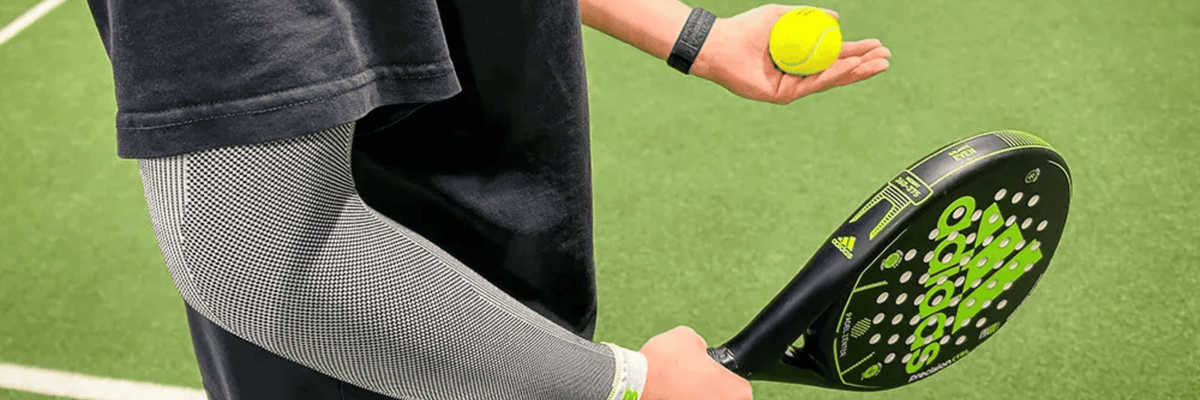
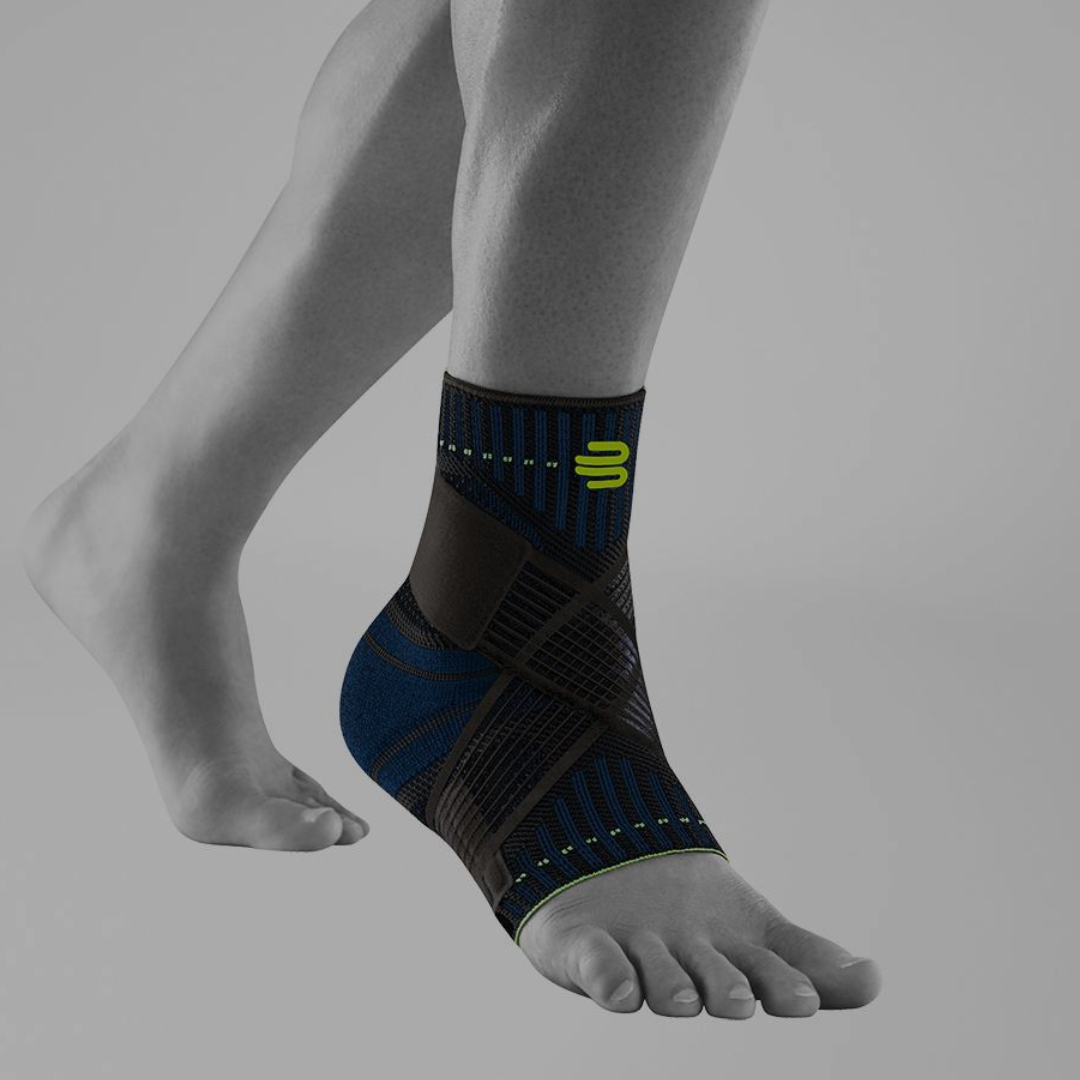
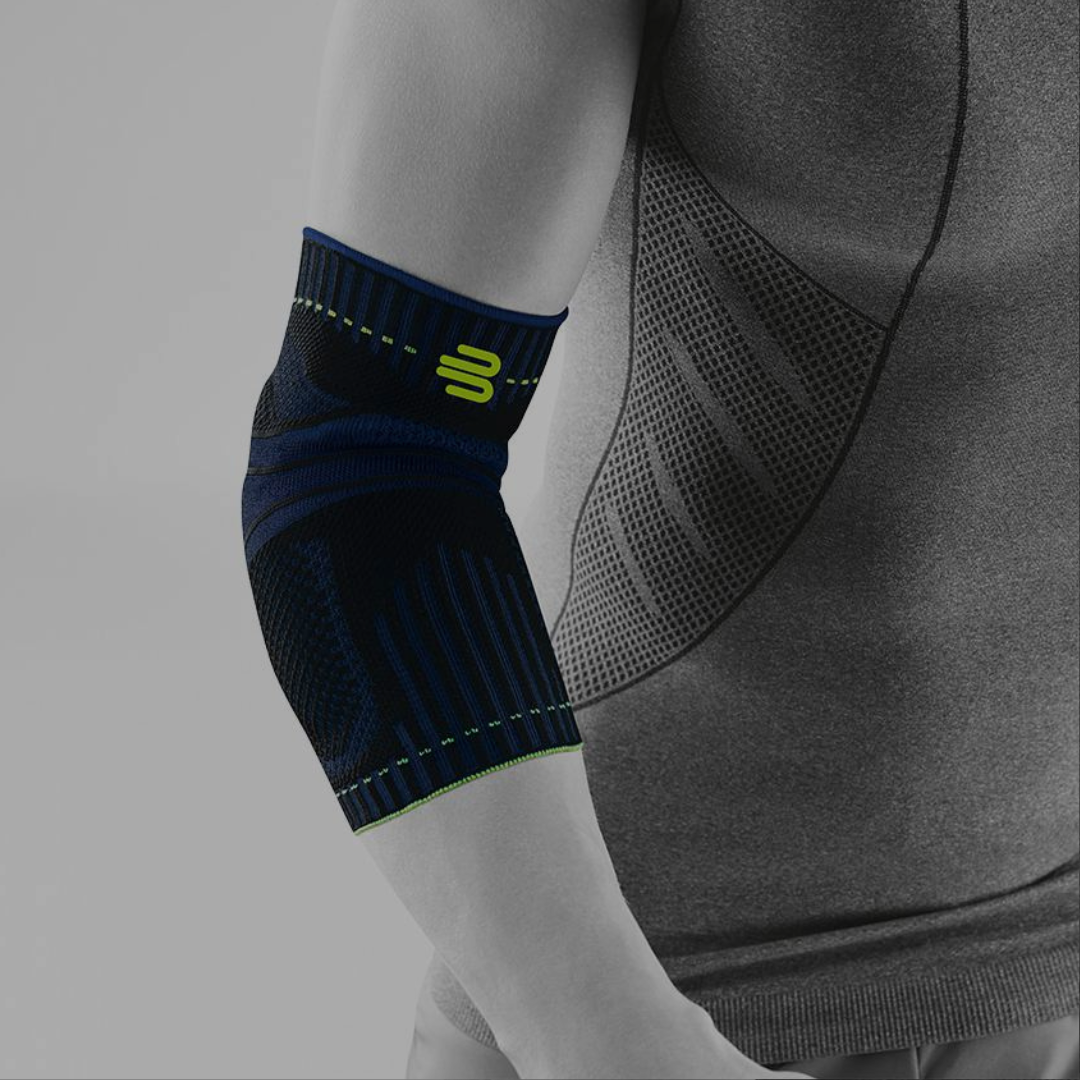
Whatever the cause, the right support can make the difference between sitting out a season and staying on the court. Explore Bauerfeind Sports' full range of pickleball gear to find the knee, ankle, and elbow support built for the way the game actually moves.
Your questions about knee pain after playing Pickleball
Are certain shoes better for preventing knee pain in pickleball?
Court shoes designed for lateral movement, rather than running shoes, provide better side-to-side stability and reduce the twisting stress that reaches the knee during pivots. Worn-out shoes with flattened tread are one of the most overlooked contributors to knee strain, since they let the foot slide slightly before gripping.
Is it safe to ice my knee after every pickleball session?
Yes, a short 10 to 15 minute ice session after play is a reasonable habit for players managing mild, recurring soreness, not just an acute injury. It should not replace addressing the underlying cause if the same ache shows up after every match.
How do I know when it's safe to return to pickleball after taking time off for a knee injury?
A good rule of thumb is being able to do sport-specific movements like lateral lunges and quick stops pain-free before returning to full play. Easing back in with shorter, lower-intensity sessions first reduces the risk of re-aggravating the injury, and a physiotherapist can confirm readiness for anything beyond mild soreness.
Sources
- Pickleball Canada, "Pickleball in Canada – 2026 Survey"
-
Cleveland Clinic, "Patellar Tendinitis (Jumper's Knee)"
-
American Academy of Orthopaedic Surgeons (OrthoInfo), "Meniscus Tears"
-
Cleveland Clinic, "Medial Collateral Ligament (MCL) Tear"
-
American Academy of Orthopaedic Surgeons (OrthoInfo), "Iliotibial Band (IT Band) Syndrome"