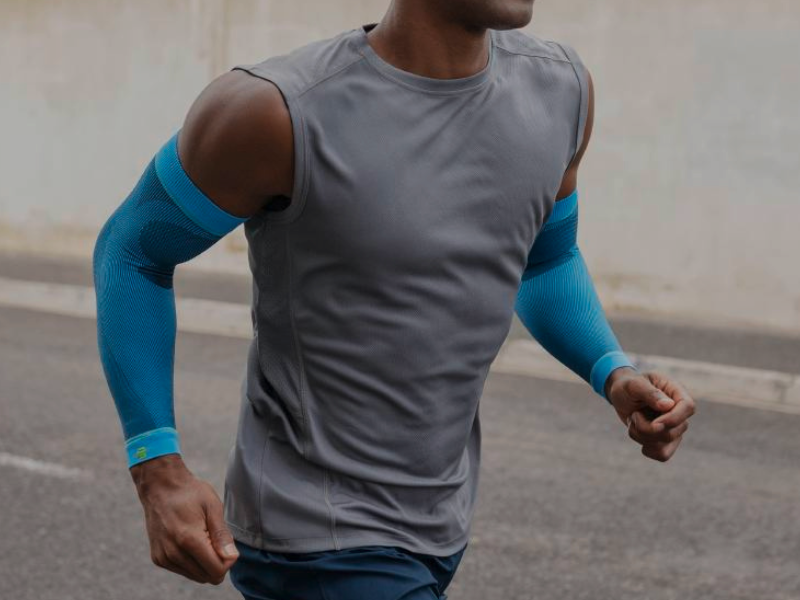
PICKLEBALL ARM SLEEVE
1 product
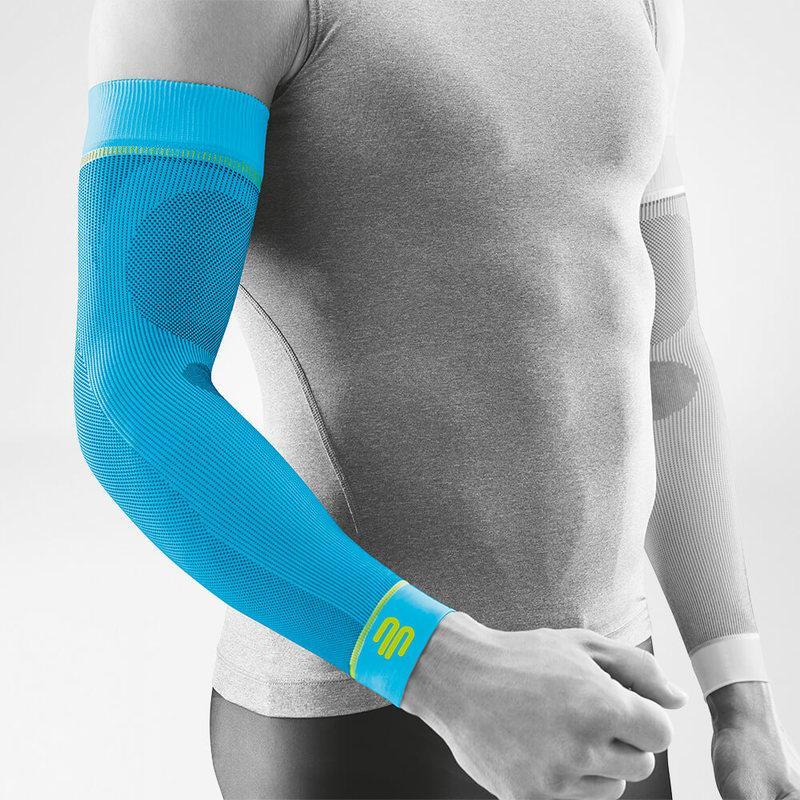
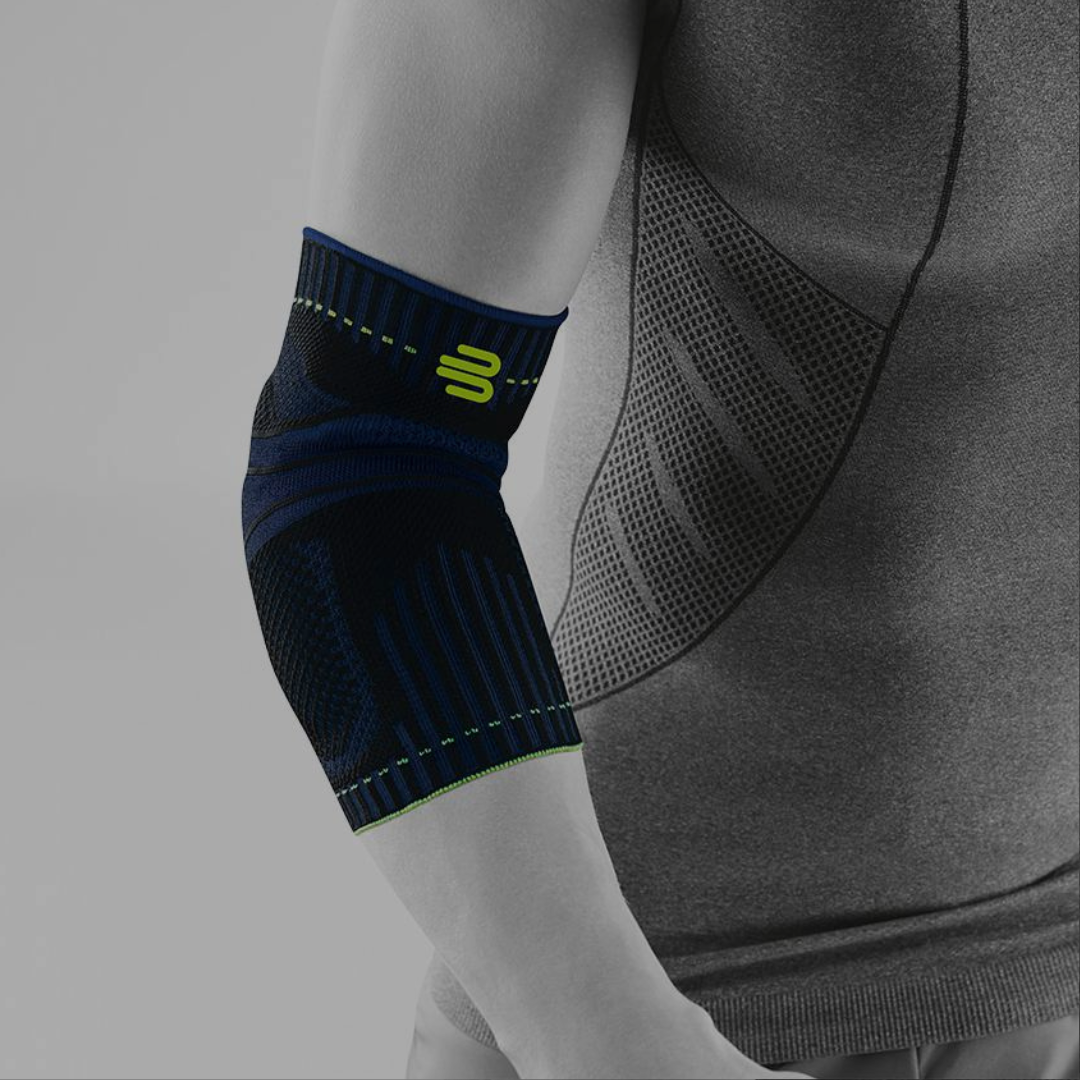
Compressive arm sleeves for improved muscle performance and recovery - lightweight, comfortable, durable and washable.
Pickleball is Canada's fastest-growing sport, with 1.54 million players hitting the courts every month and the numbers keep climbing. But with more time on the court comes more strain on your arms, especially your elbows. If you're playing 3 to 4 times a week, your forearm tendons are absorbing thousands of repetitive impacts per session. Whether you're upgrading your pickleball gear or building a complete injury-prevention routine, the right pickleball arm sleeve doesn't just protect you during play, it changes how your body responds to the game.
Why Pickleball Puts Your Elbow at Risk
Pickleball looks deceptively easy, but your arm tells a different story after a two-hour session. The sport places a very specific type of stress on your elbow and forearm, one that adds up fast over weeks and months of regular play.
The Mechanics Behind Pickleball Elbow (Lateral Epicondylitis)
Every dink, drive, and overhead smash loads the Extensor Carpi Radialis Brevis (ECRB) tendon; the tendon that attaches your forearm muscles to the outer elbow. Over time, repetitive wrist extension and paddle gripping cause micro-tears at this attachment point. The result is lateral epicondylitis, more commonly known as pickleball elbow or tennis elbow.
According to published research in the American Journal of Epidemiology, lateral epicondylitis is most prevalent in adults aged 35 to 50 years. This happens to be the fastest-growing age group in Canadian pickleball, according to Pickleball Canada's 2025 survey. The condition doesn't announce itself with a single acute injury. It builds quietly, rally by rally, until one morning you can't lift your coffee cup without wincing.
Why Most Arm Sleeves Aren't Enough
Walk into any sporting goods store and you'll find dozens of arm sleeves priced at $20 or less. Most are designed for UV protection and moisture management. They compress loosely, they slip, and they do nothing to address the underlying tendon stress. Generic compression cannot replicate what graduated medical-grade compression (20–30 mmHg) delivers : precise, consistent pressure that actively improves circulation, reduces inflammation, and supports the structures that matter most during play. If your elbow pain has already crossed into consistent discomfort, a dedicated pickleball elbow support may also be worth considering alongside your sleeve.
How Bauerfeind Compression Arm Sleeves Work Differently
Bauerfeind has spent over 90 years developing orthopedic solutions in close collaboration with sports medicine physicians and elite athletes. The result is a forearm compression sleeve for racquet sports that goes far beyond fabric and stitching.
Medical-Grade Compression (20–30 mmHg) - What It Means for Your Game
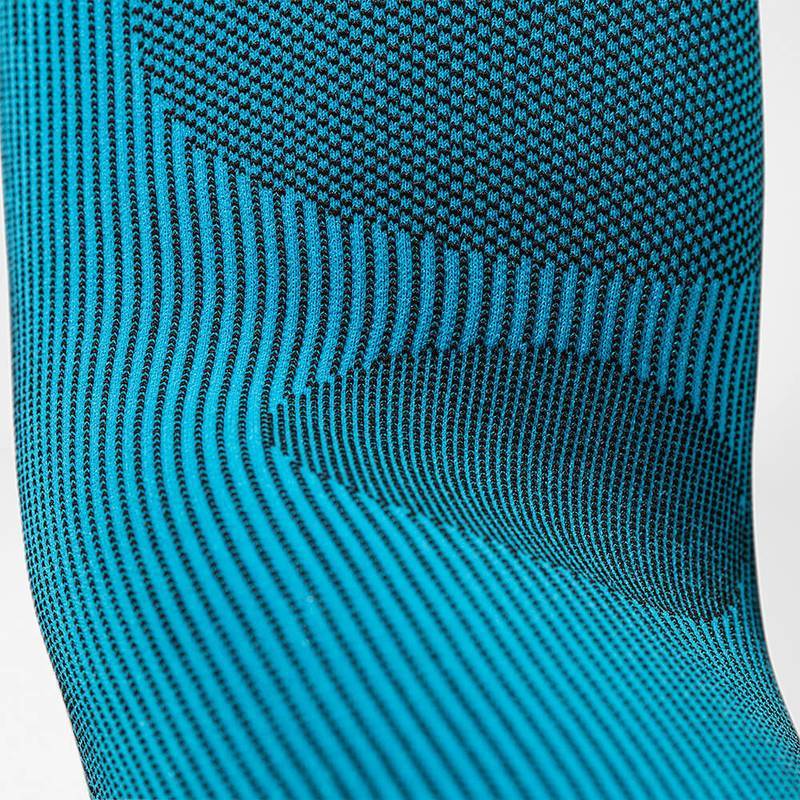
Feature: Bauerfeind's arm sleeves use ultra-fine microfiber fabric, knitted to deliver a consistent 20–30 mmHg compression gradient along the forearm and elbow.
Advantage: This level of compression (the same standard used in clinical venous therapy) actively improves blood flow and oxygen transport to working muscles, while reducing muscle oscillation (micro-vibrations that cause microtrauma) with every swing.
Benefit: You finish a three-hour session with less soreness, less swelling, and more energy left for the next morning. Over time, consistent compression reduces the cumulative tendon stress that leads to pickleball elbow in the first place.


Pickleball Arm Sleeves for Recovery, Not Just During Play
Most players think of arm sleeves as gear you wear during the match. The best players know they're also a muscle recovery tool you wear after it.
Wearing your Bauerfeind pickleball compression sleeve for 1 to 2 hours post-match maintains the circulatory boost that started during play. Blood flow stays elevated, metabolic waste (lactic acid, inflammatory byproducts) clears faster, and the local tissue metabolism in your forearm tendons continues working in your favor. The result: less stiffness the next morning, faster return to full grip strength, and a lower likelihood of cumulative tendon damage that leads to chronic pickleball elbow.
Think of it as a 30-minute cool-down that lasts two hours without any extra effort on your part.
Designed for Players 40+ Who Refuse to Slow Down
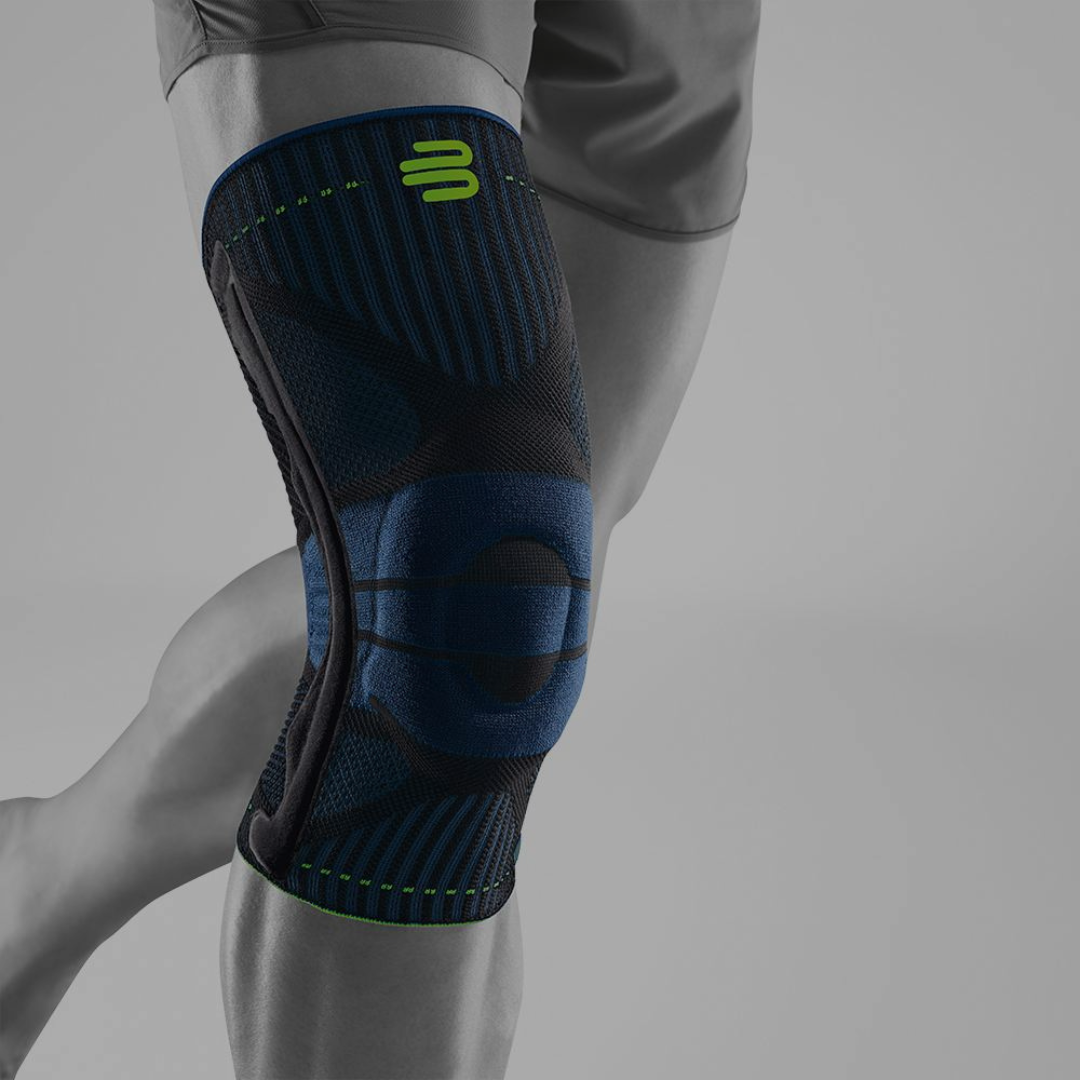
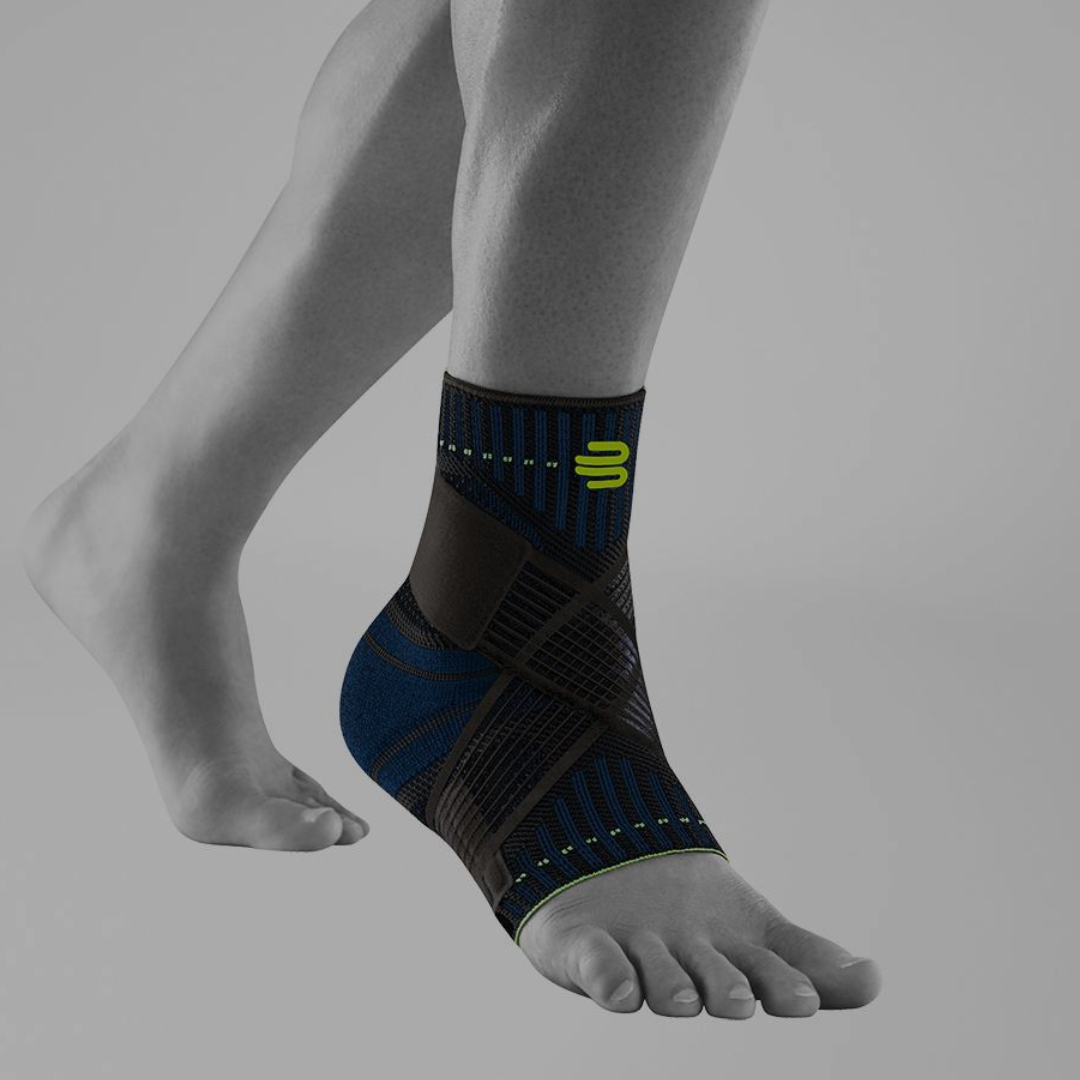
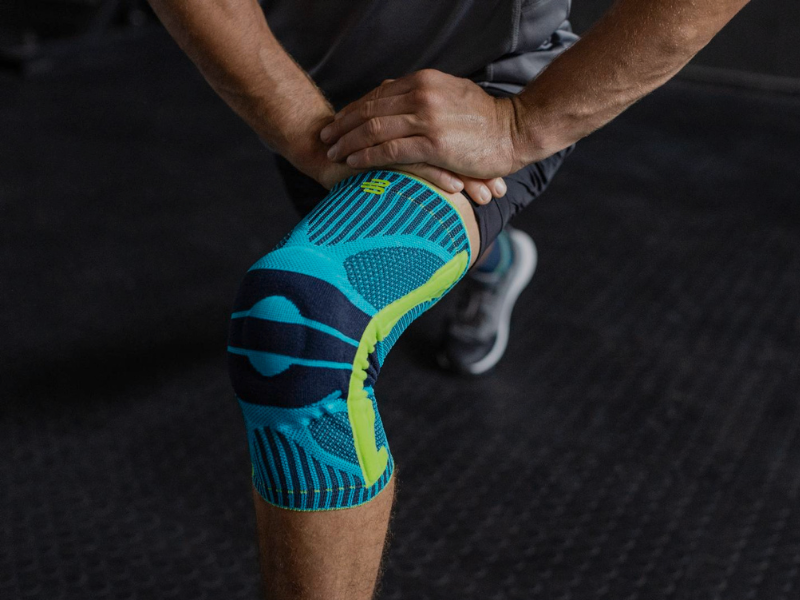
The largest increase in Canadian pickleball participation over the past year has been in the 35–54 age group, according to Pickleball Canada's January 2025 survey. If you're in that range, you already know your body doesn't forgive you the way it used to. Recovery takes longer. Joints that were bulletproof at 30 now ask for a little more care. And it's rarely just one joint, many players managing arm fatigue are simultaneously dealing with knee or ankle strain from the sport's quick lateral movements. If that sounds familiar, Bauerfeind's pickleball knee support and pickleball ankle support are built with the same clinical philosophy as the arm sleeve: graduated compression, anatomical padding, and German engineering designed for players who refuse to stop.
Bauerfeind's compression arm sleeves address the arm side of that equation with precision. The 20-30 mmHg compression compensates for the reduced vascular elasticity that comes with age, maintaining the oxygen delivery that younger muscles get for free. The Dual Pad technology protects tendons that have accumulated years of sport-specific stress. And the Grip Technology means you never have to choose between adequate support and freedom of movement.
You're not managing decline. You're optimizing longevity.
Pickleball Arm Sleeves vs. Elbow Brace : Which Do You Need?
Not sure whether you need a full compression sleeve or a targeted elbow brace? Here's a clear breakdown:
| Product | Arm Sleeve | Elbow Brace |
|---|---|---|
| Best for | Prevention + mild to moderate pain | Moderate to severe injury |
| Coverage | Full forearm + elbow | Targeted elbow only |
| Wearable during play | Yes | Yes |
| Post-match recovery | Yes, highly effective | Limited |
| Dual Pad tendon massage | No | Yes |
| Bauerfeind option | Compression Arm Sleeve | Sports Elbow Support |
If you're already experiencing significant pickleball elbow pain that limits your range of motion, the Sports Elbow Support may be the stronger starting point. For players in prevention mode or managing mild discomfort, the compression arm sleeve offers broader protection and greater versatility. When in doubt, Bauerfeind's expert chat support can guide you to the right product for your specific situation.
Ready to Protect Your Game?
Over 1.54 million Canadians are playing pickleball and the ones who keep playing year after year are the ones who invest in their recovery, not just their equipment. Bauerfeind's pickleball arm sleeves deliver German-engineered, medical-grade protection designed to keep you on the court longer, with less pain and faster recovery.
Try it risk-free for 30 days. If it's not right for you, return it for a full refund, no questions asked.
FAQ
Why are Bauerfeind compression sleeves more expensive than generic ones?
Bauerfeind sleeves use medical-grade graduated compression and advanced 3D knit technology, not just tight fabric. They’re anatomically designed, made in Germany, and built to deliver precise support, better durability, and real performance benefits compared to generic sleeves.
Is 20–30 mmHg compression safe for pickleball players?
Yes. 20–30 mmHg is the standard therapeutic range used in sports medicine for active use. It's firm enough to deliver measurable circulatory and structural benefits, but entirely safe and comfortable during high-intensity play. If you have a vascular condition or are under medical care, consult your physician before use.
Can I wear my compression sleeve after the game for recovery?
Absolutely and it's encouraged. Wearing the sleeve for 1 to 2 hours post-match maintains the circulatory benefit started during play and accelerates tendon recovery. Many players find this post-match protocol significantly reduces next-day stiffness.
How tight should compression sleeves feel?
They should feel snug and supportive, but not restrictive or painful. You’ll notice firm compression around the calf, but you should still be able to move freely and comfortably.
How do I choose the right size?
To ensure optimal performance and comfort, it’s important to follow the product-specific measurement charts and instructions on each Bauerfeind Sports product page. Our products are anatomically designed and rely on precise measurements to guarantee the correct fit. The right size means optimal compression, stability, and freedom of movement so your gear supports you exactly as it should.
How do I care for my compression gear?
Bauerfeind Sports Compression Sleeves and Socks are machine washable. Use cold water on a gentle cycle with liquid detergent (no bleach or fabric softener). Lay flat to air dry; do not tumble dry or hang, as it can stretch the fabric. Regular washing helps maintain compression and performance.