Most cycling knee pain comes not from the act of cycling but from how your bike fits you. Knee pain is the second most common cycling overuse injury (after lower back pain), affecting an estimated 36 to 62 percent of cyclists at some point in their cycling careers. When you can identify the location of the pain (front, back, inside or outside of the knee), the underlying cause and the right fix usually become obvious.
This guide covers each pain point, explains when cycling isn't the issue, and describes the bike fit tweaks, strengthening work, and joint support that most riders need to get back to pain-free miles.
Key Takeaway
- Knee pain when cycling can be divided into four zones (front, back, inner and outer) and each zone points to a different cause.
- Cycling rarely aggravates knee pain. Most cases have some connection with bike fit or a training spike, not the sport itself.
- Rest by itself rarely cures it. Bike fit correction, targeted strengthening and joint support usually have a faster effect.
- Pain localised to one knee usually suggests a fit or muscular imbalance on that side rather than a structural injury.
What Is Causing Your Knee Pain Cycling?

Most cycling knee pain can be broken down into one of four zones, and the location is the fastest way to narrow down the cause. Anterior (front) pain is the most common type of knee pain, accounting for 58 percent of all knee pain cases reported by cyclists in a cross-sectional study. Posterior, medial and lateral pain point more specifically to fit or muscle problems. Work your way down through each zone matching your symptoms to a likely cause before working to fixes .
Anterior (Front of the Knee) Pain
The most frequent complaint cyclists have is pain at the front of the knee, known commonly as patellofemoral pain syndrome. Usually it's caused by a saddle that is too low, which forces the knee into more flexion and puts extra strain on the kneecap with each pedal stroke. The problem is exacerbated by pushing high gears at a low cadence. A little higher saddle and a higher cadence often brings a lot of relief in a few rides.
Pain in the Back of the Knee
Posterior knee pain is common when the saddle is too high with the hamstrings overstretching at the bottom of each pedal stroke. Riders typically describe it as a dull ache that occurs late in longer rides. Usually if you lower the saddle a little and add some hamstring mobility work it will resolve.
Inner Knee (Medial) Pain
Pain on the inside of the knee is frequently due to cleats that are too externally rotated or a saddle that is too narrow for the rider's natural stance width. This places a lot of stress on the structures inside the joint such as the medial collateral ligament especially on climbs or hard efforts. The most reliable fix is a professional bike fit, which will check cleat float and stance width.
Lateral / ITBS pain of the outside of the knee
Pain on the outside of the knee is usually a sign of IT band syndrome (ITBS) where the iliotibial band rubs against the outside of the knee with each pedal revolution. Weakness in the hips and glutes is a common underlying cause that allows the knee to drift inward during the pedal stroke. Studies of cyclists with knee pain have observed increased knee adduction and changes in the activation of the thigh muscles that control the kneecap, providing further support for the importance of hip and glute strength for prevention.
Can Biking Make Knee Pain Worse?

Many cyclists are afraid that cycling will make their knee pain worse, but it’s much less likely to do so than they think. In fact, it may even protect your knees in the long term. A large study of data from the Osteoarthritis Initiative found that people who cycled throughout their lives had a lower prevalence of frequent knee pain and knee osteoarthritis, with the benefit seeming to accumulate over time. But this does not mean that it is safe to push through sharp or worsening pain. What it means is, the sport itself is rarely the enemy. Overuse, a training spike, or a fit issue are almost always the enemy.
One Knee Hurts, But Not the Other? What It Usually Means
By itself, pain in one knee is not a red flag for structural injury. In fact, it’s much more likely that the problem is some minor asymmetry, such as a slight leg length discrepancy, a difference in how your cleats are set between your left and right shoe, or a muscle imbalance you’ve brought over from some other activity. The first practical step is to check the cleat position, the wear patterns on the shoes and the saddle level between both sides. If the asymmetry is still not improving after a fit check, a physiotherapist can then look for a true strength or mobility deficit between your two legs.
How Long To Rest From Cycling Knee Pain?
Complete rest is seldom the fastest route back to the bike, and for most riders is not even required. Mild to moderate pain usually resolves with a temporary reduction in ride intensity and duration for one to two weeks, in conjunction with correction of the underlying fit issue. Sharp pain or pain that does not improve with less load or has swelling or instability needs a proper assessment first. There are many possible causes of knee pain and it would be good to have a physiotherapist or sport medicine physician confirm what you are dealing with before you decide how much to cut back.
How to Get Rid of Knee Ligament Pain from Cycling Quicker
Knee pain can be caused by ligament damage, most often to the medial collateral ligament. The best way to heal is to get to the root of the strain first, and then rebuild strength around the joint. If you return to the bike with the same saddle position or cleat angle that caused the strain, rest alone doesn’t help much. The three actions below work together to deal with both the mechanical cause and the muscular support needed by the knee.
Bike Fit Changes to Alleviate Pressure
Most of the mechanical load that causes knee pain is related to saddle height, fore-aft position and cleat angle. A properly documented bike fit (preferably verified by a professional) changes these variables to your specific anatomy, not a generic setting. Problems of over-use in cyclists are consistently reduced when riders use lower gear ratios at a higher cadence, so combining a fit correction with a cadence check compounds the benefit.
Cyclists’ Strengthening Workout
Weak glutes and hips are one of the most common findings in cyclists with knee pain, particularly lateral knee pain from ITBS. Clamshells, single-leg glute bridges and side-lying leg raises, done two to three times a week off the bike, will correct the inward knee drift that drives lateral and anterior pain. Quads and hamstrings should be developed in balance, as overdeveloped quads in relation to hamstrings is a known contributor to anterior knee pain.
The Importance of Support and Compression in Recovery
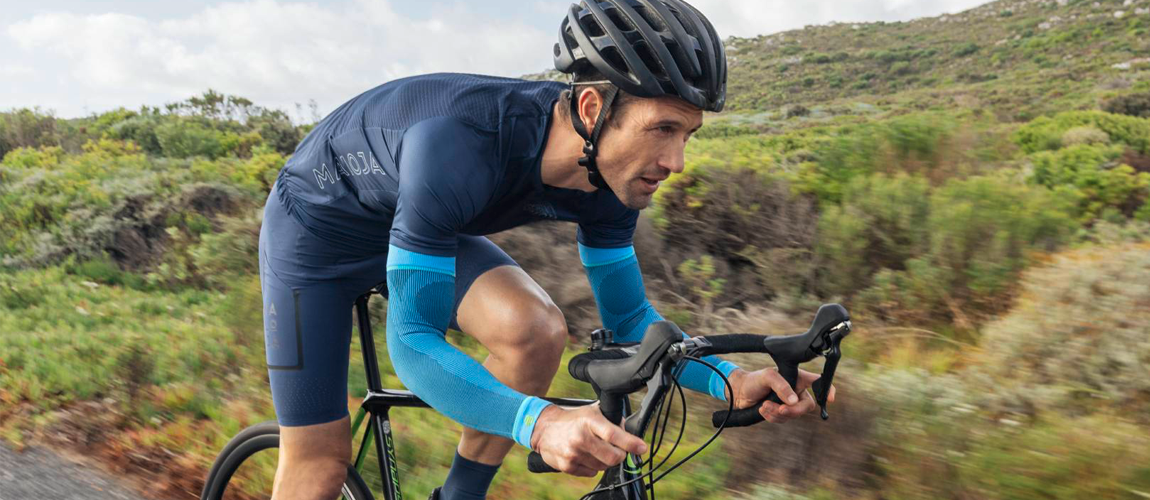
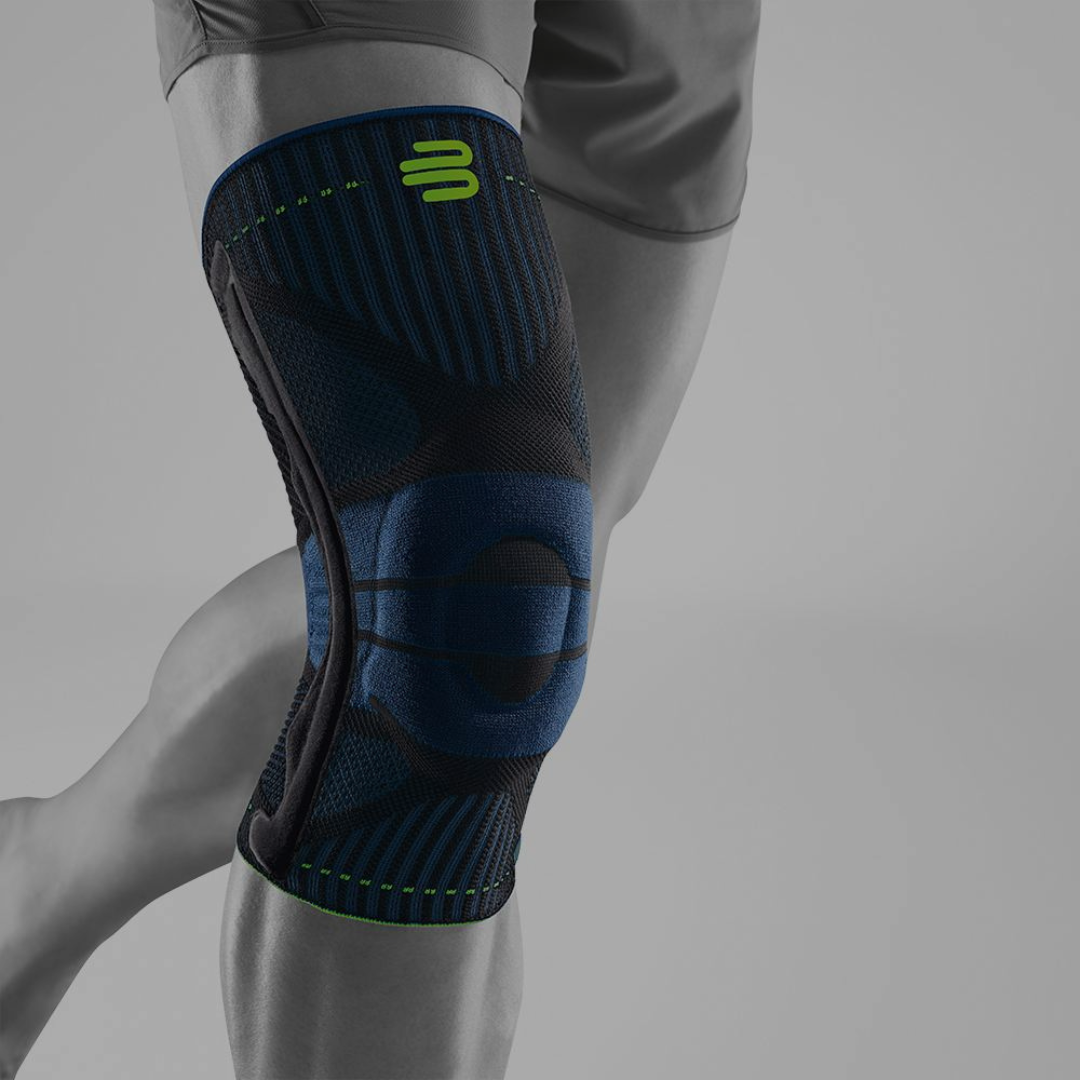
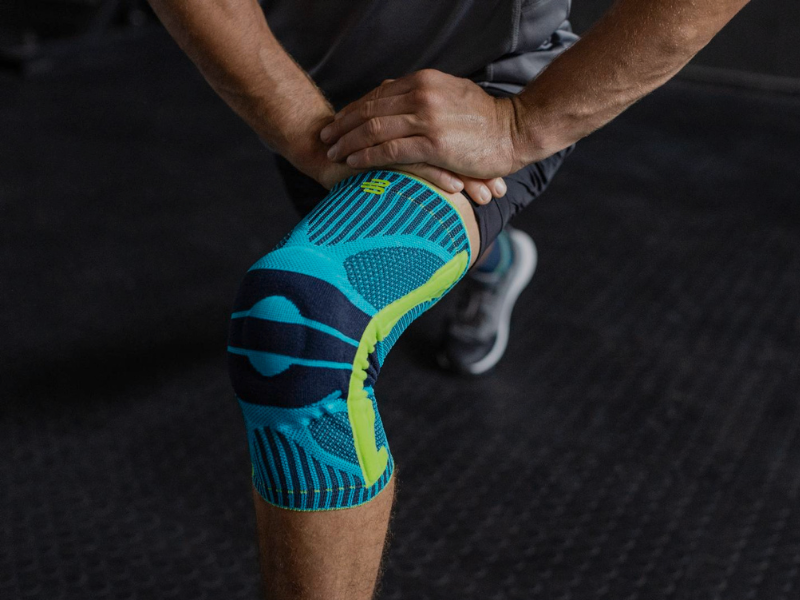
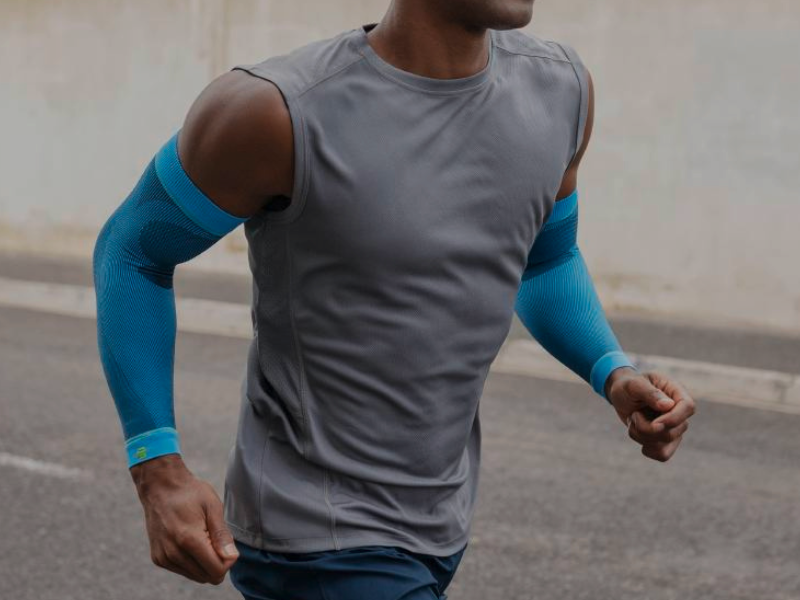
Targeted compression and core support are supportive measures during recovery, but not a substitute for fixing the underlying cause. Bauerfeind Sports compression sleeves for cycling provide focused pressure to stimulate circulation and help reduce muscle vibration on longer rides, easing some of the load your knee takes on as you work to correct your fit. The Sports Knee Support for cycling features an anatomical Omega Pad to guide the kneecap and spread the pressure more evenly across the joint for riders with ongoing pain. Neither replaces a proper bike fit or a physiotherapist’s assessment, they complement the recovery process.
How a Pro BMX Rider Shields His Knees from High Impact Stress
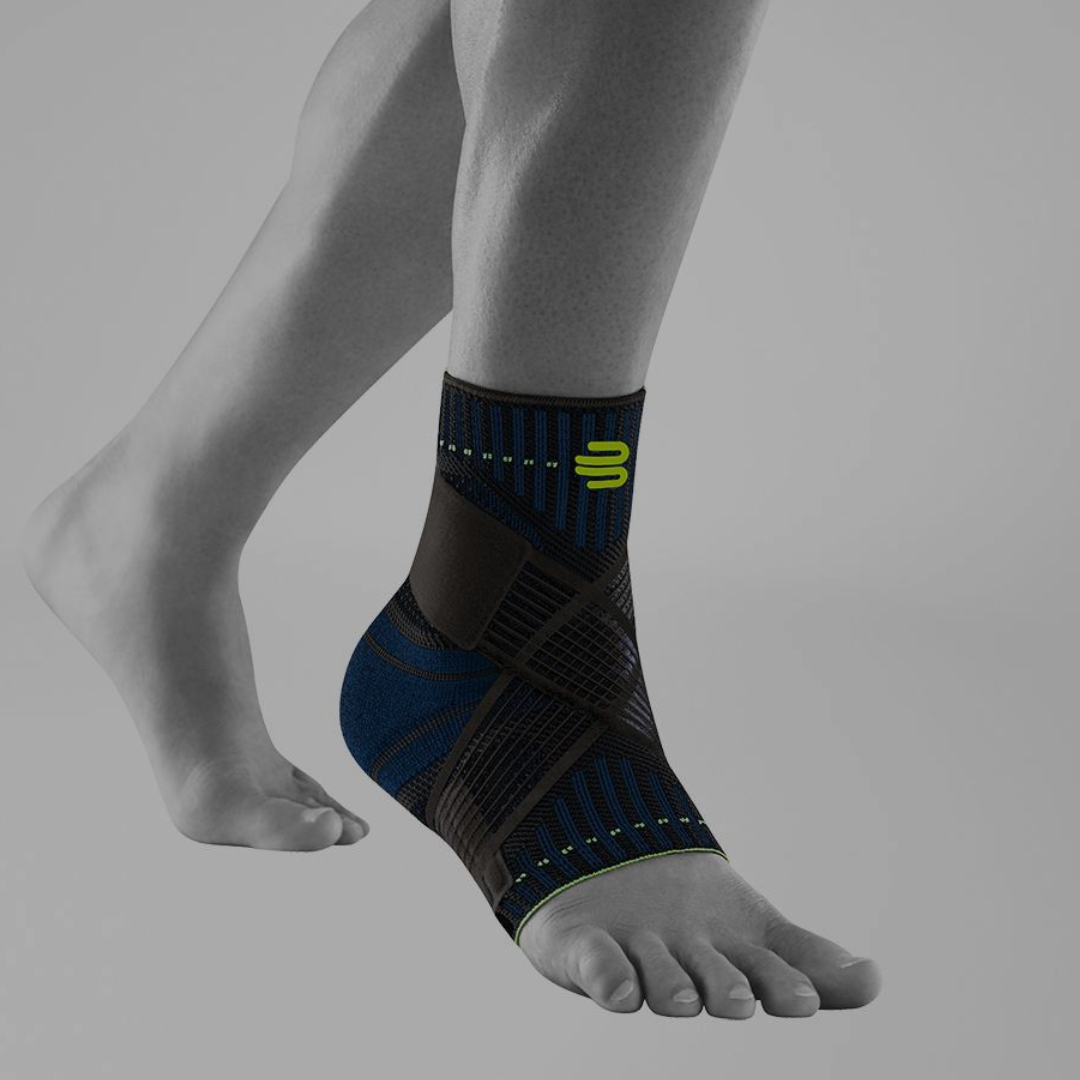
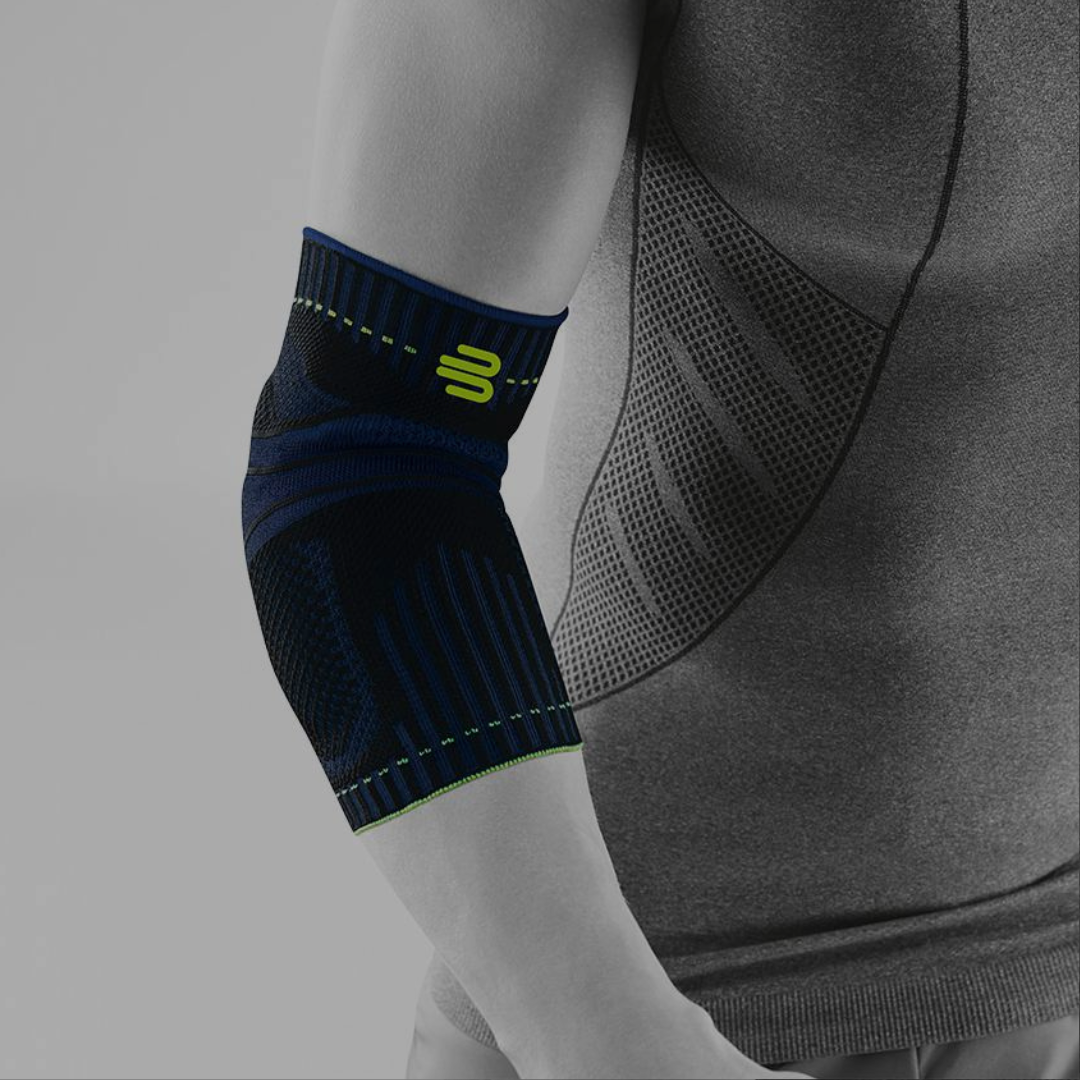
BMX riding is a much more extreme version of the same repeated joint strain that road and gravel cyclists experience, but through hard landings and constant impact rather than a repetitive pedal stroke. Quebec professional BMX racer Kevin Fabregue trains and races in Bauerfeind Sports Compression Knee Sleeves, as well as the Ankle Support Dynamic and Compression Arm Sleeves, to help protect his joints through that load. "As Kevin says: "When you want to do the best tricks in the sport you have to have the best company and products to protect yourself."
His approach is not about healing from an injury that has already occurred; it’s about prevention. It demonstrates how riders under serious stress on the joints build support into training before pain becomes an issue. This is just as true of a cyclist who does long rides on the weekends. You can read more of his story on the Bauerfeind Sports cycling page.
Cycling Knee Pain Chart: Location, Cause & Fix at a Glance
| Pain Location | Likely Cause | First Fix to Try |
| Front (Anterior) | Saddle too low, high gear at low cadence | Raise saddle slightly, increase cadence |
| Back (Posterior) | Saddle too high, hamstring overstretch | Lower saddle in small increments, add hamstring mobility |
| Inside (Medial) | Cleats angled outward, narrow stance | Professional cleat and stance width check |
| Outside (Lateral / ITBS) | Weak hips and glutes, inward knee drift | Hip and glute strengthening, cleat check |
When to Visit a Doctor
Most cycling knee pain is well treated with a fit correction and some targeted strengthening over a few weeks. If the pain is sharp rather than dull, if it is accompanied by swelling or clicking or a sense of instability, or if it has not improved after two to three weeks of reduced riding and fit adjustments, see a physiotherapist or sport medicine physician. This article is for general educational purposes only, not as a diagnosis, and cannot substitute for an in-person assessment of your specific knee and riding position.
Your Questions About Knee Pain Caused by Cycling
Why does my knee hurt on the inside when I bend it cycling?
Inner knee pain during cycling is most often caused by cleats positioned too far outward or a saddle that is too narrow for your natural stance. This puts a strain on the structures on the inside of the joint including the medial collateral ligament. Bike fit check of cleat angle and stance width is the most direct solution.
Can I cycle with a sore knee?
Softer to moderate pain that diminishes with less intensity can often be handled while riding if the root fit issue is resolved. If you feel sharp pain, swelling or instability, stop and get checked before continuing. Cycling itself rarely causes long term damage, overuse and fit issues do.
How do you get rid of cycling knee pain quickly?
Most riders find the quickest relief to be adjusting the mechanical cause, usually saddle height, saddle position or cleat angle. It's better to reduce the intensity of the ride to make that correction than to stop altogether. If you have pain after an adjustment, then see a professional.
Can a Knee Brace or Compression Sleeve Help Cycling Knee Pain?
Joint support and compression can help ease the load on the knee and help with circulation during recovery, but they work best when used with a proper bike fit correction, not instead of one. Bauerfeind Sports knee supports have an anatomical Omega Pad that helps to spread pressure more evenly through the joint. They are a support tool, but not a cure for the underlying cause.
Is IT band syndrome (ITBS) common in cyclists?
ITBS is a well-known cause of lateral knee pain in cyclists, often due to weak hip and glutes, allowing the knee to drift inwards during the pedal stroke. The most common recommendation for treatment and prevention is to strengthen the hips and glutes.
How can I tell if my saddle height is the cause of my knee pain?
If the pain in the front of the knee is progressive and especially when climbing or with hard efforts, it is usually because the saddle is too low. Pain behind the knee means the opposite: a saddle that’s too high. A professional bike fit measures your leg length and pedal stroke to get the right height for your body.
After a ride, should you ice or heat a sore knee?
Generally, if the knee is warm, swollen or acutely sore after a ride, ice is recommended for the first 24 to 48 hours to help decrease inflammation. Once the acute soreness has subsided, heat may help alleviate stiffness before your next ride. If pain persists for more than a few days despite these measures, the next step is a professional assessment.
Sources
- Physiopedia, Cyclist's Knee :https://www.physio-pedia.com/Cyclist's_Knee
- PMC, Does Cycling Training Reduce Quality of Functional Movement...:https://pmc.ncbi.nlm.nih.gov/articles/PMC9566619/
- PMC, Knee problems and its associated factors among active cyclists :https://pmc.ncbi.nlm.nih.gov/articles/PMC5248430
- PMC, Bicycling over a Lifetime Is Associated with Less Symptomatic Knee Osteoarthritis (Osteoarthritis Initiative) :https://pmc.ncbi.nlm.nih.gov/articles/PMC11326993/
- PMC, a systematic review of the biomechanical factors associated with knee pain in cyclists :https://pmc.ncbi.nlm.nih.gov/articles/PMC5973630/
- Springer, Common Cycling Injuries, Sports Medicine :https://link.springer.com/article/10.2165/00007256-199111010-00004