Knee supports and braces for volleyball
3 products
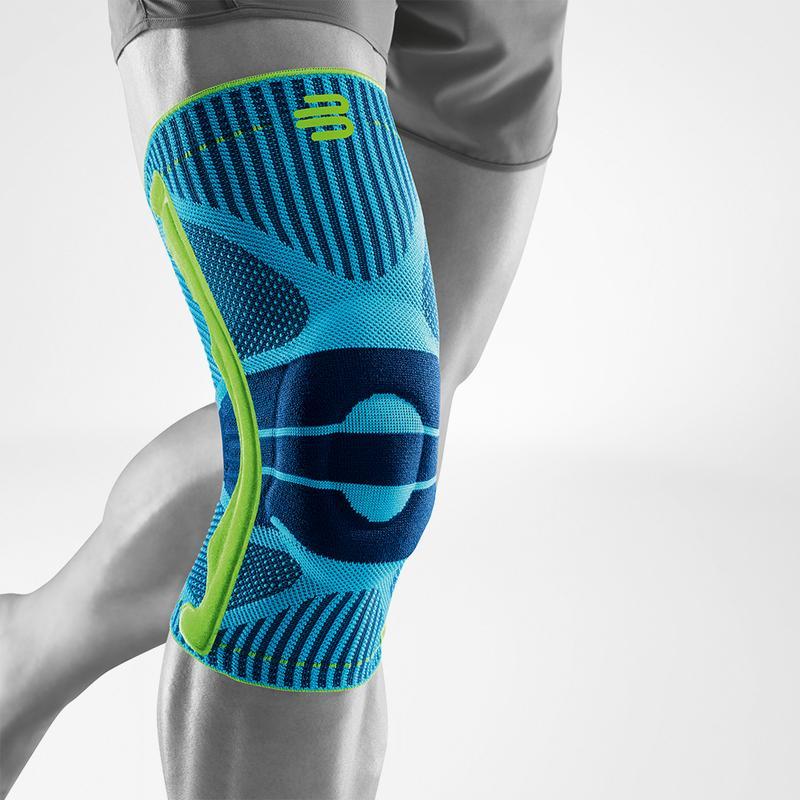
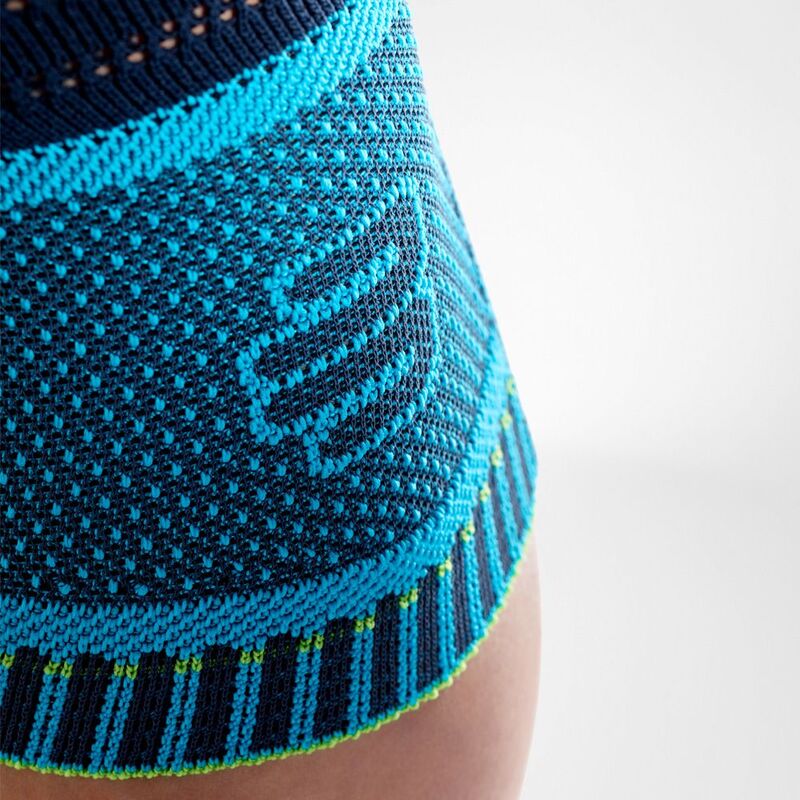
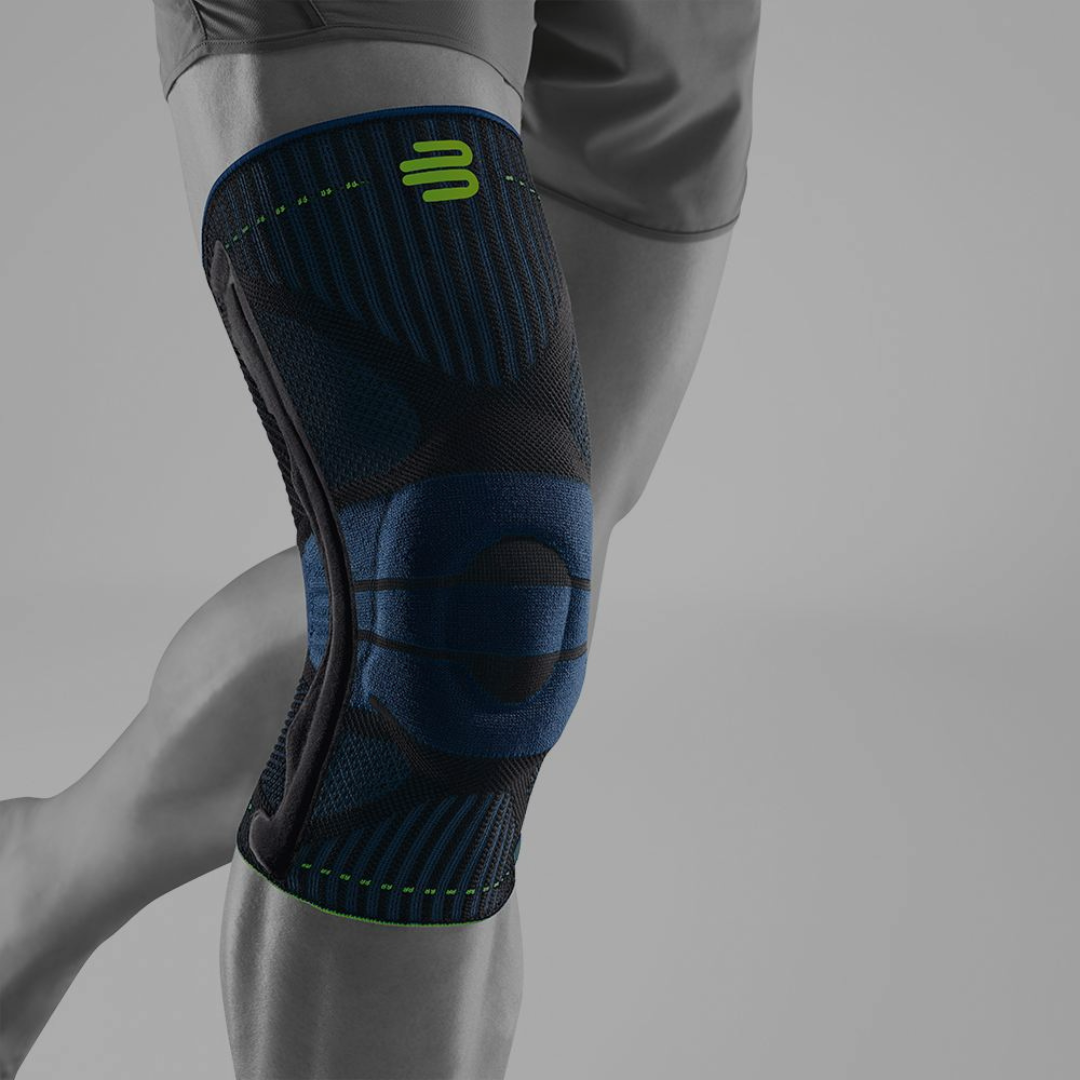
The best knee brace for sports - lightweight, comfortable, durable and washable.
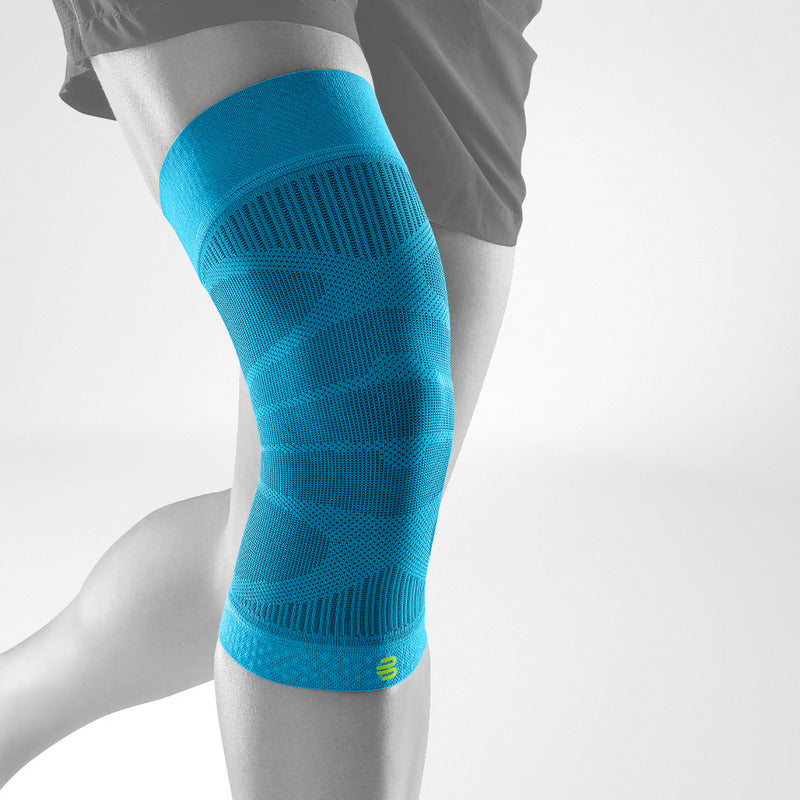
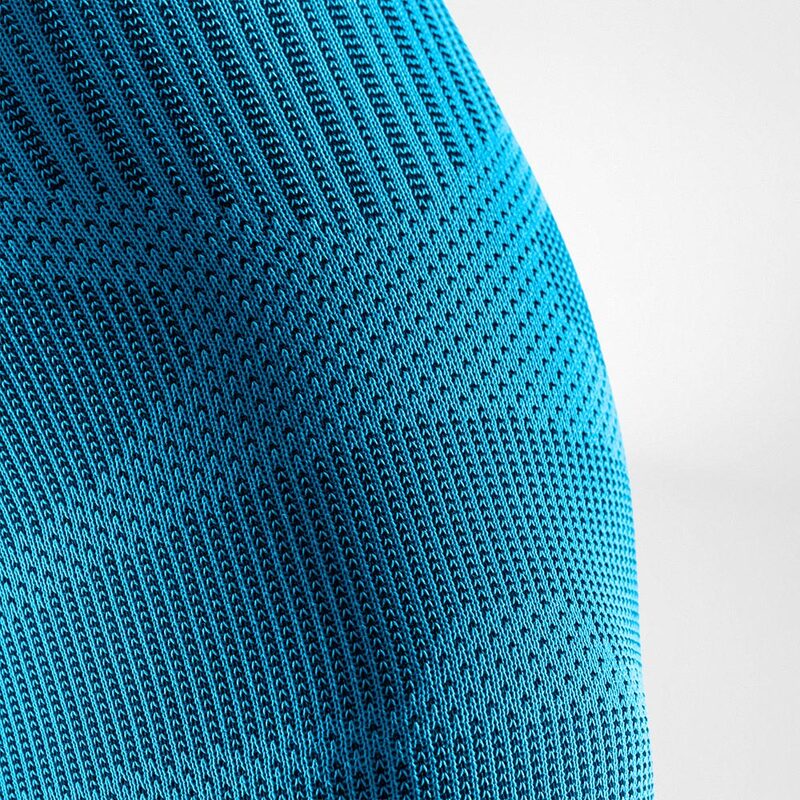
Compression knee sleeve for improved muscle control - lightweight, comfortable, durable and washable.
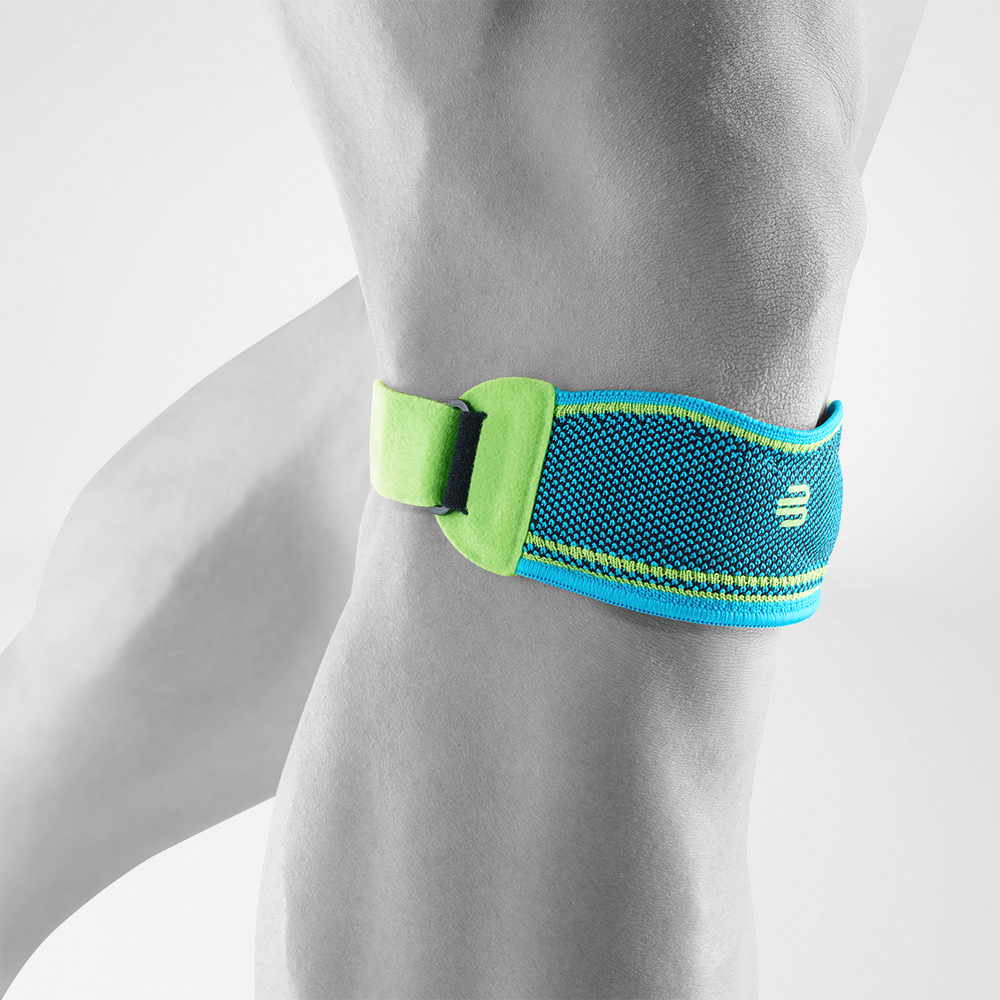
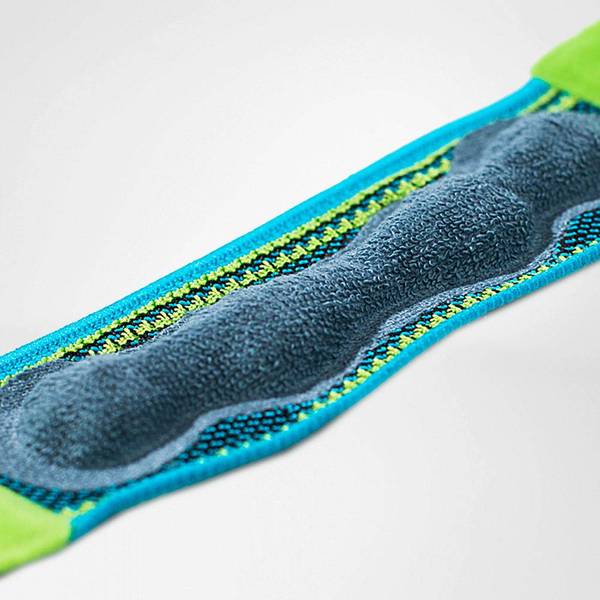
The best patella band for the knee - individually adjustable, lightweight, comfortable and durable.
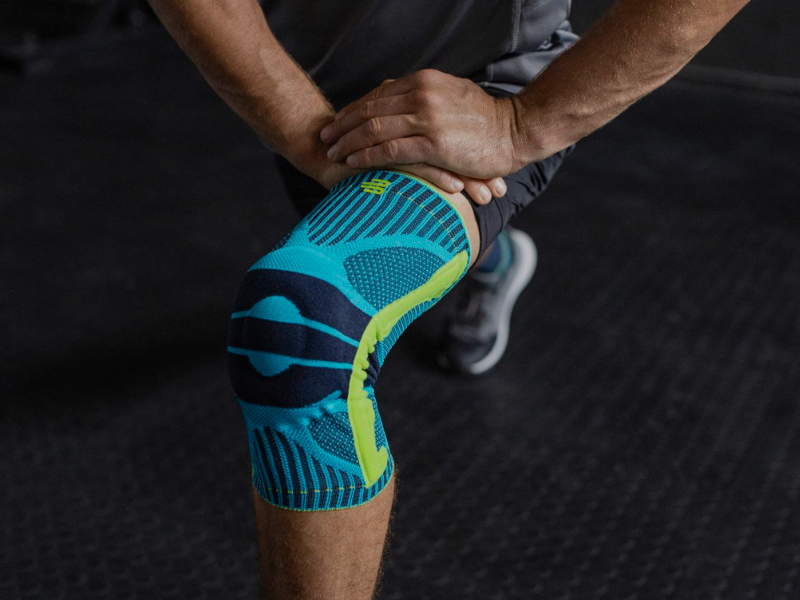
The right volleyball knee support depends on how your knees take the load: a full support for stability, a sleeve for light compression, or a strap for targeted pressure below the kneecap. Bauerfeind makes all three in Germany, and each one is designed for repeated jumps, blocks and landings. Browse the collection below, then use the guide to match a product to your game.
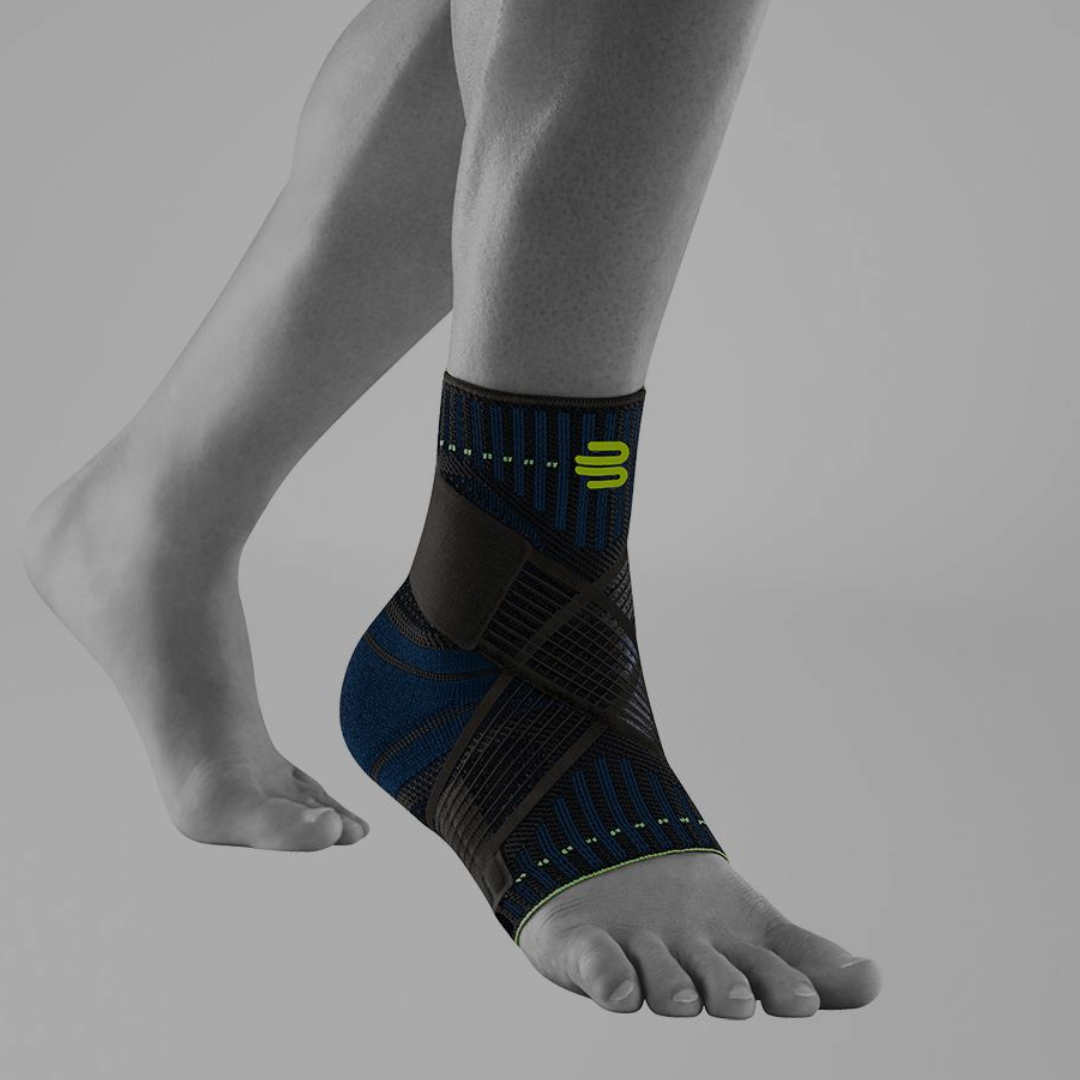
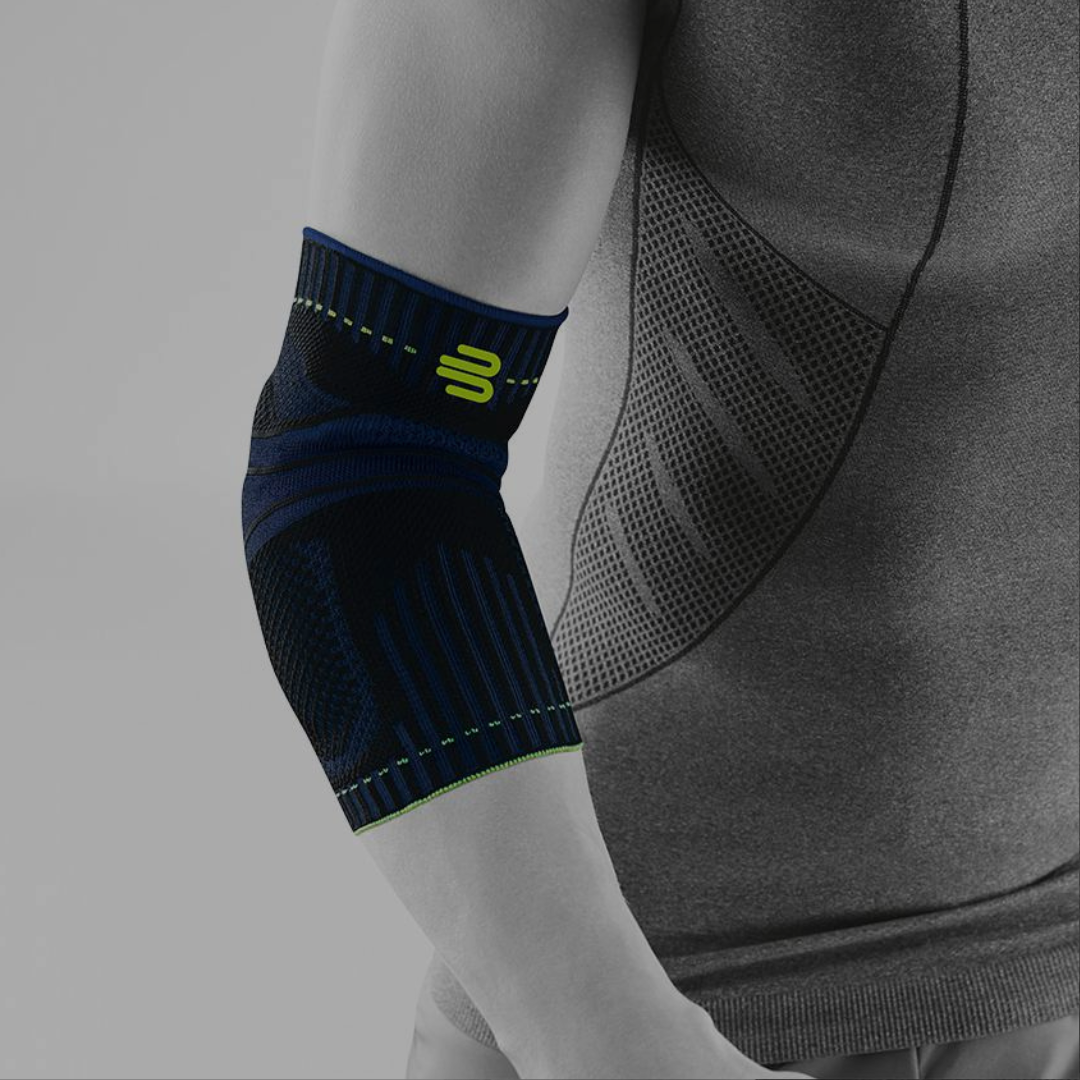
Every order comes with a 30-day risk-free trial, free returns and free shipping over $125. Knees are only part of the picture, so you can also explore ankle support for volleyball and elbow support for volleyball, or visit our full volleyball gear page for back and recovery products.
Does knee support help volleyball players?
A knee support can help volleyball players move with more stability and control when their knees take repeated jumping and landing loads. It does not replace a diagnosis or a rehab plan, but it gives the joint guidance and feedback at the moments it works hardest. In volleyball, those moments never stop.
Patellar tendinopathy, often called jumper’s knee, is common in the sport. A 2023 systematic review in the Orthopaedic Journal of Sports Medicine reported a pooled prevalence of 24.8% in volleyball players, compared with 18.3% in athletes overall. Blocks, spikes and digs all end in a landing, so the patellar tendon and the kneecap absorb load again and again across a match or a tournament.
A good support is built for that pattern. It stays in place, guides the joint and gives your knee a clearer sense of its position, which is called proprioception. If you already feel pain, see a physiotherapist or a sports medicine doctor first, and use a support as part of the plan they approve.
Knee brace, sleeve or strap: Which one fits your game?
Choose the Sports Knee Support for stability, the Compression Knee Sleeve for light compression and the Sports Knee Strap for targeted pressure below the kneecap. The three differ in structure, feel and price, so the table below sets them side by side. Knee pads are a different category: they protect the knee from floor contact, while these products support the joint itself. Sizing also differs by product, so check our measure and size guide before you order.
| Criterion | Sports Knee Support | Sports Compression Knee Sleeve | Sports Knee Strap |
|---|---|---|---|
| Format | Full knee support | Seamless sleeve (20-30 mmHg) | Adjustable strap below the kneecap |
| Best for | Stability on repeated jumps and landings | Light support and muscle control | Targeted pressure below the kneecap |
| Key technologies | Omega Pad, Grip, 3D Airknit | Seamless Compression, Grip | Patella Pad |
| Choose it if | You want full kneecap guidance | You want compression with a light feel | You want a flat, adjustable option |
Choose the sports knee support for stability under load
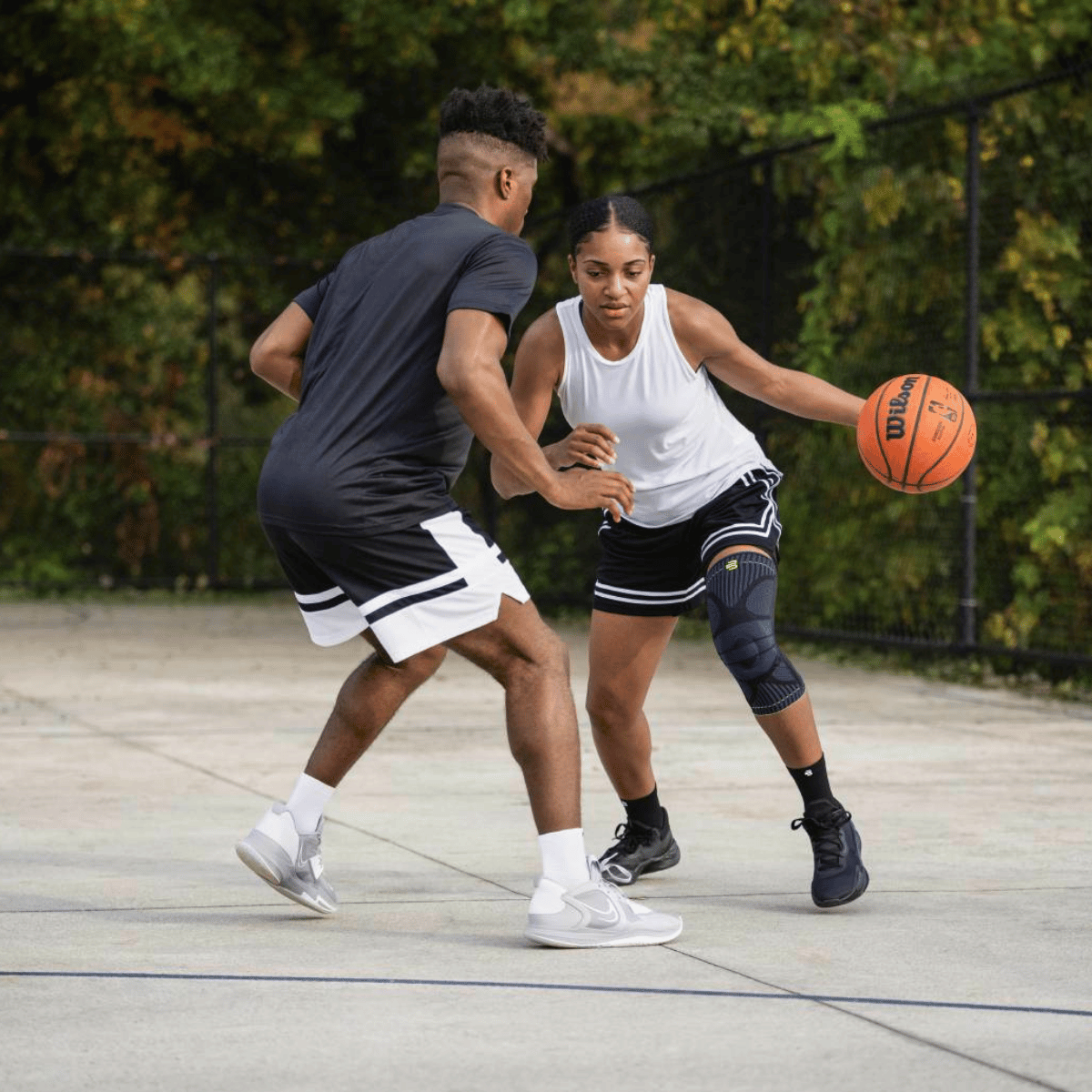
The Sports Knee Support gives you the most structure around the joint. Its Omega Pad guides the kneecap while the compressive knit supports the knee through jumps and landings. At $170, it is a strong fit for hard floors, back-to-back matches and long tournament days.
If your knees feel fine and you mainly want a light layer, the sleeve below may be all you need. Choosing the right level of support is better than choosing the most expensive one.
Choose the compression knee sleeve for light support
The Sports Compression Knee Sleeve delivers moderate compression (20-30 mmHg) in a seamless knit that stays out of your way. It improves circulation and activates the muscles around the knee while allowing full freedom of movement. Comfort zones with reduced compression ease sensitive areas, which helps on long days of play.
At $90, it is the most accessible of the three. It suits players who want a lightweight layer, or who prefer a sleeve to a structured brace. If you like this light feel, you can also browse more compression sleeves for volleyball for other areas of the body.
Choose the sports knee strap for targeted pressure below the kneecap
The Sports Knee Strap is a flat, anatomically contoured band that sits just below the kneecap. Its Patella Pad places four nubbed pressure points on the patellar tendon, and you adjust the compression to your own needs when you put it on. It is designed for longer activities with a lot of running and jumping.
At $110, it is a focused option for players who feel the load right below the kneecap when they jump.
Bauerfeind technologies built for jumping and landing
Five Bauerfeind technologies shape how these knee supports guide, hold and ventilate your knee during a match. Each one answers a specific demand of volleyball: landing force, a support that stays put, long tournament days and a clear sense of knee position.


FAQ
How do I find the right size for my knee support?
Each product is measured differently, so measure before you order. For the Sports Knee Support, bend your knee slightly and measure 14 cm above and 12 cm below the center of the knee. For the Compression Knee Sleeve and the Sports Knee Strap, measure just below the kneecap, and if your numbers fall between two sizes, ask our experts in chat before you choose.
How do I wash my knee support after sweaty matches or a day on the sand?
Machine wash it in cold or cool water on a gentle cycle, using liquid detergent without fabric softener or bleach. Lay it flat to air dry and skip the dryer, which can damage the knitted fabric. Regular washing helps the knit keep its compression, and each product page lists its own care instructions.
Should I wear a knee support for every practice or only for matches?
The deciding factor is your load. A 2018 systematic review in the British Journal of Sports Medicine reported limited or conflicting evidence that a larger volume of jump training and more sets played per week are modifiable risk factors for patellar tendinopathy. Discuss your own training and match schedule with a physiotherapist before deciding.