
Compression clothing is good for working out because of what it does after your workout, not during. Graduated compression has been linked to less muscle soreness and improved perceived recovery, but the evidence for a real increase in strength or speed remains thin. If you've had the sensation of feeling more supported in a compression shirt or compression tights while going through a heavy set, here's what's really happening and what's still marketing spin.
Key Takeaway
- Compression clothing supports circulation and reduces muscle vibration when exercising, and studies have connected it to less soreness and faster recovery after training.
- Evidence that it increases real-time strength or power is much weaker. Compression aids recovery, but it’s not going to help you lift more or run faster on the spot.
- It won’t help you lose belly fat. Compression garments won't burn fat or alter your body composition. They reshape tissue temporarily.
- Do not compress if you have a circulatory disorder, heart condition or are sensitive to synthetic fabric on skin. If you are not sure, consult a doctor.
- Graduated, targeted compression is designed with pressure zones to match certain muscles and is more reliable than a generic tight-fitting fabric.
Does Compression Clothing Really Work?
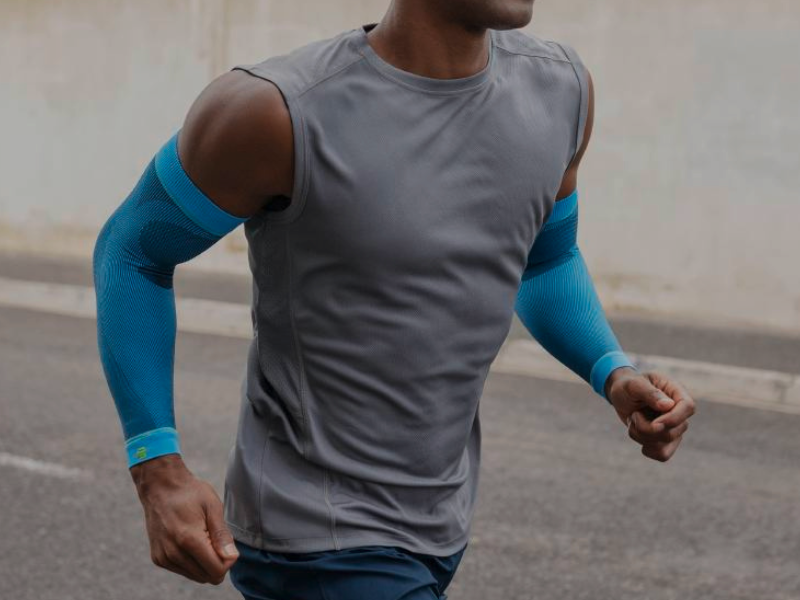
Compression clothing is about mechanical pressure, not the fabric itself. A graduated compression garment is tightest at the extremities and gradually loosens as you move towards the core. It helps with venous return, the flow of blood back toward the heart.
This also reduces muscle oscillation, or the vibration that occurs with each footstrike or rep. That's part of why athletes say they feel more stable and less tired wearing it, even before the recovery benefits kick in.
What the Research Says on Recovery
The strongest evidence for compression clothing lies squarely in recovery, not real-time performance. This is backed up by two independent reviews, directly referenced on Bauerfeind's own compression wear pages, with data instead of marketing speak.
Muscle Soreness and Blood Flow
One of the biggest bodies of evidence collected on compression garments and exercise is a 2021 scoping review in Sports Medicine that collected 183 studies. The reviewers concluded that the evidence for direct performance benefits such as faster times or higher jumps is inconclusive, although the data more consistently supported reduced muscle vibration and a positive effect on the body’s sensorimotor response.
That makes sense, given how Bauerfeind’s 3D Power Dots technology is meant to work: raised knit points that stimulate sensory receptors in the skin, enhancing proprioception and helping athletes stay coordinated as they tire.
How This Looks in Practice
In fact, compression kit earns its stripes in the minutes and hours after a hard session, more than during the set itself. The research shows less muscle oscillation after a workout and athletes who wear compression shirts or compression tights report less soreness the next day.
Consider it a recovery support tool, not a shortcut to a personal best.
Do Compression Garments Build Muscle and Improve Performance?

Compression clothing does not build muscle, and its effect on real-time performance is at best spotty. The honest answer is we need to separate two different questions, does it help you lift or run better right now and does it help you recover for next time?
The Real Truth About Strength and Power
A systematic review and meta-analysis published in 2025 in the journal Life concluded that compression garments resulted in quantifiable gains in muscle strength and power recovery following fatiguing exercise, with the largest effects observed in lower-limb garments such as tights and sleeves (Li et al., 2025). This is a recovery finding, not a performance finding.
The gains came after the fatigue, allowing athletes to recover for their next session, not in the moment by moving more weight on the bar or seconds in a sprint.
Compression: Can It Build Muscle?
No. There is no evidence-based association between compression clothing and hypertrophy, the muscle growth that occurs with progressive strength training. What it can do is help you recover faster between sessions, which indirectly helps you train consistently enough to build muscle over time.
Compression Garments: Myths You Should Know
Not all claims regarding compression clothing are true, and one myth in particular won’t die online.
Is Compression Beneficial for Belly Fat?
No. Compression garments compress and reshape soft tissue for a short period of time, similar to the way tucking in a shirt smooths your silhouette, but it’s gone as soon as you take the garment off. Compression clothing does not burn fat, change your metabolism or body composition.
If you want to reduce belly fat, it’s about the training, the nutrition and being consistent, not what you wear to work out.
When Compression Clothing Should Not Be Worn
Compression clothing isn’t risk-free for everyone. There are a few medical conditions that call for caution before you wear it.
Medical Conditions and Circulatory Problems
Indeed, Bauerfeind’s own compression wear FAQ is quite direct on the topic: People with medical conditions such as arterial disease, heart problems and skin conditions should not wear compression garments, and if you are unsure, you should consult a doctor first. The same general clinical guidance applies, with severe arterial insufficiency and uncontrolled heart conditions being reasons to avoid compression altogether.
That’s not a reason for your average healthy athlete to keep away from compression wear. If you personally have any of these conditions it is a reason to check with a doctor.
Skin Sensitivities and Size Problems
Regardless of your health history, a garment that is too tight can cause problems all on its own. If you feel numbness, tingling or see indentations after taking the garment off, it is too small.
Skin irritation from the synthetic fabric is less common but still something to watch out for, especially during long training blocks or hot weather.
Claim v. Evidence: A Helpful Chart
Here is what the research actually supports, compared to what marketing often implies.
| Marketing Claim | What the Evidence Shows |
| Speeds up recovery | Supported. Reduces perceived soreness and muscle oscillation. |
| Increases strength or power in the moment | Not confirmed. Evidence for real-time gains is inconsistent. |
| Builds muscle | Not supported. No direct link to hypertrophy. |
| Helps lose belly fat | Not supported. Compression does not affect fat loss. |
| Improves circulation during exercise | Supported, especially with graduated, targeted compression. |
How To Pick Compression Clothing For Your Workout

It all depends on where your training stress shows up first. Do you go with a shirt, tights, or both?
Stockings or shirts or both?
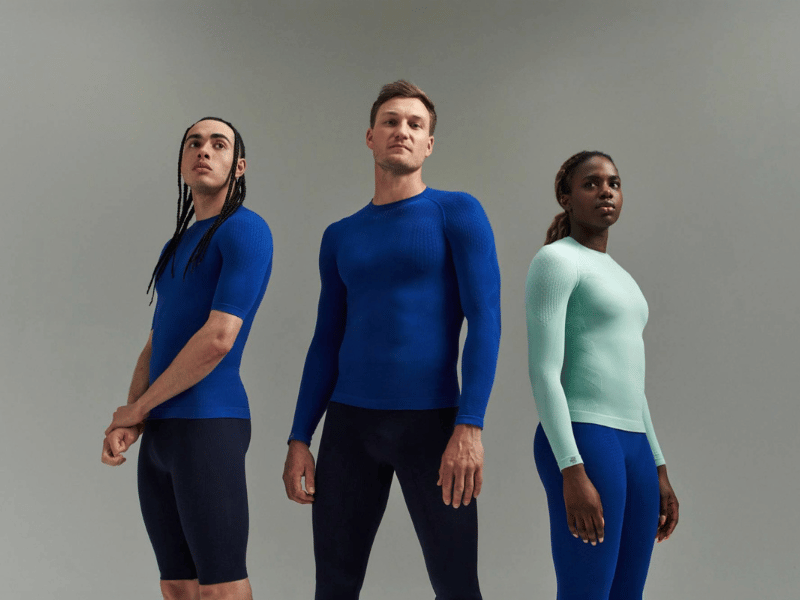
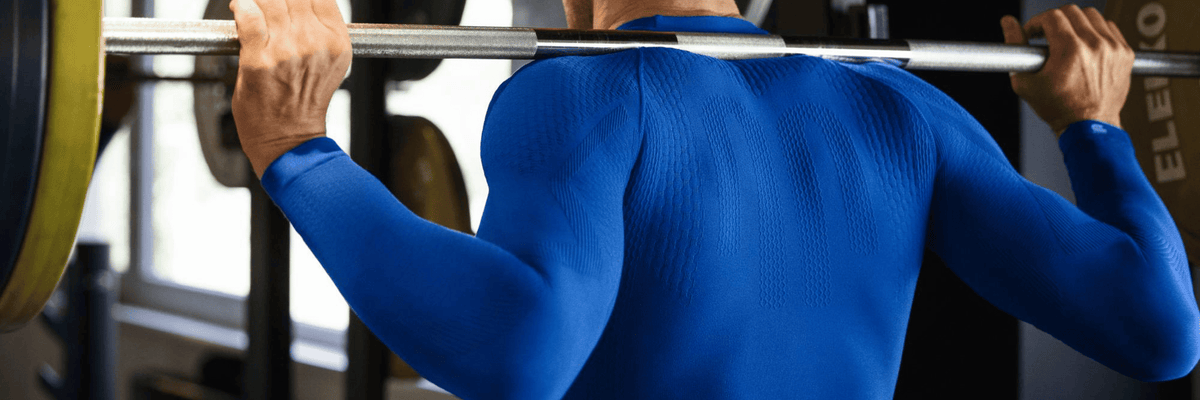
Bauerfeind’s Sports Compression Wear range divides support between the upper and lower body. The compression shirts are centered on the shoulders, chest, back and arms, which is good for lifting, throwing, and other upper-body-heavy training. The compression tights work on the calves, thighs and hips instead, for running, squatting and lower body endurance work.
Most athletes would benefit more from owning both pieces than just one, as they target different muscle groups rather than competing for the same coverage. As with any compression garment, wear each item directly against the skin and don’t wear it over another compression item that covers the same area.
Material and Construction
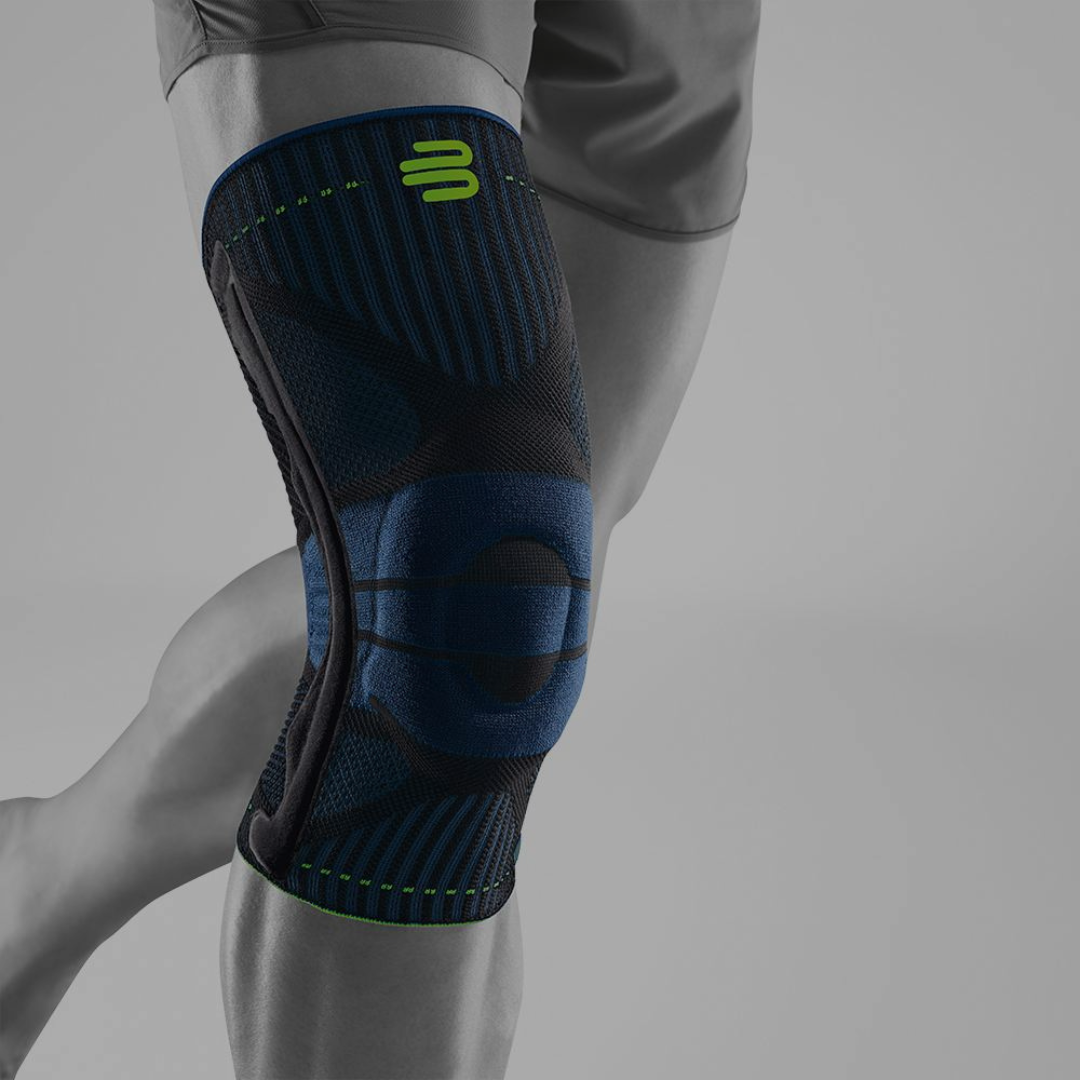
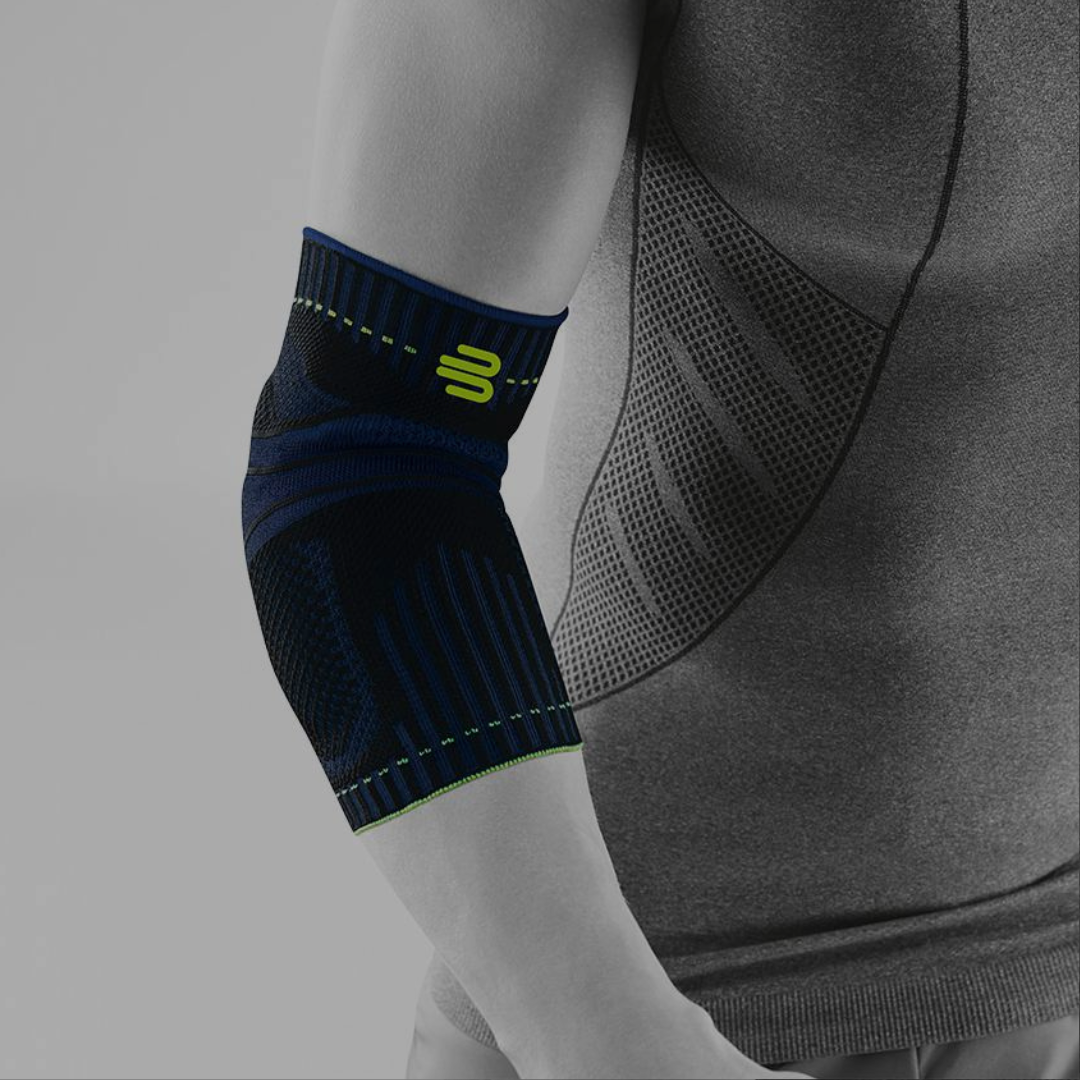
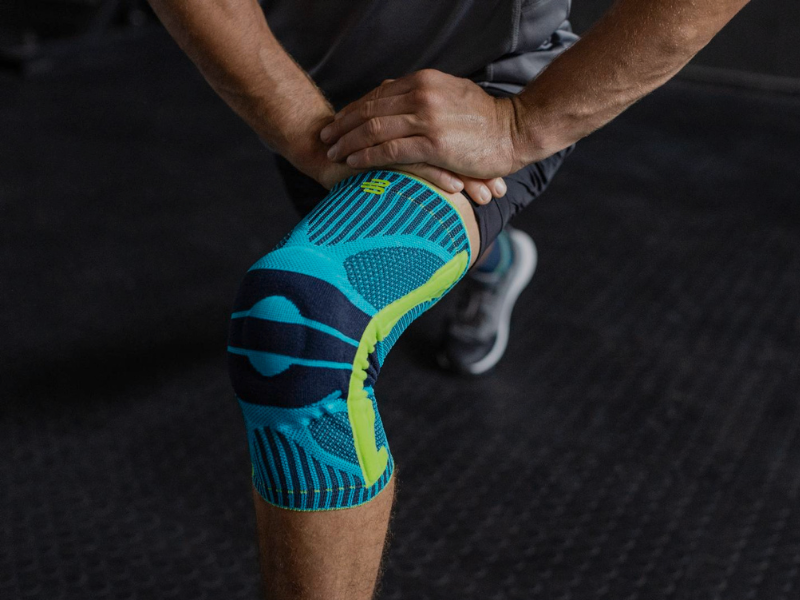
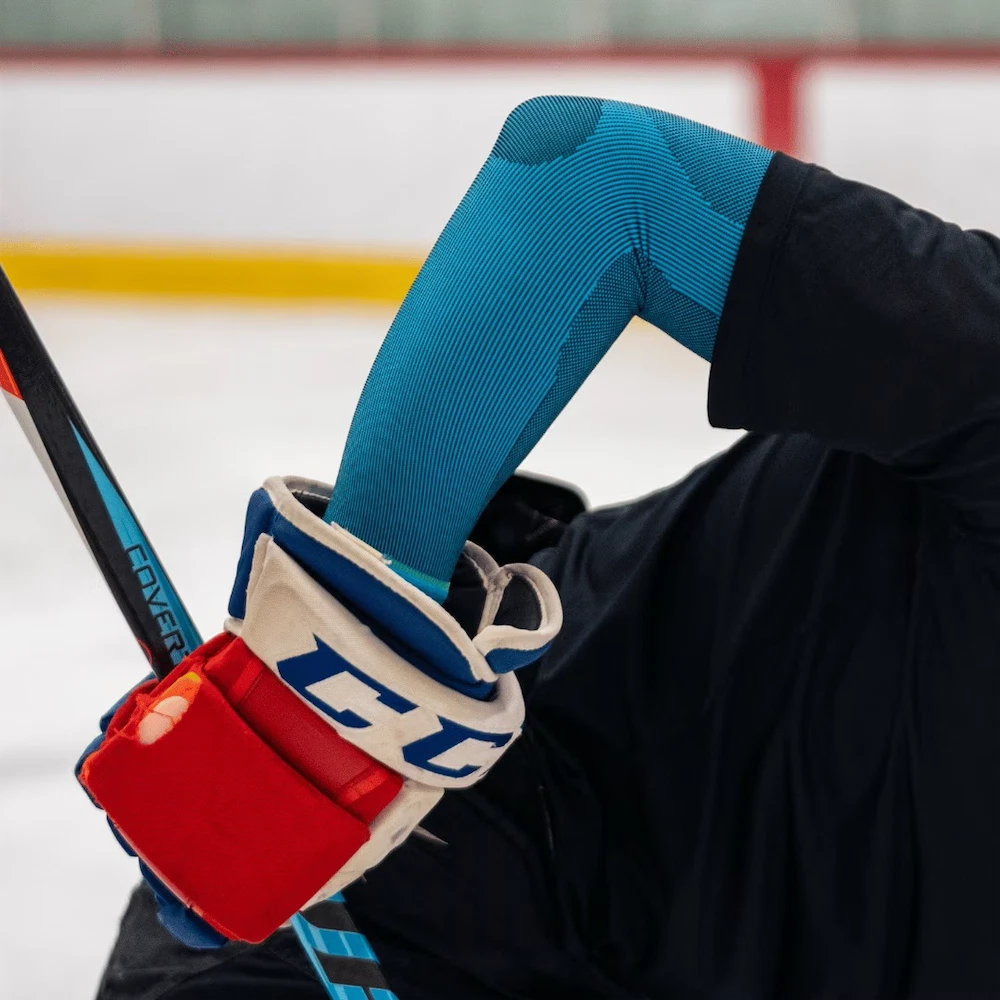
Strength athletes often use compression gear in conjunction with joint-specific support for the knees, elbows, or wrists when preparing for heavy lifts. That setup is rounded out by Bauerfeind’s weightlifting gear line of braces and recovery essentials, designed for the demands of the platform.
Whichever you choose, a compression garment should fit like a second skin, tight enough to provide the pressure gradient but not so tight that you find it hard to breathe or move.
The Bottom Line:
Compression wear is great for working out, but not for the reasons most marketing tells you. It will not build muscle or make you faster, right now. It will not affect belly fat. What it reliably supports is recovery: less muscle vibration during training, and less perceived soreness afterwards, according to two of the larger reviews on the subject.
For most healthy athletes, that recovery advantage is sufficient to add graduated, targeted compression to a training program – either a compression shirt, compression tights, or both.
Your questions about Compression Clothing for Working Out
Does compression clothing help to build muscle?
No. Compression clothing helps circulation and decreases muscle vibration but there is no direct evidence linking it to muscle growth. Strength training and recovery habits are still the real drivers of hypertrophy.
Does compression reduce belly fat?
No. Compression garments do not burn fat or change body composition, but they do shape and temporarily support tissue. When the garment is taken off, any alteration in the appearance is gone.
When should I avoid wearing compression clothing?
If you have a circulatory problem, heart condition or known sensitivity to synthetic fabrics, don’t wear compression clothing. If the garment feels numbing or restrictive rather than supportive, that’s another sign to take it off.
Do I wear compression when I workout?
Yes, for most healthy recreational athletes. It encourages blood flow, can assist with muscle soreness after training, and provides a feeling of steadiness, even if it won’t make you stronger in the moment.”
How tight should compression wear be?
It should be snug and supportive, but not so tight as to limit your movement or leave marks on your skin. If your fingers or toes start to go numb or tingle, the fit is too tight.
Can You Wear Compression Shirt and Tights at the Same Time?
Ya. The two pieces are for different parts of the body so they can be worn together as a full compression system rather than layered over the same muscle group.