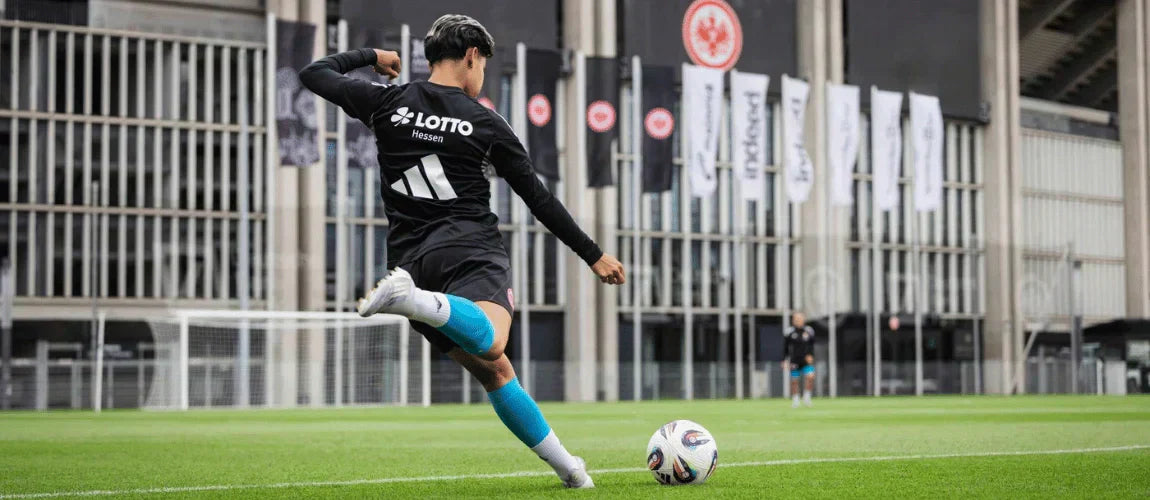
Whether you're chasing a starting position, preparing for your next tournament, or simply looking to improve your game, you've probably asked yourself the same question:
How can I get better at soccer, fast?
The answer isn't spending endless hours on the field.
The world's best soccer players don't rely on talent alone. They improve through purposeful technical training, structured strength and conditioning, intelligent recovery, and consistent injury prevention. Every sprint, pass, tackle, and goal is the result of thousands of deliberate repetitions supported by smart preparation away from the pitch.
Watch any FIFA World Cup match and you'll see incredible athleticism, but what you don't see are the recovery sessions, strength workouts, mobility routines, and performance strategies that make those moments possible. Elite players understand that performance isn't built on match day; it's built during every training session leading up to it.
Whether you're a competitive player, youth athlete, or weekend warrior, you can apply many of these same principles to improve your performance.
Here's how to train smarter, recover better, and develop the habits that help great soccer players become even better.
Key Takeaways
- Master technical fundamentals before advanced skills.
- Build strength and explosive power alongside ball work.
- Improve movement from the ground up by prioritizing foot mechanics.
- Recover with the same commitment you train.
- Reduce injury risk by supporting your knees, ankles, and lower legs.
- Stay consistent: small improvements every week lead to major gains over an entire season.
How to Get Better at Soccer Fast: Master the Fundamentals

Every elite player, from Lionel Messi and Kylian Mbappé to Alphonso Davies, built their success on exceptional fundamentals.
No matter your position, every match depends on a handful of core skills:
- First touch
- Ball control
- Passing accuracy
- Dribbling under pressure
- Shooting technique
- Defensive positioning
- Spatial awareness
One of the biggest mistakes developing players make is trying to improve everything at once.
Instead, focus each training session on one or two specific skills. Deliberate practice with a clear objective leads to faster improvement than simply spending more time on the field.
A simple 60-minute technical session could look like this:
- 15 minutes: First-touch drills
- 15 minutes: Passing against a wall
- 15 minutes: Cone dribbling and ball control
- 15 minutes: Finishing and shooting
Remember: quality repetitions always beat quantity.
Don't Overlook Your Foundation: Why Foot Mechanics Matter
When players think about improving at soccer, they often focus on speed, strength, or technical ability.
But every movement in soccer begins with your feet.
Whether you're accelerating past a defender, striking the ball from distance, or changing direction to intercept a pass, your feet create the foundation for every action on the pitch.
Poor foot mechanics can affect:
- Balance during dribbling
- Stability while changing direction
- Power transfer when shooting
- Comfort during long training sessions
- Overall movement efficiency
Even subtle changes in foot positioning can influence how force travels through your ankles, knees, hips, and lower back.
This is one reason professional athletes pay close attention to footwear and foot support, not just for comfort but for performance.
For players training several times each week, supportive sports insoles can help improve comfort while promoting better alignment and control throughout training and competition. Bauerfeind Sports Insoles, featuring Weightflex® technology, are designed to support the foot's natural rolling motion while helping distribute pressure more evenly during movement.
Think of your feet as the foundation of your game. The stronger and more stable that foundation is, the more efficiently your entire body can move.
Train Like a Complete Athlete
Modern soccer demands much more than technical skill.
According to FIFA, elite players typically cover 10–13 kilometres (6–8 miles) during a single match while performing hundreds of accelerations, decelerations, jumps, and changes of direction. Success requires a combination of endurance, explosive power, agility, and strength, not just time spent with the ball.
That's why today's top players dedicate significant time to strength and conditioning alongside technical training.
A well-rounded strength program can help improve:
- Sprint speed
- Acceleration
- Agility
- Jumping ability
- Core stability
- Injury resilience
Focus on compound movements that translate directly to soccer performance, including:
- Squats
- Deadlifts
- Bulgarian split squats
- Walking lunges
- Box jumps
Planks and anti-rotation core exercises
Even two or three structured strength sessions per week can improve your ability to accelerate, win physical battles, and maintain performance late into matches.
The goal isn't simply to become stronger. It's to become a more efficient athlete who can produce force quickly while maintaining control.
Build Soccer Speed, Not Just Running Endurance
Many players assume that becoming a better soccer player means running longer distances.
In reality, soccer is an intermittent sport.
During a match, players constantly transition between walking, jogging, sprinting, accelerating, decelerating, and changing direction. Training should reflect these demands.
Rather than relying exclusively on long runs, incorporate drills that develop explosive movement:
- 10–30 metre sprints
- Shuttle runs
- Ladder drills
- Cone agility circuits
Reaction-based change-of-direction exercises
These movements develop the speed, agility, and coordination required in real match situations while improving your ability to react under pressure.
As your technical skills improve, pairing them with athletic development allows you to execute those skills faster and more consistently against stronger competition.
Recovery: The Secret Weapon Behind Elite Soccer Players
If technical training builds your skills, recovery is what allows those skills to improve.
It's a concept many athletes overlook.
You don't get stronger during a workout; you get stronger after it, when your body repairs muscle tissue, replenishes energy stores, and adapts to the demands you've placed on it.
Elite soccer players understand this better than anyone.
During a match, players may sprint dozens of times, perform hundreds of changes of direction, and repeatedly accelerate and decelerate over the course of 90 minutes. According to FIFA, professional players typically cover 10–13 kilometres (6–8 miles) during a match, placing significant stress on their muscles and joints.
Without proper recovery, fatigue accumulates, movement quality declines, and the risk of injury increases.
That's why recovery has become just as important as technical training in the modern game.
Recover Like a World Cup Athlete
Watch a World Cup match and you'll witness explosive speed, incredible endurance, and precise technical skill.
What you don't see is everything happening behind the scenes.
Elite players spend just as much time focusing on recovery as they do training.
Their routines typically include:
Prioritizing Sleep
Sleep is one of the most powerful performance enhancers available.
Research consistently shows that quality sleep supports muscle repair, reaction time, decision-making, and overall athletic performance. For most athletes, aiming for 8–10 hours of sleep each night provides the best opportunity for recovery.
Staying Hydrated
Even mild dehydration can reduce sprint performance, concentration, and endurance.
Replacing fluids before, during, and after training helps maintain both physical and cognitive performance throughout the season.
Fueling Recovery
Recovery nutrition begins shortly after training.
Combining carbohydrates to replenish glycogen with protein to support muscle repair helps prepare your body for the next training session.
Keeping Your Body Moving
Recovery doesn't always mean complete rest.
Light cycling, walking, mobility work, or stretching can encourage circulation while helping reduce stiffness after intense sessions.
The goal is simple:
Arrive at your next training session feeling ready to perform, not still recovering from your last one.
Not All Compression Is Created Equal

Compression gear has become increasingly popular among athletes, but not every compression product delivers the same level of support.
Many sports sleeves provide only light compression for comfort.
Medical-grade graduated compression, however, is specifically engineered to apply controlled pressure that gradually decreases from the ankle upward. This graduated design helps support venous return and encourages efficient circulation during and after physical activity.
Bauerfeind Sports Compression Sleeves Lower Leg feature 20–30 mmHg medical-grade graduated compression, the same compression class commonly used in clinical rehabilitation settings.
For soccer players, that can provide valuable support during periods of frequent training, tournaments, or back-to-back matches. Players who prefer full-foot coverage can find the same graduated compression class in compression socks for soccer, offering an alternative fit for training and match day.
Potential benefits include:
- Enhanced circulation during activity
- Reduced muscle vibration
- Improved proprioception (body awareness)
- Increased comfort during prolonged exercise
- Support throughout recovery between sessions
While compression isn't a substitute for proper training or recovery habits, it can become an important part of a comprehensive performance strategy.
Why Lower-Leg Recovery Matters in Soccer
Few sports place as much repeated stress on the lower legs as soccer.
Every explosive sprint, jump, tackle, landing, and change of direction creates impact forces that travel through the calves, Achilles tendon, ankles, and feet.
Over the course of a season, these repetitive movements contribute to muscular fatigue, even in highly conditioned athletes.
Supporting the lower legs isn't simply about feeling better after training.
It's about maintaining movement quality throughout an entire season.
The Bauerfeind Sports Compression Sleeves Lower Leg combine medical-grade graduated compression with a lightweight, breathable knit construction that moves naturally with the body.
For athletes training several times each week, consistent lower-leg support may help maintain comfort throughout demanding training blocks while allowing complete freedom of movement during play.
Study the Game Like the World's Best
One of the fastest ways to improve your soccer performance doesn't happen on the training field.
It happens in front of a screen.
Elite players spend countless hours studying professional matches, not simply watching them.
The difference is intentional observation.
Next time you watch a World Cup match or professional league game, focus on one player instead of following the ball.
Notice how they:
- Create space before receiving a pass
- Adjust their positioning without the ball
- Recognize pressing opportunities
- Scan the field before making decisions
- Time their runs behind defenders
- Recover their defensive shape after losing possession
These subtle movements rarely appear in highlight reels, yet they often determine the outcome of matches.
Soccer intelligence develops through observation just as much as repetition.
Build Match Fitness, Not Marathon Fitness
Running longer distances won't necessarily make you a better soccer player.
Soccer demands repeated bursts of explosive movement separated by short recovery periods.
Training should reflect those demands.
Instead of relying exclusively on steady-state running, include high-intensity interval sessions that mirror match play.
Sample Match Conditioning Workout
| Exercise | Duration |
| Sprint | 30 seconds |
| Walk or light jog | 60 seconds |
| Repeat | 10–15 rounds |
As your conditioning improves, gradually increase either the sprint intensity or the total number of intervals.
Pairing this type of conditioning with technical training helps prepare your body for the unpredictable rhythm of competitive soccer.
Where Should You Focus First?
Every player's training priorities are different depending on their experience level.
| Player Level | Primary Skill Focus | Conditioning Priority | Recovery Priority |
| Beginner | Ball control, passing, first touch | General fitness & agility | Sleep, hydration & mobility |
| Intermediate | Dribbling, shooting, positioning | Strength & sprint intervals | Compression, nutrition & stretching |
| Advanced | Tactical awareness, speed of play | Explosive power & match conditioning | Recovery planning, mobility & medical-grade compression |
No matter your level, improvement comes from balancing skill development, physical preparation, and recovery, not focusing on just one area.
The world's best players don't train harder than everyone else every single day.
They train intelligently, recover consistently, and arrive prepared for the next session.
That's what allows them to improve over an entire season, not just one workout.
Stay Healthy to Keep Getting Better
The fastest way to improve at soccer isn't just about training harder. It's about staying healthy enough to train consistently.
Every missed practice, shortened workout, or sidelined match interrupts progress. Even minor injuries can force players to spend weeks rebuilding fitness, confidence, and technical sharpness.
While soccer is a physically demanding sport, many common injuries can be reduced through smart preparation, proper recovery, and consistent movement habits.
The goal isn't simply to avoid injury. It's to keep progressing throughout the season.
Protect Your Ankles: Soccer's Most Vulnerable Joint

Soccer places enormous demands on the ankle.
Quick cuts, sudden stops, tackles, awkward landings, and changes of direction all place stress on the joint. It's no surprise that ankle sprains are among the most common injuries in soccer at every level of play.
Strong ankles don't just help reduce injury risk. They also contribute to better balance, quicker reactions, and greater confidence when changing direction.
To support healthy ankle function:
- Strengthen the muscles around the ankle with balance and stability exercises.
- Improve mobility to maintain a full range of motion.
- Progress training intensity gradually, especially after time away from the game.
- Wear footwear that provides proper support and fits correctly.
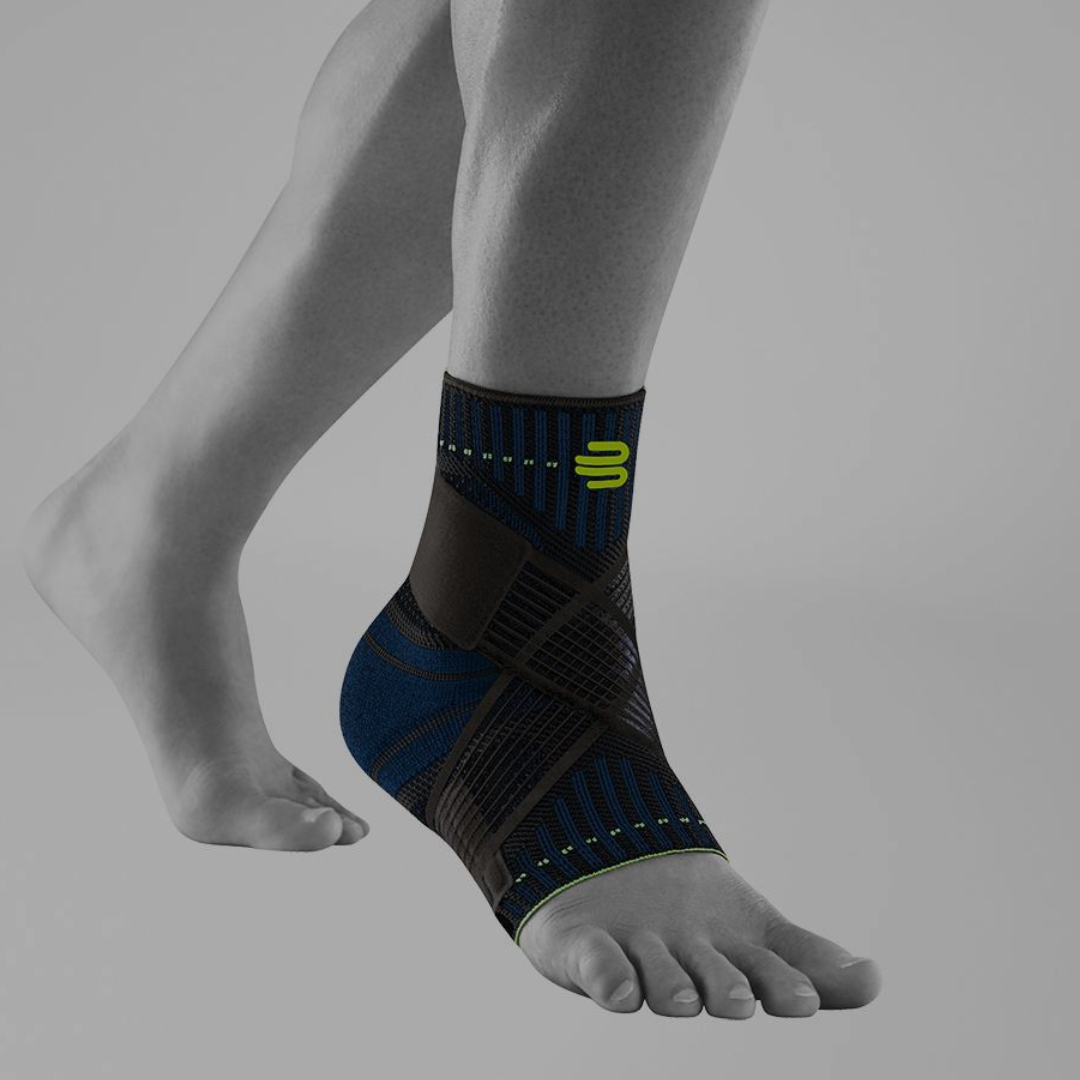
For players looking for reliable ankle support for soccer during training or competition, the Bauerfeind Sports Ankle Support Dynamic combines targeted compression with an anatomically designed figure-eight strap that helps stabilize the ankle while allowing natural movement.
Unlike bulky braces that may restrict mobility, it is designed to move with you, supporting confidence during every sprint, pivot, and tackle.
Support Your Knees Through Every Sprint and Change of Direction
The knee absorbs tremendous forces throughout a soccer match.
Accelerating, decelerating, jumping, landing, tackling, and striking the ball all place repeated stress on the joint. Over time, that repetitive loading can contribute to discomfort or overuse injuries, particularly during periods of heavy training.
Keeping your knees healthy starts with:
- Building strength in the quadriceps, hamstrings, and glutes.
- Improving hip and ankle mobility.
- Warming up properly before every session.
- Avoiding sudden increases in training volume.
- Prioritizing recovery after intense matches and workouts.
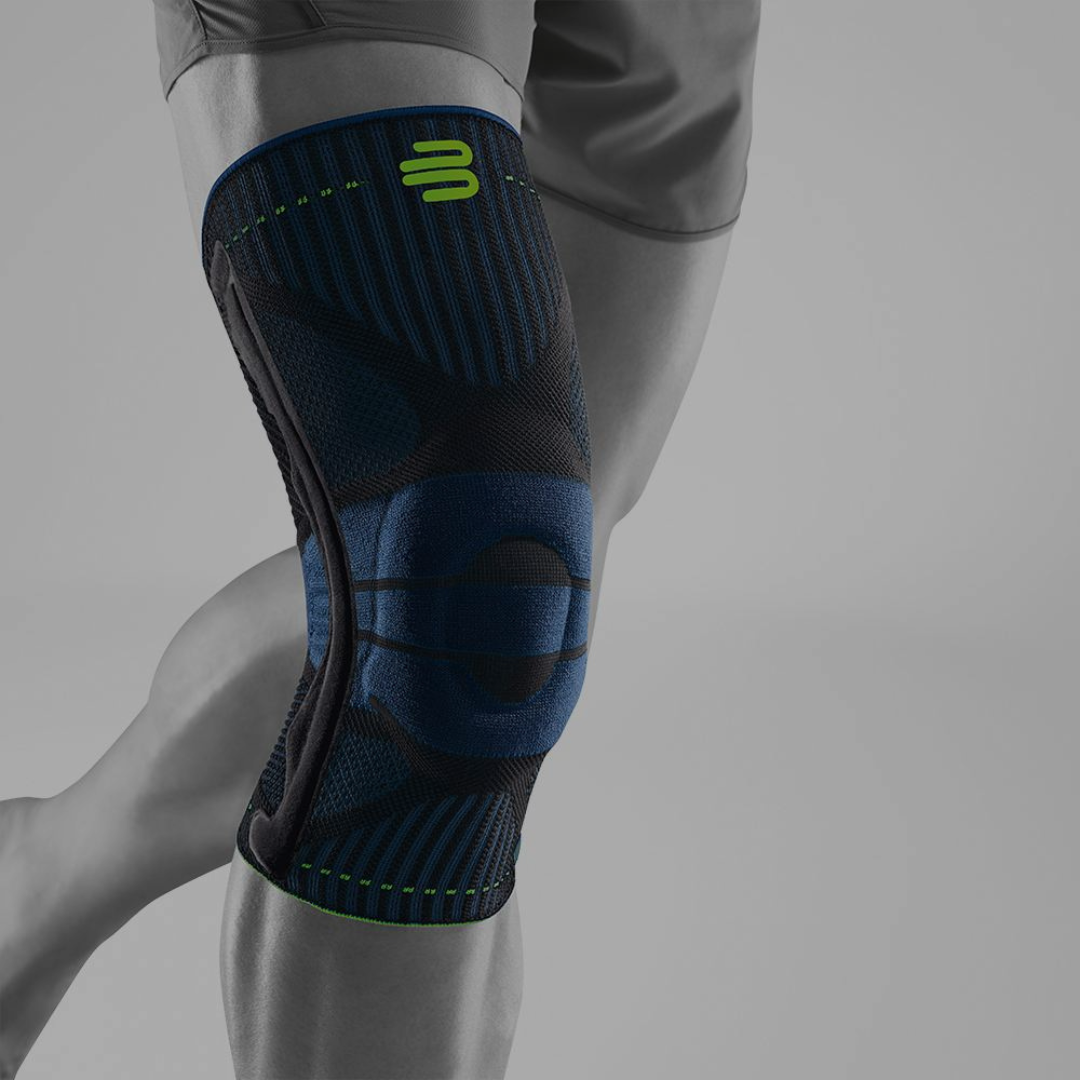
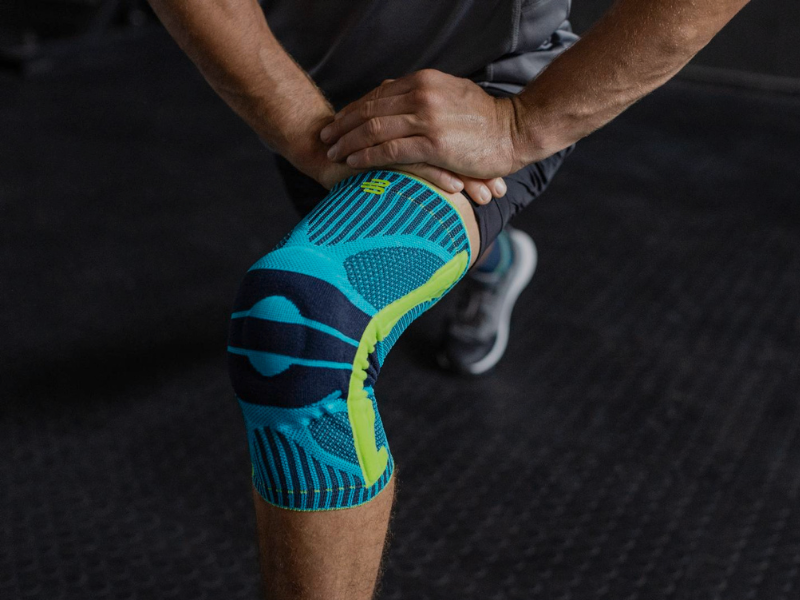
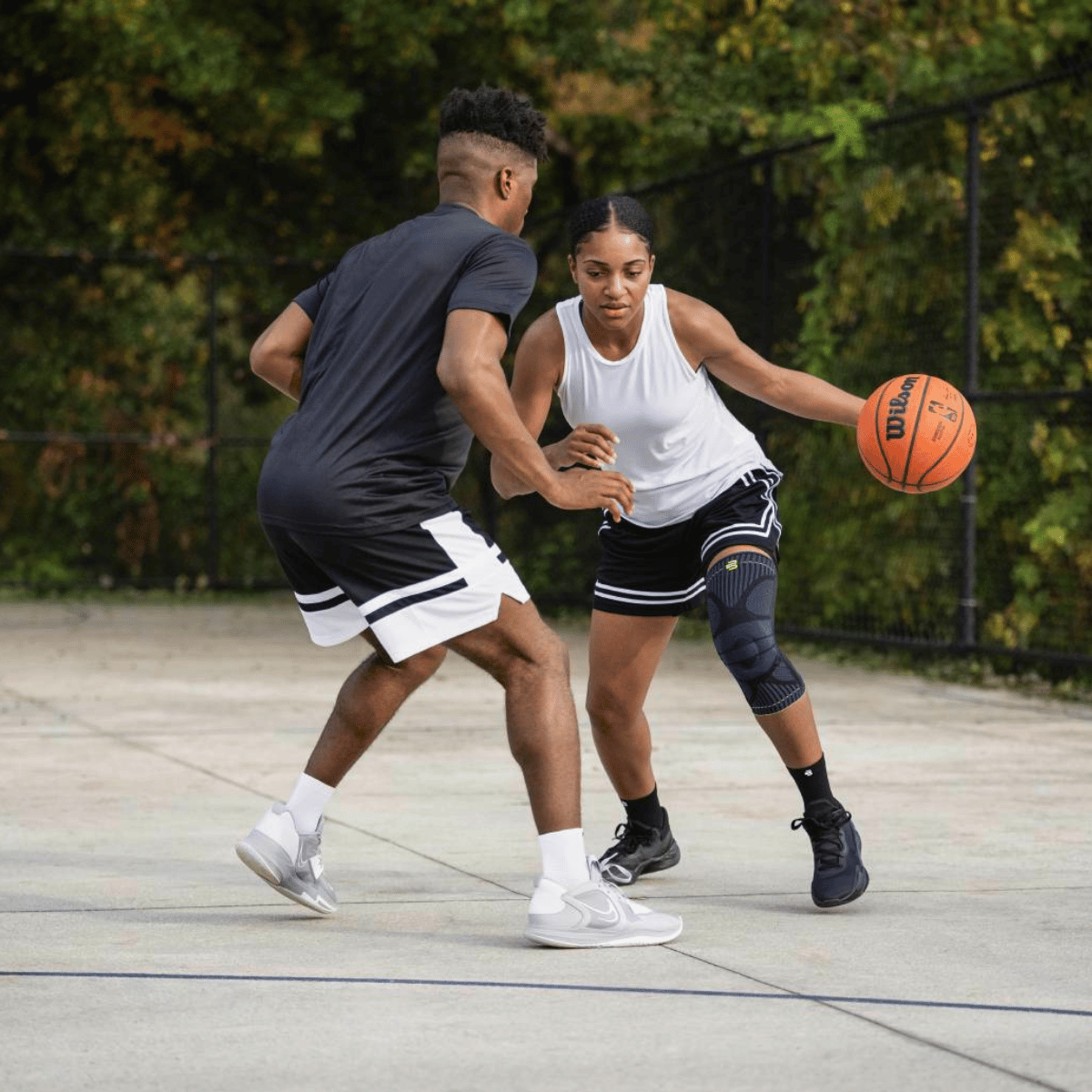
For athletes experiencing occasional knee discomfort or looking for reliable knee support for soccer, the Bauerfeind Sports Knee Support features an anatomically contoured knit and integrated patella pad to provide targeted compression and stability while allowing unrestricted movement on the field.
When you trust your movement, you can focus on the game, not your knees.
Small Habits That Help Prevent Injury
The best players don't rely on luck to stay healthy.
They build routines that prepare their bodies for the demands of soccer.
Simple habits can make a significant difference over the course of a season:
- Complete a dynamic warm-up before every training session and match.
- Include mobility work several times each week.
- Strength train at least two days per week.
- Replace worn-out footwear when support begins to decline.
- Prioritize sleep and hydration after competition.
- Listen to your body and address small aches before they become bigger problems.
Consistency in these habits often separates athletes who stay on the pitch from those who spend valuable time recovering from preventable injuries.
Five Common Mistakes That Slow Soccer Improvement
Many players train hard but unknowingly limit their progress.
Avoid these common mistakes:
1. Only Training With the Ball
Technical ability is essential, but speed, strength, and mobility all contribute to better on-field performance.
2. Ignoring Recovery
Recovery isn't a break from training. It's part of training.
Without adequate sleep, nutrition, and recovery, your body can't fully adapt to the work you're putting in.
3. Skipping the Warm-Up
A proper dynamic warm-up prepares muscles and joints for high-intensity movement while helping reduce injury risk.
4. Neglecting Your Foundation
Your feet, ankles, and knees work together with every movement.
Supporting these key areas helps improve stability, movement quality, and confidence on the field.
5. Trying to Improve Everything at Once
Focus on one or two areas during each training session.
Consistent, deliberate practice produces greater long-term improvement than trying to master every skill at the same time.
Sample Weekly Soccer Training Plan
If you're wondering what balanced soccer training looks like, here's an example of a weekly schedule that combines skill development, strength training, conditioning, and recovery.
| Day | Training Focus |
| Monday | Ball control, passing drills, light mobility |
| Tuesday | Lower-body strength training + sprint intervals |
| Wednesday | Tactical training, recovery walk or cycling, stretching |
| Thursday | Shooting, finishing, agility drills |
| Friday | Full-body strength, plyometrics, mobility work |
| Saturday | Match day or competitive scrimmage |
| Sunday | Active recovery, stretching, hydration, and recovery tools |
Remember that recovery isn't reserved for your day off.
Small habits, such as staying hydrated, sleeping well, stretching regularly, and supporting your muscles and joints after demanding sessions, help prepare your body for the next challenge.
Elite players don't simply recover after matches.
They recover every day, allowing them to train consistently and perform at a high level throughout the season.
Consistency Is Your Greatest Competitive Advantage
Improvement in soccer rarely comes from one perfect training session.
It comes from showing up again and again.
Each workout builds on the last. Every recovery session prepares you for the next. Every small decision, from warming up properly to supporting your feet, ankles, knees, and lower legs, helps you become a stronger, more resilient athlete.
The world's best players aren't perfect.
They're consistent.
And consistency is one of the greatest competitive advantages any soccer player can develop.
Frequently Asked Questions About Getting Better at Soccer
How can I get better at soccer fast?
The fastest way to improve at soccer is to combine purposeful technical training with strength development, conditioning, tactical awareness, and proper recovery. Rather than simply spending more hours on the field, focus on training with intention, recovering consistently, and improving one or two key skills each session.
How often should I train soccer?
Most recreational and competitive players benefit from 4–6 training sessions per week, depending on their age, experience, and competition schedule.
A balanced week should include:
- Technical skill development
- Strength training
- Speed and conditioning
- Mobility work
- Recovery sessions
- Match play or game-specific training
Remember that recovery days are just as valuable as training days. They allow your body to adapt and prepare for the next session.
Does strength training make you a better soccer player?
Yes.
Modern soccer requires athletes to be fast, powerful, and resilient. Strength training can improve acceleration, jumping ability, sprint speed, balance, and overall movement efficiency while also helping reduce the risk of injury.
Focus on functional movements such as squats, lunges, deadlifts, and core exercises that directly translate to the demands of the game.
What do professional soccer players do to recover?
Elite players treat recovery as part of their training program, not an afterthought.
Recovery strategies commonly include:
- 8–10 hours of quality sleep
- Proper hydration
- Recovery nutrition
- Mobility and flexibility work
- Active recovery sessions
- Compression garments
- Load management throughout the season
These habits help athletes recover more efficiently between demanding training sessions and matches.
Can compression sleeves help soccer players?
Compression sleeves may help support circulation, reduce muscle vibration, and improve body awareness during activity.
Bauerfeind Sports Compression Sleeves Lower Leg feature 20–30 mmHg medical-grade graduated compression, designed to support circulation while allowing complete freedom of movement during training, competition, and recovery.
For athletes who train frequently or compete in tournaments, incorporating graduated compression into a recovery routine may help maintain comfort between sessions.
Do insoles make a difference in soccer?
They can.
Your feet provide the foundation for every sprint, pass, tackle, and shot. Supportive sports insoles can help improve comfort while promoting more efficient foot mechanics, especially during long training sessions or congested match schedules.
Better foot alignment may also contribute to improved stability throughout the ankles, knees, and hips.
Train Smarter. Recover Better. Perform at Your Best.
Improving at soccer isn't about finding one secret drill or copying your favourite professional player.
It's about developing better habits.
Every accurate pass starts with quality practice.
Every explosive sprint begins with strength and efficient movement.
Every confident tackle depends on healthy joints and muscles.
And every great performance is built on the recovery that happens long before kickoff.
The players competing on soccer's biggest stage aren't simply more talented.
They're more consistent.
They understand that progress comes from stacking small improvements every single day, whether that's refining their first touch, building strength in the gym, supporting their recovery after training, or taking care of their bodies throughout a long season.
No matter your age or skill level, the same principle applies:
Train with purpose. Recover with intention. Stay consistent.
Those small improvements will compound over time, helping you become a faster, stronger, and more confident player.
Support Every Step of Your Game
At Bauerfeind Sports, we believe performance starts with movement, and movement starts with confidence.
Whether you're building speed, improving agility, recovering after training, or looking to reduce the physical demands of a long soccer season, the right support can help you stay focused on what matters most: playing your best.
Explore products designed to help support every phase of your performance journey:
- Sports Compression Sleeves Lower Leg – Medical-grade graduated compression to support circulation during training and recovery.
- Sports Knee Support – Targeted compression and patella support for confidence through every sprint, tackle, and change of direction.
- Sports Ankle Support Dynamic – Dynamic stabilization and targeted compression for quick cuts, pivots, and explosive movement.
- Sports Insoles – Weightflex® technology designed to support natural foot movement and comfort throughout training and match play.
Whether you're stepping onto the pitch for your first match or competing at the highest level, Bauerfeind Sports is committed to helping you move confidently, recover effectively, and perform at your best.
Explore our soccer gear collection and take the next step toward your strongest season yet.
References
- FIFA. Physical demands of elite soccer competition and player performance research.
- American College of Sports Medicine (ACSM). Exercise Recovery and Athletic Performance Position Stand.
- Hill J, et al. "Compression garments and recovery from exercise-induced muscle damage." Journal of Strength and Conditioning Research.
- Bauerfeind AG. Medical-grade compression and sports support technology.